
Oral health as you get older: how to look after your teeth and gums
Brushing well, cleaning between your teeth, recognising bleeding gums and understanding the Belgian dental care pathway: what Gezonde Mond, RIZIV-INAMI and the WHO advise.
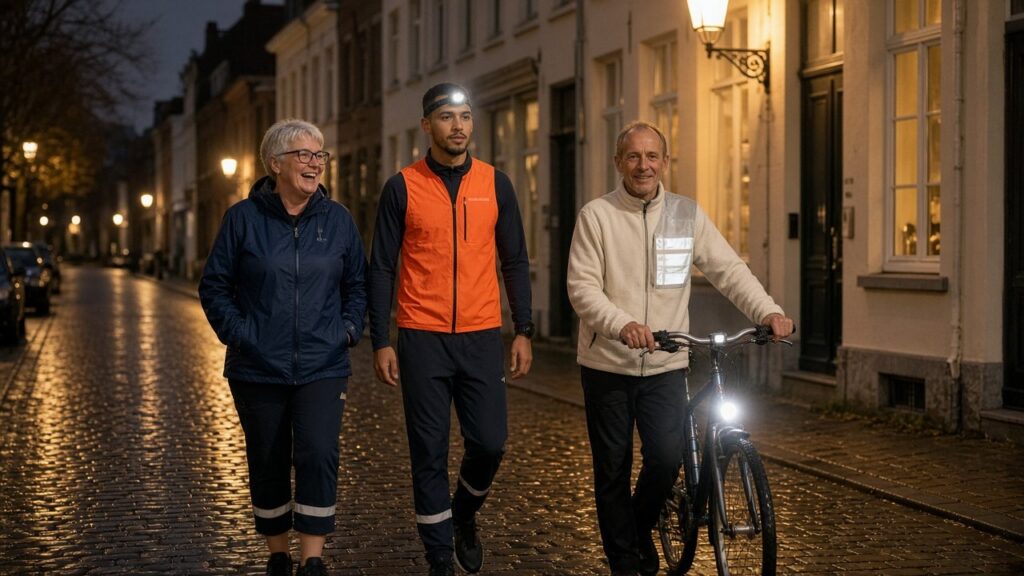 RoutinesVisible in the dark: why a driver only sees you at 20 metres in dark clothesAfter the switch to winter time, serious accidents involving pedestrians rise sharply in the evening rush hour. How to stay visible in the dark with reflectors and lights.
Knowing what works is easy. Actually doing it when your week blows up — that's the real job.
I collect small habits around movement, sleep and food that survive a packed calendar. Not heroic, just repeatable — and easy to pick back up after a messy week.
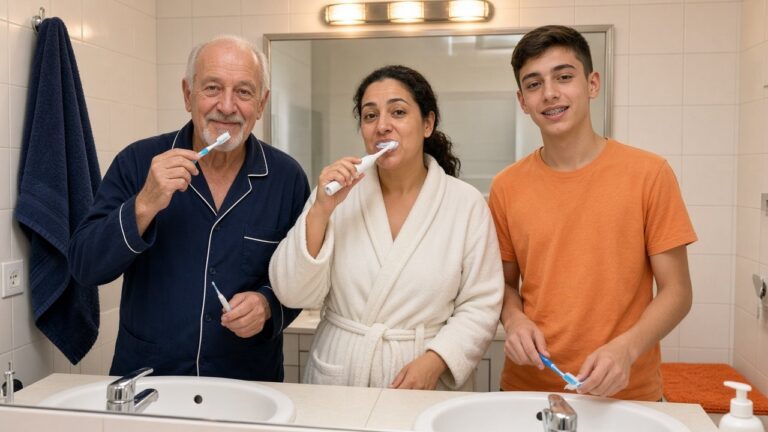
Brushing well, cleaning between your teeth, recognising bleeding gums and understanding the Belgian dental care pathway: what Gezonde Mond, RIZIV-INAMI and the WHO advise.
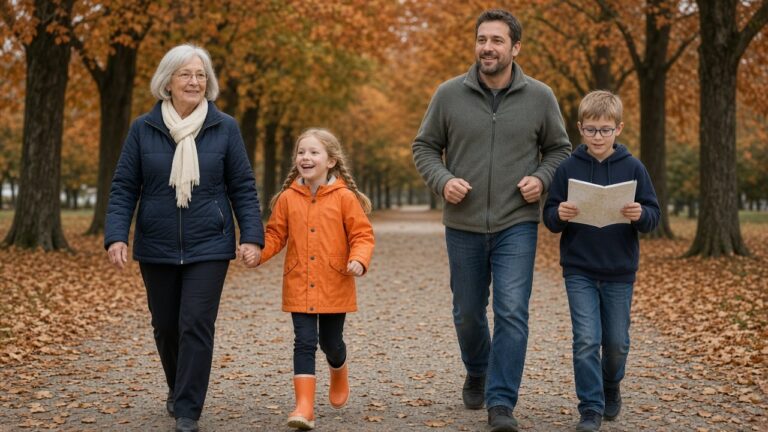
What the activity guideline for children asks, how many children meet it and how you can move along with them as a parent or grandparent during the autumn break, outdoors and in.
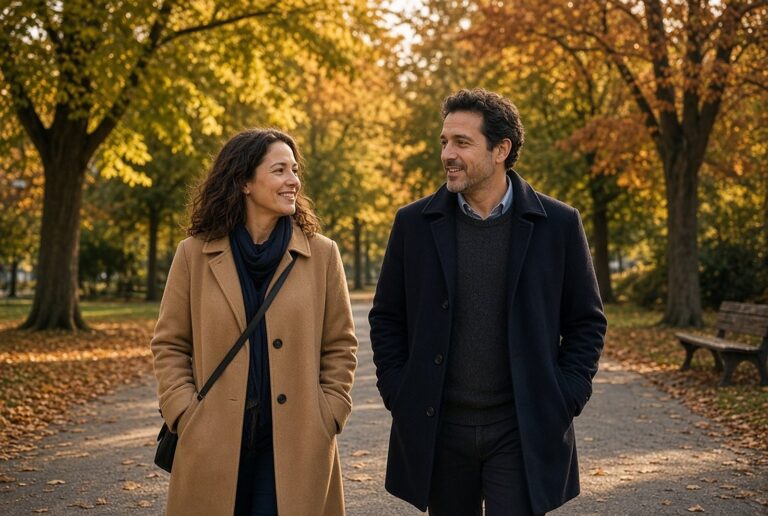
Social contact goes hand in hand with better health. What the WHO and a large meta-analysis say about loneliness, and why small regular habits do more than big plans.
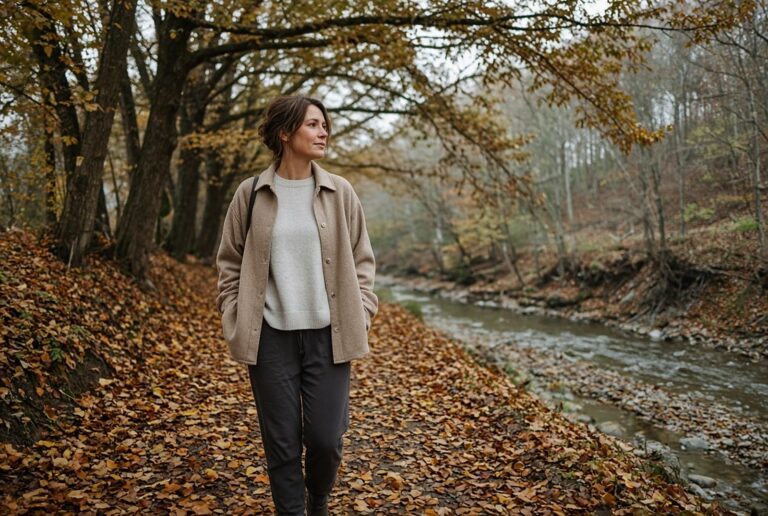
Even when it gets colder and darker, exercising outdoors pays off. What daylight does for your body clock, why vitamin D is a different story in winter and how to dress for it.
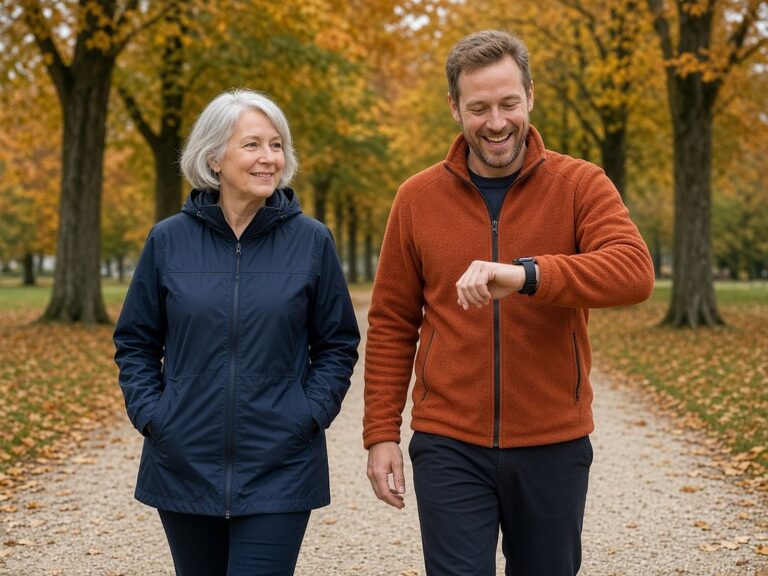
The goal of 10,000 steps a day started as marketing for a Japanese pedometer. What large studies now say about fewer steps, walking pace and breaking up sitting time.
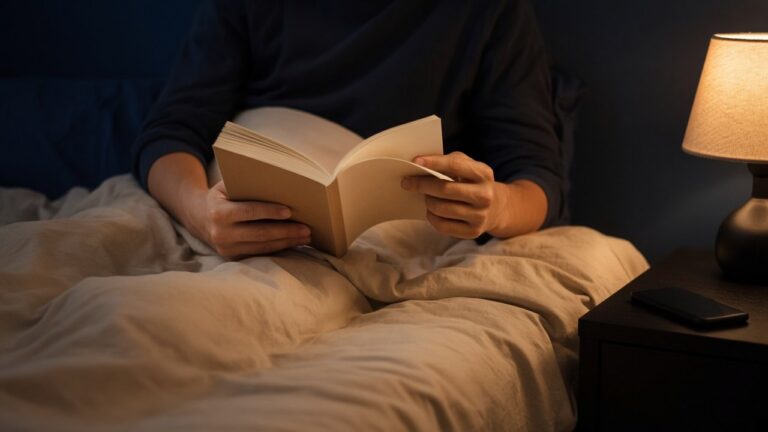
Swapping the last half-hour of scrolling for a book or warm e-reader: what I notice, what evening light does to melatonin, and why not everyone benefits.
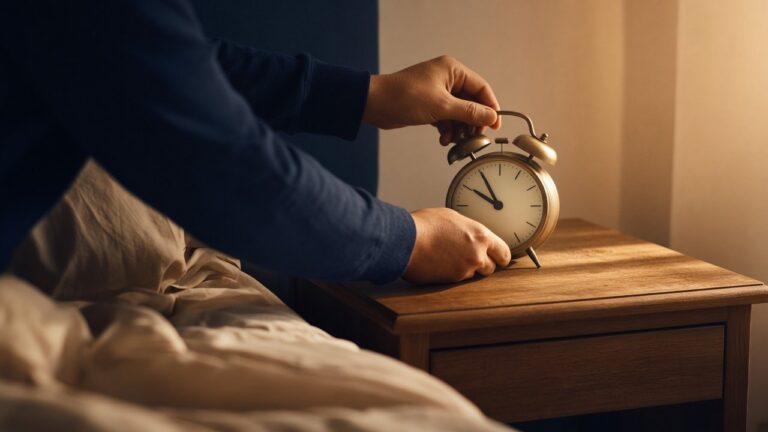
On Sunday 25 October the clocks go back an hour. An extra hour of sleep? Not always. What happens to your body clock and how I keep the transition smooth.

Short bursts of vigorous movement in your ordinary day, like taking the stairs at pace. What does the research say, and how do I build them in?
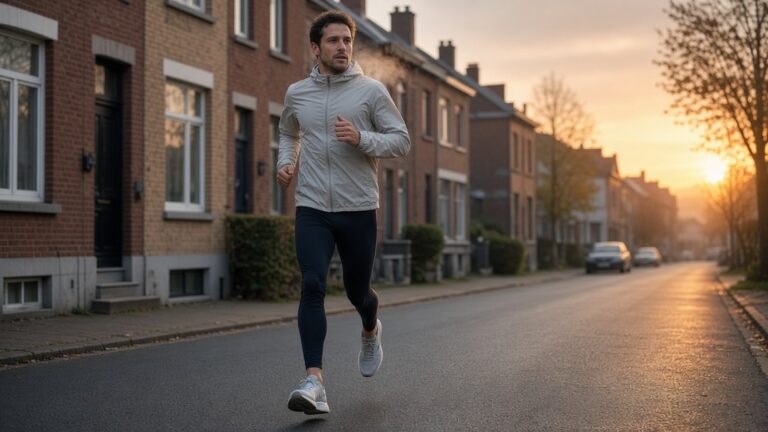
I have been doing 16:8 for a month. An easy morning run fasted is fine, but heavy intervals or strength I prefer after a meal. Here is how I handle it.
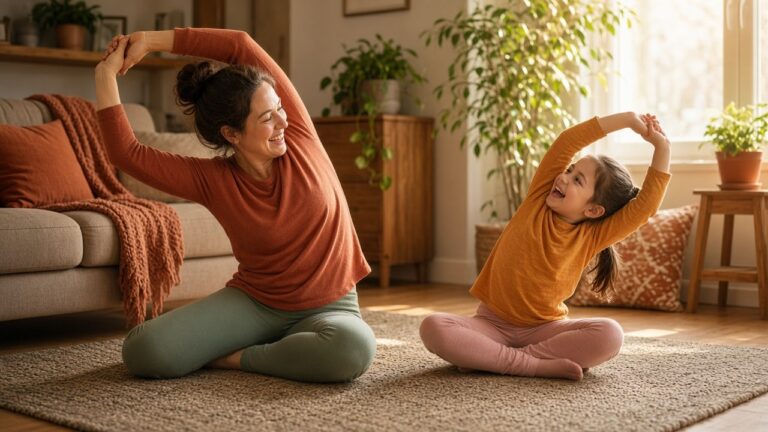
I do five minutes of movement before my phone opens — mobility or marching in place, not a gym workout. NEAT without drama.

I use cold water on my face as a quick morning nudge for alertness — not a cold-shower recovery story, just a short stimulus next to light and water.
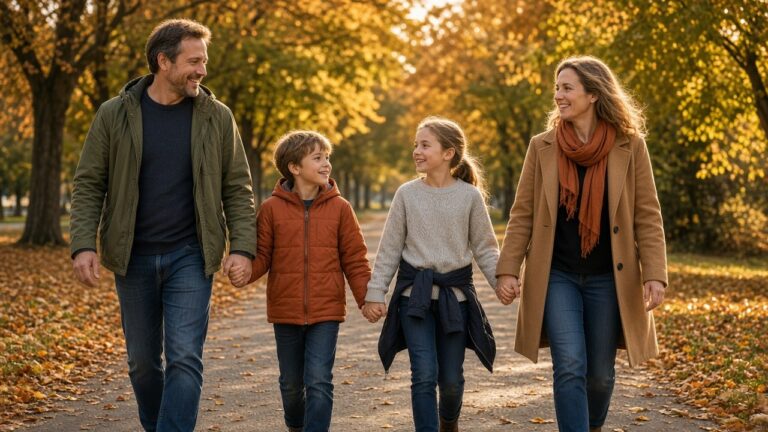
A rest day does not have to be a couch marathon. Light movement like walking feels better to me than sitting still all day — without turning it into a sneaky training day.