
Magnesium: when a supplement makes sense and when it does not
Magnesium is found in many everyday foods. How much you need according to EFSA, what research says about muscle cramps and where the upper limit for supplements lies.
 Supplement literacyVitamin C for colds: what a daily pill does and does not do for youDoes a daily vitamin C pill protect you from colds? What Cochrane and Gezondheid en Wetenschap show, and how to get vitamin C from your plate.
Before you buy, read the label — not the ad. I put claims, doses and brands side by side and tell you straight when the evidence is thin.
Sometimes a supplement makes sense. Often your plate simply wins.

Magnesium is found in many everyday foods. How much you need according to EFSA, what research says about muscle cramps and where the upper limit for supplements lies.

In a Belgian winter your skin makes almost no vitamin D. What a blood test tells you, how much EFSA considers adequate and where the safe upper limit lies.
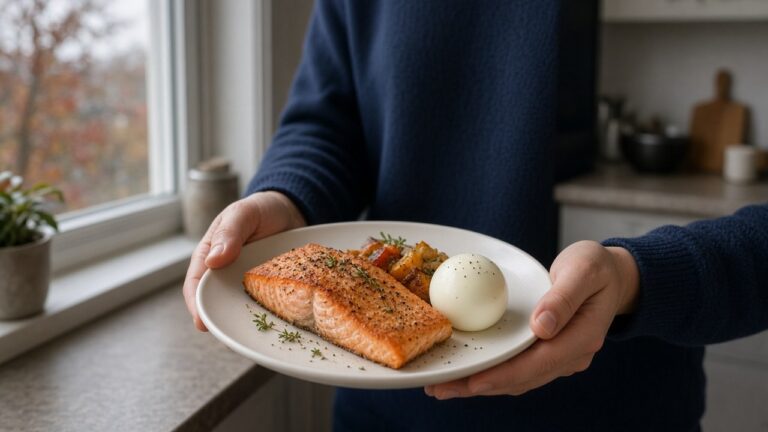
Less UV in October, often lower vitamin D status in winter. Literacy around Sciensano and the Superior Health Council — without a milligram prescription from a blog.

Keep creatine monohydrate boring: daily dose, food-first mindset, third-party tested — no TikTok loading.
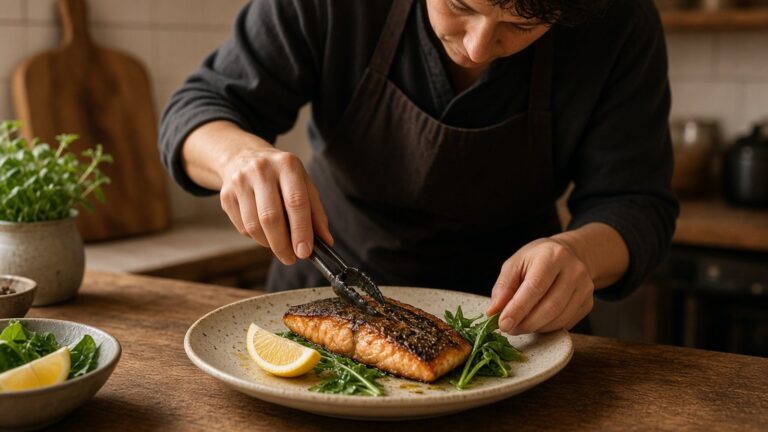
Omega-3 via fatty fish stays the base; capsules are a backstop at low intake. Quality and dosing without hype or medical promises.
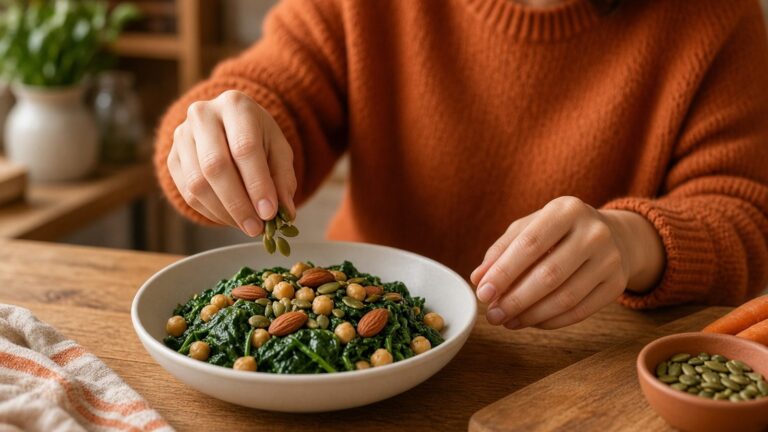
Magnesium and cramps: food first, supplements only with a real reason. Relativise TikTok claims without panic or guru dosing.

Melatonin and sleep blends rarely fix the cause. Caffeine, screens and rhythm first — a box only once the basics hold.

Contamination in fitness supplements is rare but real. When Informed-Sport/Cologne-style checks matter — and when food-first is enough.

Taking caffeine later in the day before a session means weighing a small performance gain against a shorter night. Here is what studies measure and why sensitivity differs from person to person.

Cherry shots aren’t a mandatory protocol. Food-first first; mega doses around every session can blunt adaptations. Consider them in heavy load or cold season.

Collagen is not a complete protein for hypertrophy. First total protein and leucine-rich food; collagen at most a niche for joints/skin, with limits.

Season and outdoor light first. Winter can make moderate D supplementation worthwhile; summer often covers enough with sun + food. No panic dose — Sciensano/EFSA frames.