Being active with children during the autumn break: how parents and grandparents can join in
General information, not medical advice. If you or your child has a health condition, check with your GP what is feasible.
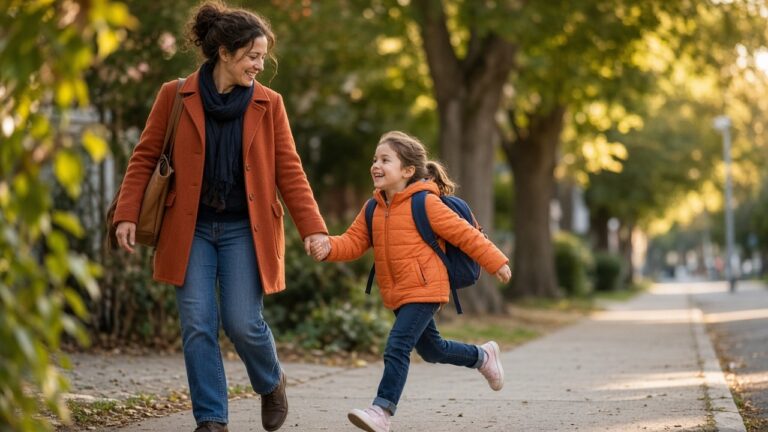
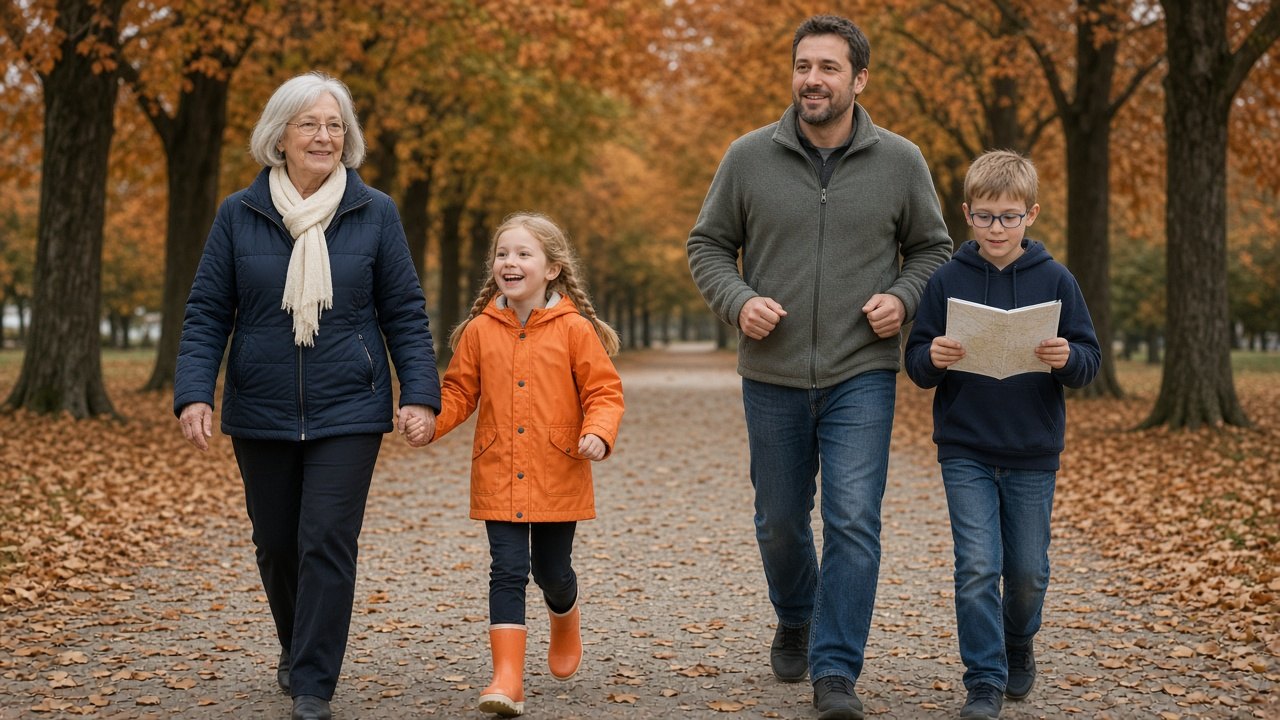
In Flanders, the autumn school break runs this year from Monday 2 to Sunday 8 November. That makes it a good week for being active with children, whether they are your own children or your grandchildren. Here is what the guidelines ask, how many children meet them and how you can join in yourself.
What the guidelines ask when being active with children
According to Gezond Leven, the Flemish health promotion institute, children and young people aged 6 to 17 should spend most of the day in light activity, for example playing, walking or helping with the washing-up. On top of that, they need on average around 60 minutes a day of moderate to vigorous activity, spread over the week. That is activity that makes your heart beat faster and your breathing quicker. On at least 3 days out of 7, this activity is vigorous and includes activities that strengthen muscles and bones, such as climbing and scrambling. Gezond Leven also advises limiting leisure screen time to 2 hours a day at most.
The 2020 guidelines of the World Health Organization (WHO) also arrive at an average of 60 minutes a day for children and adolescents, and repeat that some activity is better than none. Children do not need to do hard sport for this: being active every day and playing actively also count, according to Gezond Leven. The institute recommends a mix of jumping, climbing, running, catching and throwing, indoors and outdoors.
How many children meet the guideline?
Gezond Leven reports figures from the Belgian food consumption survey of 2022-2023, in which children wore an activity monitor. Only 36% of children aged 5 to 9 were active enough, and 18% of young people aged 10 to 17. Most children therefore do not meet the guideline, and a holiday week gives extra time to move together.
What you need yourself
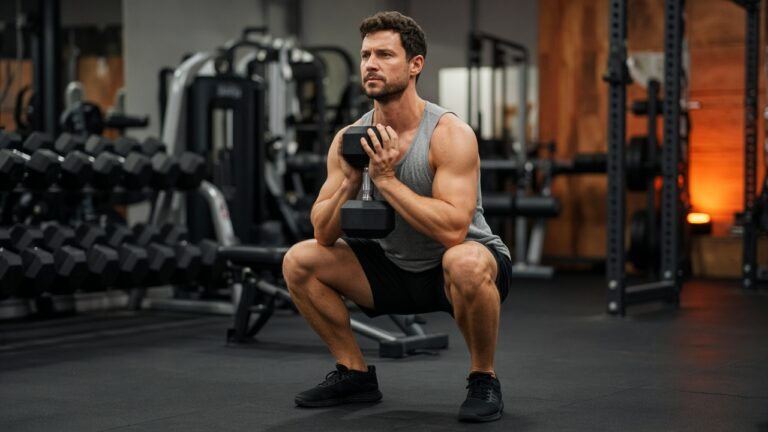
Moving together counts for you too. The WHO recommends that adults do 150–300 minutes of moderate or 75–150 minutes of vigorous activity a week, plus muscle-strengthening activities on at least 2 days. It also asks you to limit time spent sitting and replace it with activity of any intensity. In an ordinary working week, short breaks can help you spend less time sitting.
For people over 65, Gezond Leven recommends at least 150 to 300 minutes a week of moderate activity, or 75 to 150 minutes of vigorous activity. On top of that, activities that strengthen your muscles or train your balance or flexibility are recommended 3 times a week, because they reduce the risk of falls and increase your independence. An afternoon of walking, playing or dancing with the grandchildren can easily fit into that for grandparents.
Ideas for the autumn break, outdoors and indoors
Gezond Leven gives examples that need little preparation: going out on foot or by bike, heading to a playground, walking the dog, recreational swimming with the family or helping out together in the house and garden. A long walk at the weekend fits in well, as does exercising outdoors in autumn in general, and every step counts towards your steps a day. According to Gezond Leven, adventurous play is not only fun but also good for children’s development, so let them climb and explore.
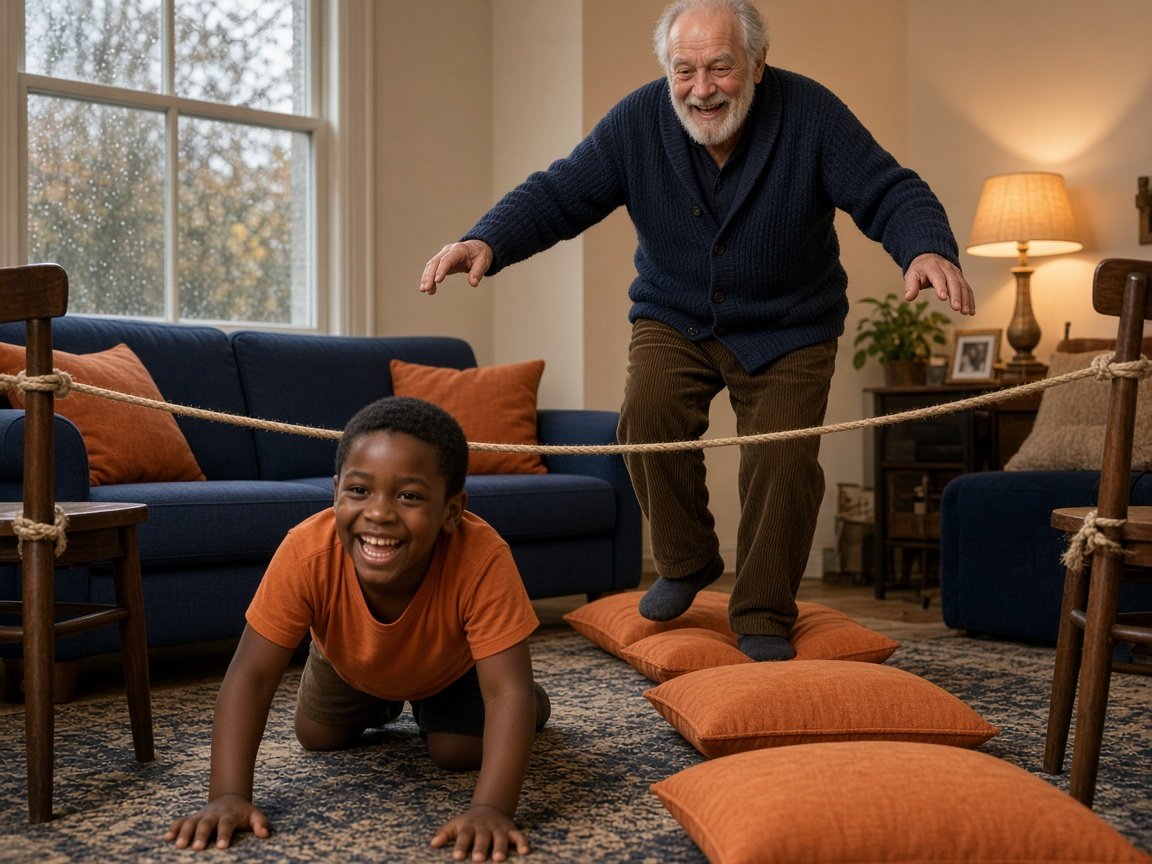
In a news item with activity ideas for the autumn break, Gezond Leven suggests, among other things, a scavenger hunt with tasks around the neighbourhood or the park. When it rains, you can set up an indoor course where children crawl under ropes and jump over cushions, or dance together to music. Gezond Leven calls such a course ideal for children and adults alike, so you move along with them instead of watching.
If you prefer something organised, Sport Vlaanderen (the Flemish sports agency), Sporta and most health insurance funds run sports camps during the holidays. In most clubs, your child can also take one or more trial lessons. Up to the age of 8, basic skills and a broad range of activities matter more than choosing one sport straight away, according to Gezond Leven.
Start small and build up gradually, as Gezond Leven advises: first more often, then for longer and only then more intensely. A scavenger hunt in the park or a little dance in the living room is already a start, for child and adult alike.
References
- Flemish Government. Schoolvakanties (in Dutch). Vlaanderen.be, accessed October 2026.
- Gezond Leven. Hoeveel bewegen kinderen en jongeren best? En wat met stilzitten? (in Dutch). Flemish institute Gezond Leven, accessed October 2026.
- Gezond Leven. Hoe stimuleer je kinderen en jongeren om te bewegen en minder lang stil te zitten? (in Dutch). Flemish institute Gezond Leven, accessed October 2026.
- Gezond Leven. Varieer waar je beweegt en minder zit (in Dutch). Flemish institute Gezond Leven, accessed October 2026.
- Gezond Leven. Beweegt de Vlaming genoeg? (in Dutch). Flemish institute Gezond Leven, accessed October 2026.
- Gezond Leven. Hoeveel beweeg je best als 65-plusser? En wat met stilzitten? (in Dutch). Flemish institute Gezond Leven, accessed October 2026.
- Gezond Leven. Van monsterdans tot pompoensquat: 7 beweegtips voor een actieve Halloween (in Dutch). News item, 24 October 2025.
- Bull FC, Al-Ansari SS, Biddle S et al.. World Health Organization 2020 guidelines on physical activity and sedentary behaviour. British Journal of Sports Medicine. 2020;54(24):1451-1462.