5 questions before you buy a longevity supplement
Disclaimer: Not medical advice and not a product recommendation. Supplements can interact and overdose. With complaints, deficiencies or medication: doctor, dietitian or pharmacist. Educational piece.
TLDR
- Longevity marketing often sells “more years” where lifestyle (sleep, training, nutrition) does the heavy lifting.
- Five questions before purchase: problem, evidence, dose/label, timing vs food, stop rule.
- Yes: being able to read a label (supplement label). No: influencer evidence as authority.
- HLN context (incl. leucine hype, recovery shots, sports-doctor nuance): shortcuts exist; basics first.
If you scroll “anti-aging,” leucine or a shot “like the riders,” doubt is logical. Sports doctor Tom Teulingkx (HLN) once half-seriously called recovery shots the Bacardi Breezer of the supplement world: handy theatre next to real recovery need. HLN dietitian Sanne Mouha relativises leucine supplements: via varied protein-rich eating you usually hit the threshold without a jar. As a practitioner I translate that into one rule: buy only when five questions give green light.
Not everyone benefits. And “longevity” on a label is not a clinical promise.
1. Which concrete problem am I solving?
“I want to live longer” is too vague. Better: winter vitamin D after a blood value, creatine because I strength-train and know the evidence, or simply more legumes instead of an amino stack. No problem, no purchase. See also longevity myths.
2. What does independent evidence say — not the reel?
Strong evidence (e.g. creatine in sport context) ≠ every “longevity” powder. Weak or context-bound evidence: magnesium on a normal diet, leucine as a standalone supplement, chronic high-dose antioxidants. Sports doctor Ruben De Gendt (UZ Gent, HLN frame): useful only in the right circumstances. Look for reviews (EFSA claims, ISSN where relevant) and refuse “doctors massively recommend” without a source.
3. Are dose and form honest on the label?
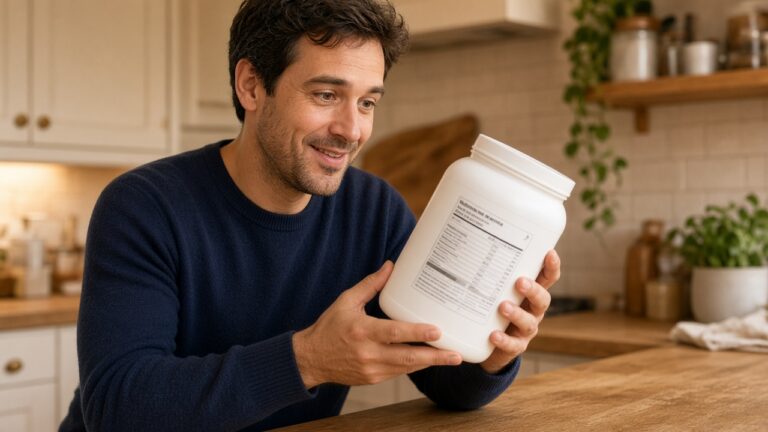
% RI, elemental magnesium vs salt form, caffeine per scoop, stacking B6 — that is literacy, not nerdiness. Overdosing is not a virtue. Read how to read a supplement label before you build a “stack.”
When yes / when not
- Yes consider: proven deficiency, clear sport context with solid evidence, food tried first.
- No: disease claims on Instagram, “detox longevity,” combining five products “to be sure.”
4. Can food or routine do this cheaper/safer?
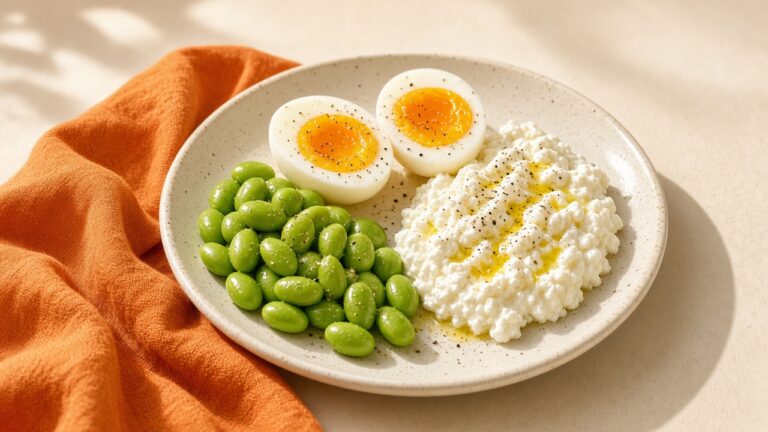
Protein via meals (protein needs, plant-based), sleep, strength + zone 2, steps: those are healthspan levers (5 levers). A shot after padel replaces neither dinner nor bedtime.
5. What is my stop rule?
No effect after a pre-chosen period, side effects, or “I take it out of habit”: stop or review with a professional. Pharmacologist Geert Vergote (HLN on magnesium): do not see it as a wonder cure; stop if there is no improvement. Same mindset for longevity jars.
Recommendations in bullets
- Write the five answers before checkout.
- One change at a time — otherwise you do not know what works.
- No SKU hunt in this piece: literacy > shopping cart.
- YMYL: when in doubt doctor/dietitian, not an algorithm.
Sources (selection)
- HLN — Ruben De Gendt (UZ Gent) on sports supplements in context; Sanne Mouha on leucine via food; Tom Teulingkx on recovery-shortcut framing; Geert Vergote on magnesium claims.
- EFSA / EU health claims frame — what may/may not be claimed (no disease).
- ISSN — position stands where relevant (creatine etc.), always frame for recreational athlete + EU label.
- Sciensano / Gezond Leven — food and prevention in context instead of supplement-first.