Active rest day: walking or sitting still? What I choose
TLDR
- Sitting completely still on a rest day often leaves me stiffer and slower than light movement.
- Active rest = walking, easy cycling, light mobility — not “sneaky HIIT.”
- Goal: blood flow, appetite for tomorrow, clear head; not “making up” calories.
- Pair with rest day or deload, evening walk after eating and sit breaks.
On rest days I used to have two modes: either I acted like I had an injury and barely moved, or I “walked a bit” and came back at a pace like a zone-2 session (zone 2 is an easy endurance pace at which you can still talk comfortably). Neither helped. What works: clearly label the day as rest, and still build in a low-threshold bit of movement — especially walking.
Sitting still is not automatically recovery
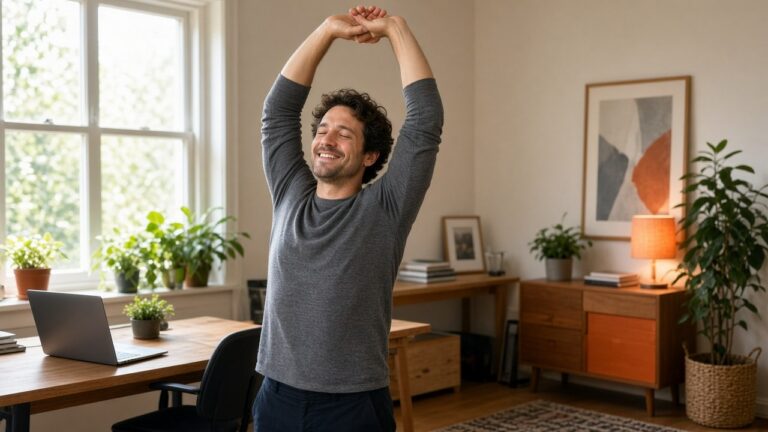
Recovery happens mainly through sleep, food and leaving out heavy stimuli — not through hours sinking into the same posture. Long stillness can feel stiff and pull mood down, especially if you already sit a lot on weekdays. That is why short sit breaks and a rest-day walk fit the same story: NEAT up without training stress.
What “active” is and is not
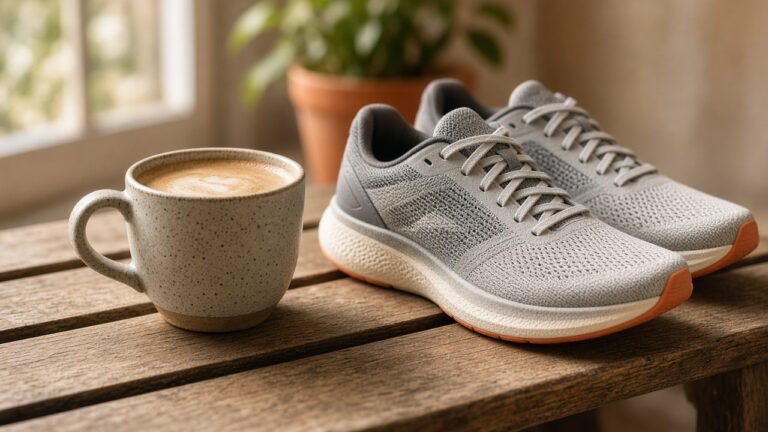
- Yes: 20–60 min walking at conversation pace, easy cycling, light stretch/mobility.
- No: chasing Strava segments, “rest-day legs” in the gym, or a second heavy core circuit.
- Doubt? If breathing gets hard or your RPE creeps toward real training, it is no longer rest.
Walking as default
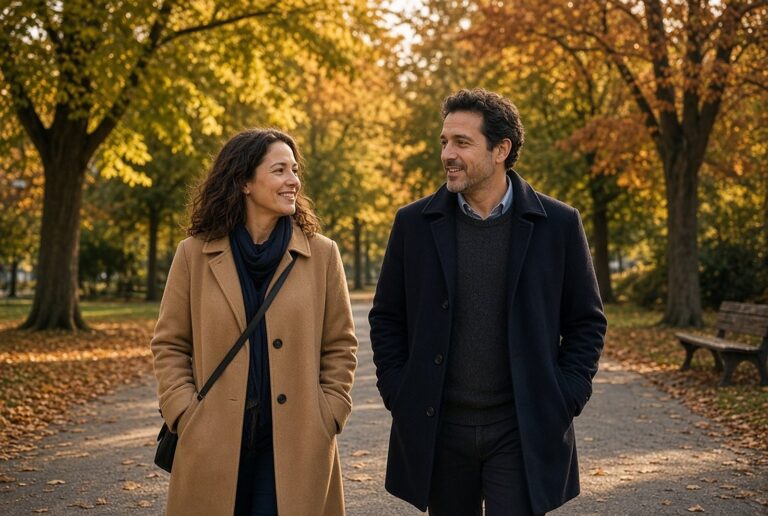
Walking is boring — and that is exactly the strength. No gear, no ego, but outdoor light and a rhythm. In the evening after eating I have often used that as a tool (evening walk after eating); on a full rest day it can also be daytime. If you hesitate between a complete off-day and a planned deload week, there is more frame in rest day or deload — today is only about: may I move without guilt?
Yes. Preferably yes. As long as it stays light.
Practical Engy tip
Put one block on every rest day in your calendar: “45 min walk, phone in pocket, no pace goal.” Done. No step-goal obsession; just an appointment with yourself so “rest” does not automatically become “couch until midnight.”
Recommendations in bullets
- Light movement > total stillness for how I feel on rest days.
- Walking = default; keep intensity deliberately low.
- Do not disguise a sneaky training day as recovery.
- Crosslinks: rest/deload, evening walk, desk-NEAT.
Sources (selection)
- Practical active-recovery guidelines: low intensity, subjective recovery, blood flow.
- NEAT/sitting research: prolonged sitting vs light activity and how you feel/move.
- Engy: rustdag-of-deload, avondwandeling-na-eten, desk-neat-zitpauzes.