
Cold showers: alertness versus recovery hype (without a Wim Hof stack)
Cold water can make you alert — that is not the same as recovering faster after strength training. What I do and do not do with a cold shower.
Knowing what works is easy. Actually doing it when your week blows up — that's the real job.
I collect small habits around movement, sleep and food that survive a packed calendar. Not heroic, just repeatable — and easy to pick back up after a messy week.
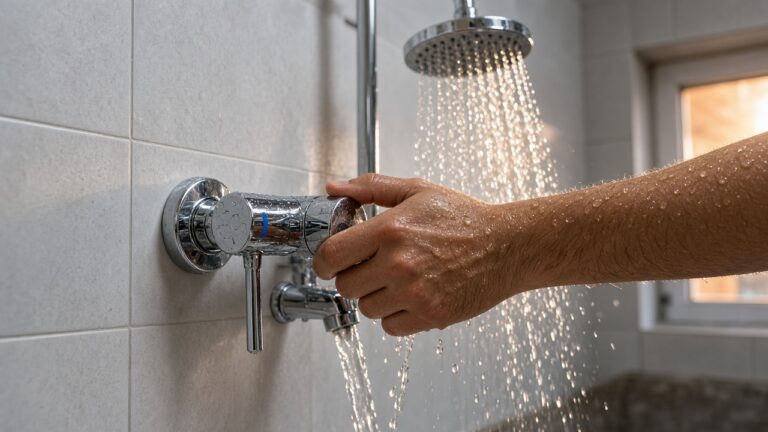
Cold water can make you alert — that is not the same as recovering faster after strength training. What I do and do not do with a cold shower.

Morning light shifts your body clock earlier, evening light shifts it later. Read what studies find on daylight and sleep, why there is no fixed number of minutes and how to link daylight to what you already do.
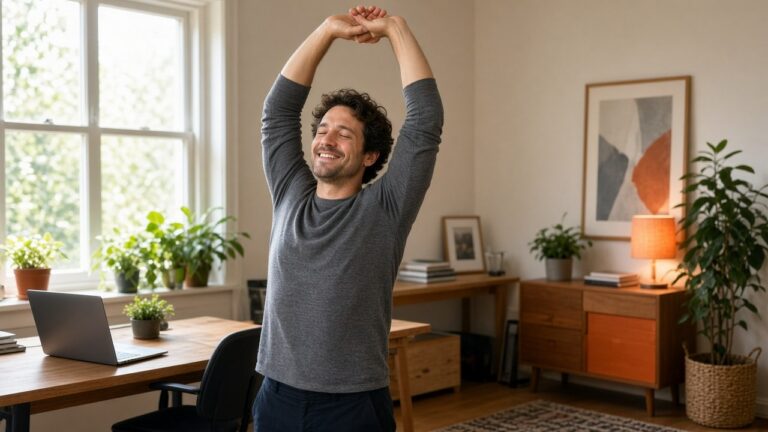
Five hours still and a hard session at night? Sitting breaks and micro-movement as a quiet lever beside your step counter.

Twelve hours eating, twelve hours not — as a rhythm for sleep and regularity, not as an extreme fasting identity.

Chronic stress robs sleep and training quality. Recovery moments, walking and training as support — no punishment and no weight-loss claims.
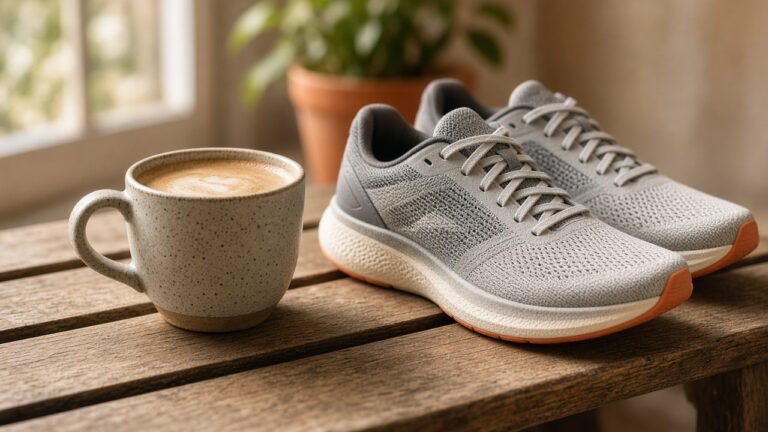
Caffeine can help pace and focus, but late doses eat into recovery. EFSA limits, timing and a normal work week — without energy-drink hype.
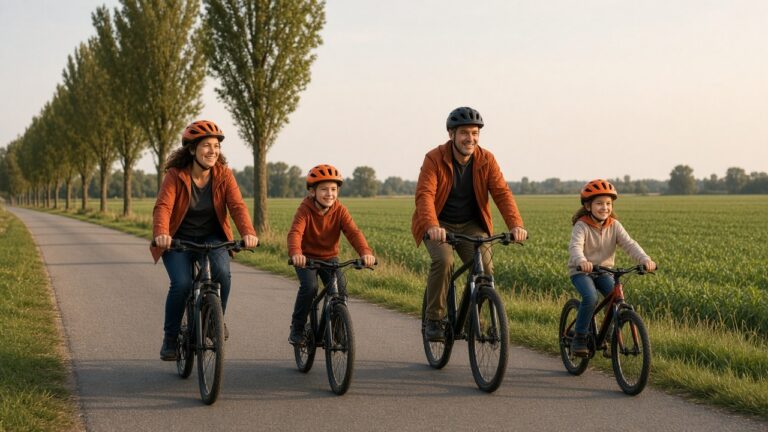
A minimal health week keeps strength, easy endurance, sleep and a simple eating pattern in place, even in a packed week. You get a worked example for the WHO minutes and read what research says about the minimum.

The post-lunch dip is partly circadian — habits first: light, a walk, the meal, caffeine cutoff and sleep debt. Coffee is context, not the only fix.

Do you really need 10,000? What large studies say about steps, ordinary movement and training, and how to move a little more in an ordinary week.