
Evening meals and sleep: when a cut-off helps (and when to relativise)
Late meals can hit recovery — but not every late bite is wrong. Cut-off vs relativising after training, shift work or real hunger.
Eating around training doesn't have to be a religion. I dig into how much protein you really need, when plain water is enough and what you'd better skip on race day.
Better a plate you enjoy and stick with than a protocol that collapses after two weeks.

Late meals can hit recovery — but not every late bite is wrong. Cut-off vs relativising after training, shift work or real hunger.

After fifty, slightly larger, spread-out protein portions plus strength training help keep muscle. Food-first and leucine first; powder stays optional.

One workout doesn’t wipe a week of ultraprocessed food. Energy balance plays out over days; treats fit without shame if the week’s menu holds — movement isn’t a fine.
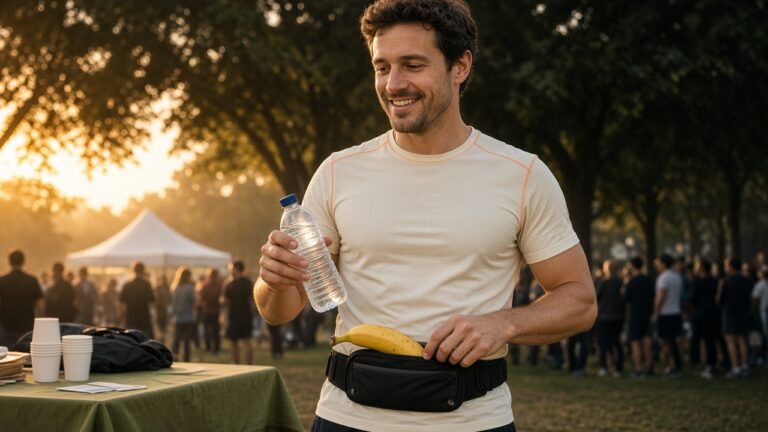
Race day for amateurs: familiar carbs, light stomach, nothing new to test. Gels only if practised; afterwards fluids + a normal meal beat panic protocols.

Chocolate milk is carbs + protein, not magic. Handy after long endurance or a late meal; often unnecessary if food follows soon. Context over routine hype.

Gels belong with long endurance efforts, not every gym session. Under ~75 min a meal or banana often wins. Test gut comfort, ignore neon marketing.

A recovery shake is handy when no meal is in sight. No magical anabolic window: ~2 hours is practical enough; food-first wins when you can eat.

The 20 g cap is too simple. MPS often responds to ~20–40 g per meal; a surplus does not ‘automatically turn into fat’. Distribution and daily total matter more.
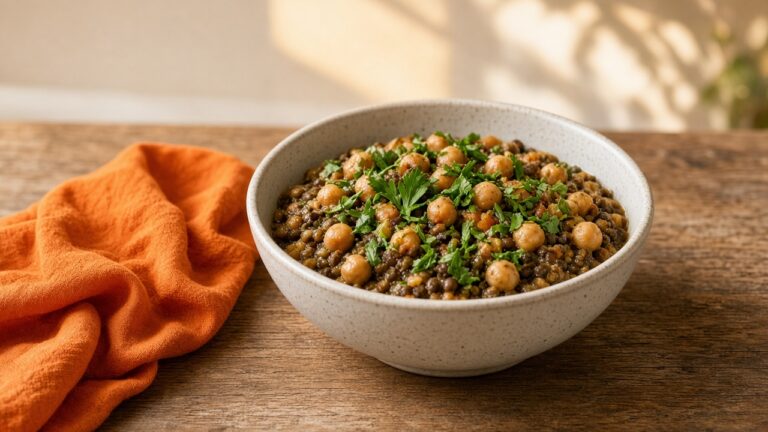
Eating more legumes can cause wind at first. Read what Belgian and Dutch guidelines advise, and how to let your gut adjust gradually.
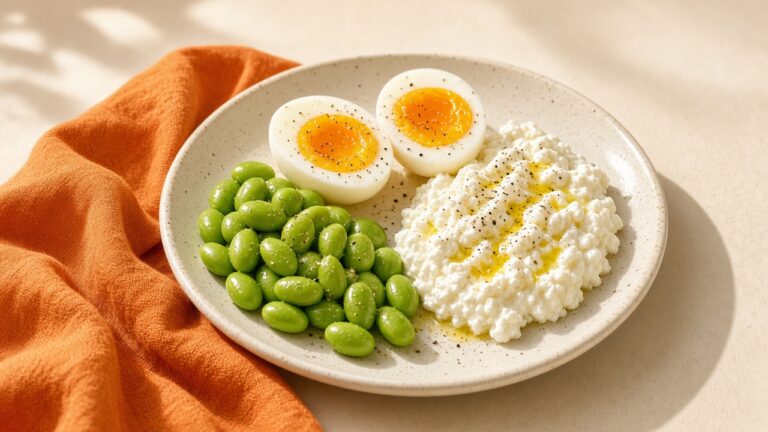
Leucine matters for muscle protein synthesis, but it already sits in normal protein-rich meals (~25–30 g protein). For most recreational athletes, separate leucine powder is unnecessary.

The green Mediterranean diet was tested mainly in men with overweight, not in athletes. Read where the stories about ten extra years come from and what you can apply in Belgium.
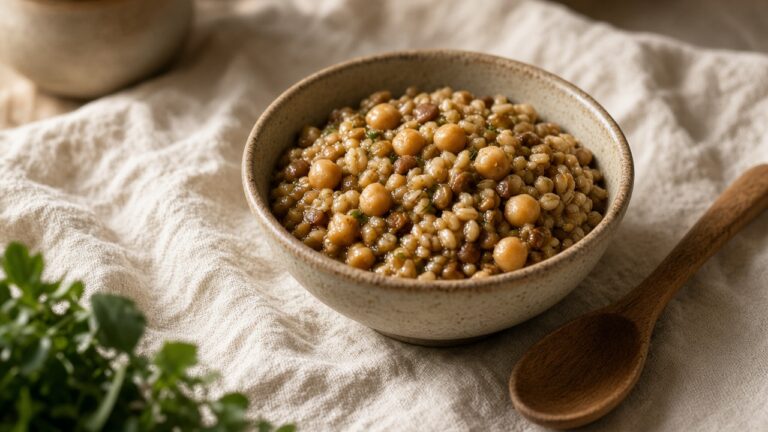
Legumes and plant protein can carry athletes — if total intake, leucine and timing line up. Food-guide framing without anti-meat hype or shake pitches.