
Frozen vegetables: as nutritious as fresh?
That bag of frozen spinach or peas need not come with guilt. Frozen vegetables are often as nutritious as fresh, sometimes even more so. How I get the most out of them.
Eating around training doesn't have to be a religion. I dig into how much protein you really need, when plain water is enough and what you'd better skip on race day.
Better a plate you enjoy and stick with than a protocol that collapses after two weeks.

That bag of frozen spinach or peas need not come with guilt. Frozen vegetables are often as nutritious as fresh, sometimes even more so. How I get the most out of them.

I have been doing 16:8 for a month. An easy morning run fasted is fine, but heavy intervals or strength I prefer after a meal. Here is how I handle it.

In an active week I keep fermented food simple: yoghurt, kefir or sauerkraut as a fixed portion — not a cleanse, a routine next to training.

In the morning I aim for 25–40 g protein — yoghurt, eggs or a sober scoop — so my day does not tip toward “everything in the evening.”

After long, heavy-sweat sessions, some salt in food or broth can help — not a daily mega-salt cure. Food-first, next to water and electrolytes literacy.

Beetroot juice can provide nitrates that support endurance in some people — I see it as a food experiment, not a capsule myth, next to zone 2 and electrolytes.

One mega-shake does not fix everything. I prefer spreading protein across meals — not from obsession, but because it makes eating and recovery easier.
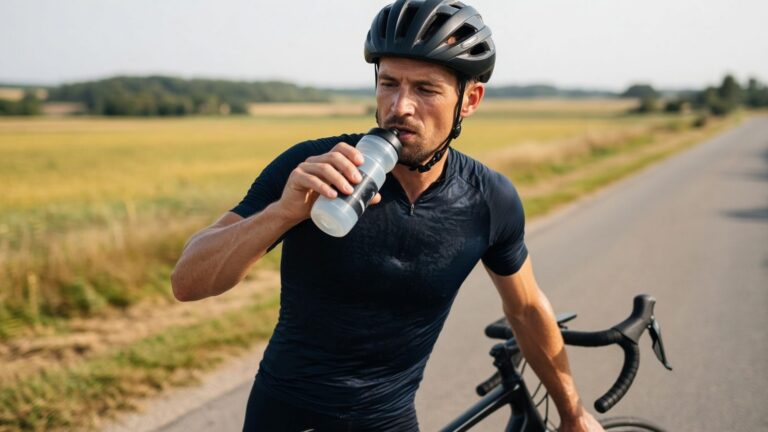
Water is often enough up to ±60–90 min. Electrolytes for long/hot heavy-sweat sessions — without sports-drink hype.

First a glass of water, then coffee: a simple morning lever — without demonising caffeine or dehydration myths.

Salami after the run is fine — but daily processed meat is another story. Dose- and frequency framing for active people.

Reference-style base for active weeks: whole grains and legumes via simple swaps — with room for faster carbs after hard training.

Twelve hours eating, twelve hours not — as a rhythm for sleep and regularity, not as an extreme fasting identity.