
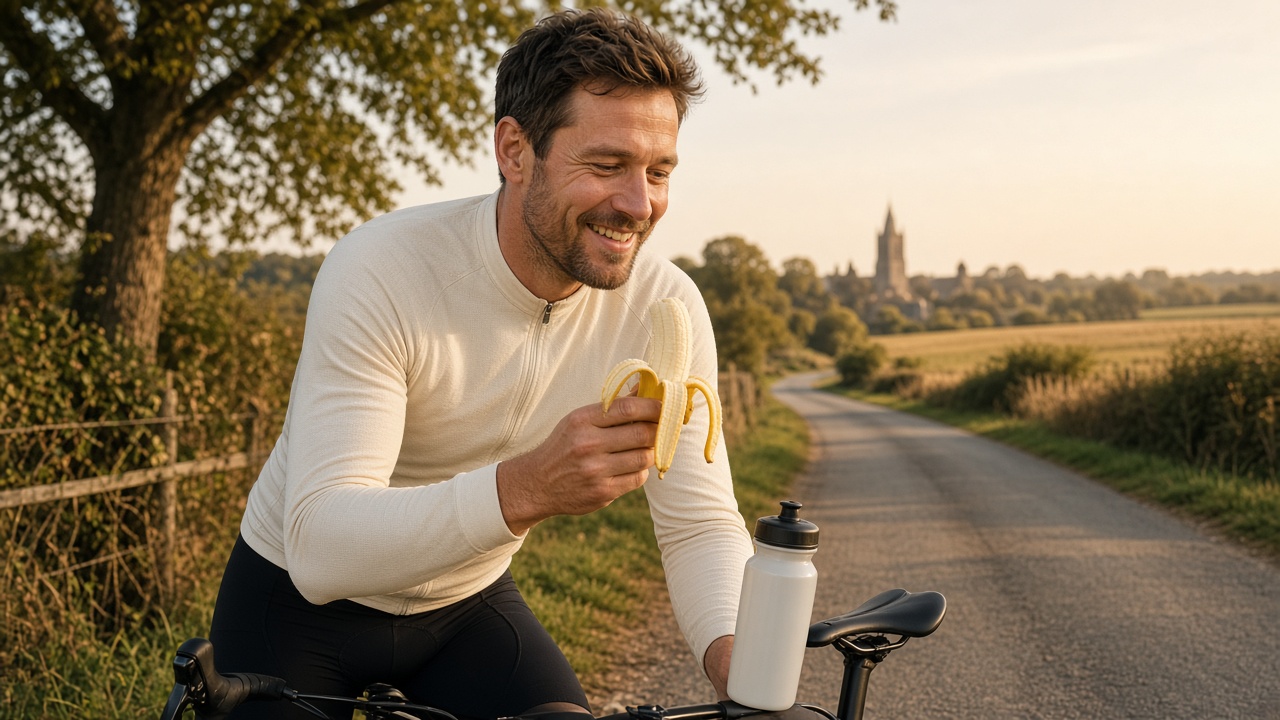
Sports gels and bars: when they help on long efforts — and when a banana wins
TLDR
- Sports gels and bars are handy on long endurance efforts — not a default snack for every gym or 10 km jog.
- Under ~60–75 min moderate intensity, a banana, sandwich or ordinary meal timing often wins.
- Look at carbs per hour and gut comfort, not neon packaging or “race fuel” marketing.
- See eating around training and recovery shake vs meal.
On ride photos amateurs stick gels as if every Sunday ride were a Tour stage. De Morgen-style pieces with sports experts (Derave/UGent context) rightly push: food first for recreational athletes. As a practitioner I do take a gel on a long hot ride — and after a strength hour I simply eat a meal. Relativise: gels do not fix bad pacing or too little food the day before.
When food is enough
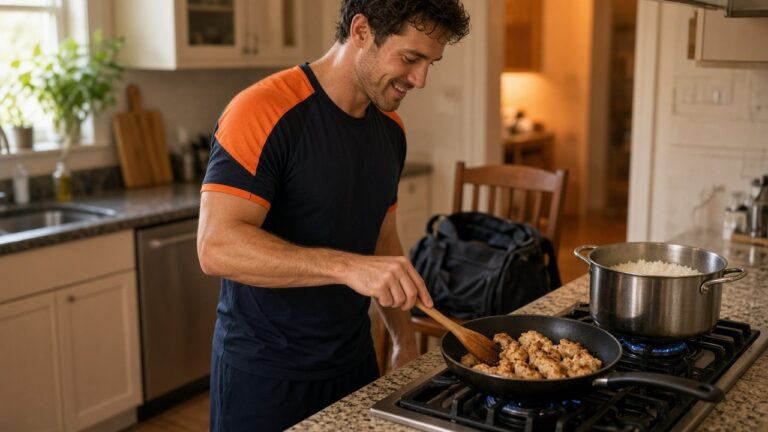
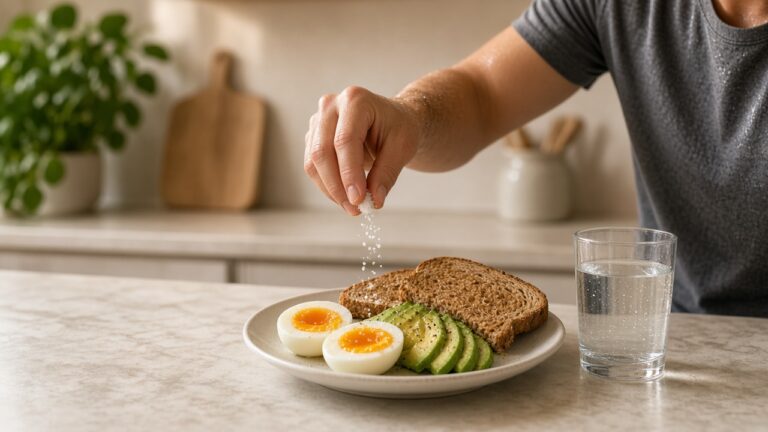
For most recreational sessions — strength, zone-2 (an easy endurance pace at which you can still talk comfortably) up to an hour, short run — a normal meal 2–3 hours before plus water supplies enough fuel. A banana or sandwich is then often more comfortable and cheaper than a gel with 20–30 g carbs you take “because it belongs.”
Our hub on eating around training stays the base; here Engy zooms on gels/bars versus everyday food. Also recovery shake vs meal fits: food-first applies before, during and after.
When yes gels/bars
- Long endurance: roughly >75–90 minutes hard or >2 hours moderate, especially if your gut tolerates little “real food” on the move.
- Race/ride at high intensity: you need a predictable, fast carb source without chewing.
- Practical constraints: no stops, rain, or you want exact dosing (e.g. ~30–60 g CHO/h on longer events — test individually).
When not / limits
- Not for every gym or short run: marketing ≠ physiology.
- Not as a meal replacement at home: afterwards a plate usually beats a sweet bar.
- Test the gut first: new product on race day is a classic mistake.
- Sugar/electrolyte check: sometimes you want CHO without extra salt or caffeine — read the label; see also electrolytes vs water.
Practical without race cosplay
Plan fuel by duration and intensity, not Instagram. ISSN/ACSM-style sports-nutrition lines (EU-framed: no “always gel”) stay: carbs around long efforts help; for short sessions, timing of ordinary meals matters more. Derave-style popular explanation confirms what practitioners already do: amateurs overrate gels, underrate breakfast.
Train your gut like your legs
What you tolerate in week 1 of a build block is not automatically race-day-proof. Build CHO intake gradually on long endurance sessions. Alternate water and one fixed source; too much sweet on an empty stomach stays a classic. Save caffeine gels for moments you really want them — not as default on every climb.
Practical Engy tip
Rule of thumb: indoor <75 min → water + earlier meal. Long outdoor ride → practise one simple CHO source (banana or gel), not five flavours at once.
Recommendations in bullets
- Food first for short and moderate sessions.
- Gels/bars for long duration or race practice — tested, not new on the day.
- Dose by hours and gut, not by packaging.
- Afterwards: meal over marketing bar.
- Link to eating-around-training and recovery literacy.
Sources (selection)
- De Morgen / Derave (UGent) — sports gels for amateurs inspiration; relativise claims.
- ISSN / ACSM sports nutrition — carbs by duration/intensity.
- Engy: eten-rondom-training-timing, recuperatieshake-vs-maaltijd, elektrolyten-wanneer-water-genoeg.
One Comment