Leucine from your meals — without powder hype
Disclaimer: Not medical advice. Protein and amino-acid needs differ with age, illness and medication. With kidney issues, undernutrition or special diets: dietitian or doctor. No powder mandate and no disease claims.
TLDR
- Leucine is a key amino acid for muscle protein synthesis — reachable via meals, usually without separate leucine powder.
- Practice frame: ~25–30 g protein per meal (~2–3 g leucine); older recreational athletes often a bit more generous.
- Yes: spread across the day. No: mega doses of powder “because the feed says so.”
- See protein needs, plant proteins, creatine & vitamin D literacy.
Leucine sounds like lab speak. Shops sell it as a trigger in a sachet. As a practitioner I would rather count whether my lunch actually contains protein than whether I score 3.2 g of “pure leucine.” Put it in perspective: leucine matters — and it already sits in protein-rich food. For most recreational athletes a separate leucine supplement is unnecessary.
Media around Mouha/HLN et al. rightly push food first. Engy follows that line without repeating their sentences: literacy, not hype.
What leucine does (short)
Leucine is an essential amino acid that takes part in the “start signal” for muscle protein synthesis after training and meals. Without enough total protein and energy intake, one amino acid fixes little. Think lever within a meal, not a standalone magic compound.
Rough orders from sports-nutrition literature (ISSN et al., EU frames with Voedingscentrum/EFSA thinking): a meal with roughly 25–30 g protein often delivers around 2–3 g leucine with mixed or animal sources. Plant plates may need a bit more total protein or smart combinations — see plant proteins for athletes.
When to focus on leucine-from-food
- Meals too “carb-only”: pasta without a protein bridge, toast lunch, evening snack without structure.
- Older recreational athletes: anabolic response can be slower; slightly higher protein portions per meal are often more sensible than a leucine sachet.
- After training: a normal protein-rich meal within your day pattern usually suffices; timing obsession is optional.
When no / limits
- Powder first: if your meals already hold 25–40 g protein, extra leucine is rarely the bottleneck.
- Only leucine, too little total protein: one amino acid does not save a protein-poor day.
- Kidney disease or medical diet: no self-experiment with high protein/amino-acid stacks.
- SKU hype: compare with 5 questions for longevity supplements — need, evidence, risk, cost, food alternative.
Practical everyday meals
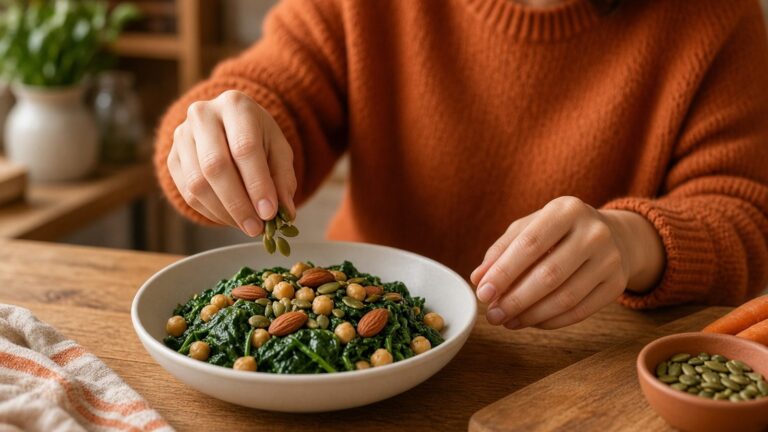
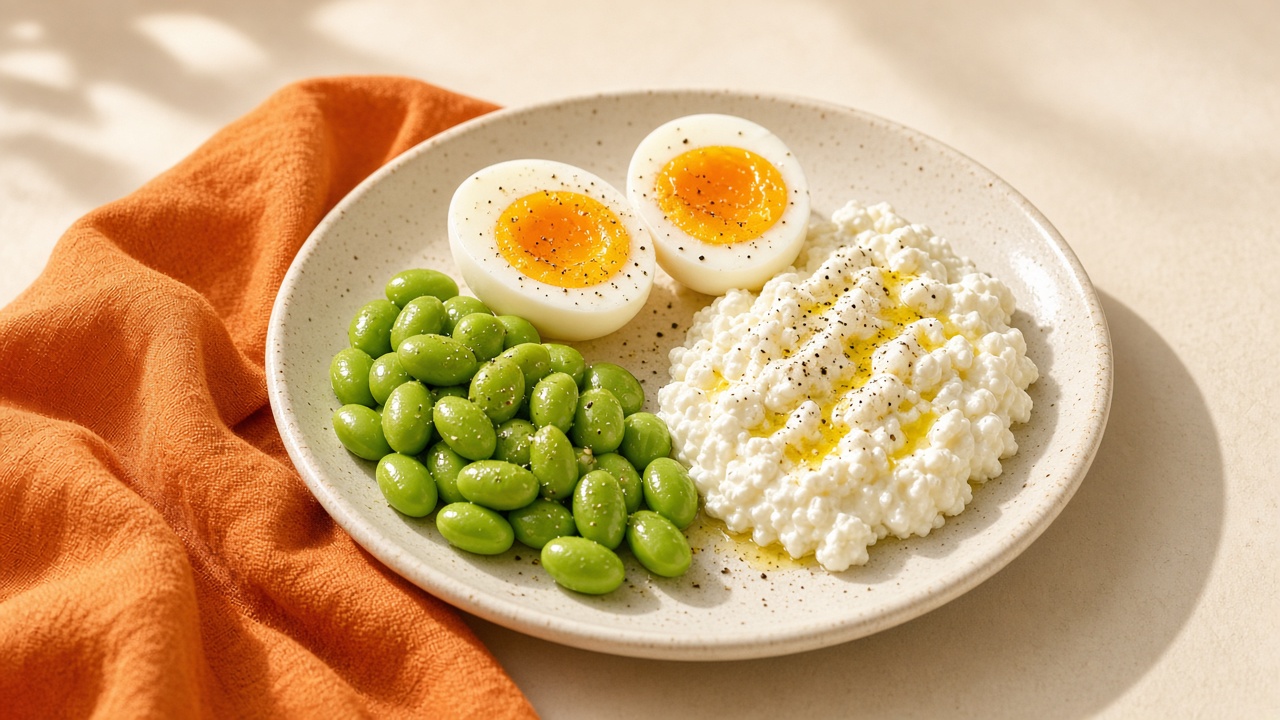
Examples that approach the leucine/protein zone without scale obsession: quark or skyr with fruit; omelette + bread; salmon or mackerel with potatoes; lentil stew with yoghurt; chicken with rice and vegetables; tofu stir-fry with edamame. Plant-based: combine legumes + grain and aim a bit higher in total protein grams.
Day totals stay leading — see protein needs for active adults. Creatine and vitamin D are separate literacy dossiers; do not lump them with leucine powder “because it sounds anabolic” — creatine & vitamin D.
Recommendations in bullets
- Aim for ~25–30 g protein per main meal; older adults often a bit more.
- Choose food sources first; leucine powder is the exception, not the base.
- Spread protein across the day instead of one mega evening plate.
- Plant-based: totals and combinations, no panic about “incomplete” myths.
- Medical context: dietitian/doctor, not a feed protocol.
Sources (selection)
- Mouha / HLN et al. — protein/leucine via food (inspiration only; do not paraphrase).
- ISSN / sports-nutrition reviews — protein per meal, leucine thresholds as a frame (individual).
- Voedingscentrum / EFSA — protein recommendations; supplements not as default.
- Engy: protein needs, plant proteins, creatine/D literacy, 5 questions supplement.