Snoozing: why half an hour of snoozing cost only six minutes of sleep in a Swedish sleep study
General information, not medical advice. If you are often sleepy during the day, snore loudly or fall asleep without meaning to, talk to your GP.
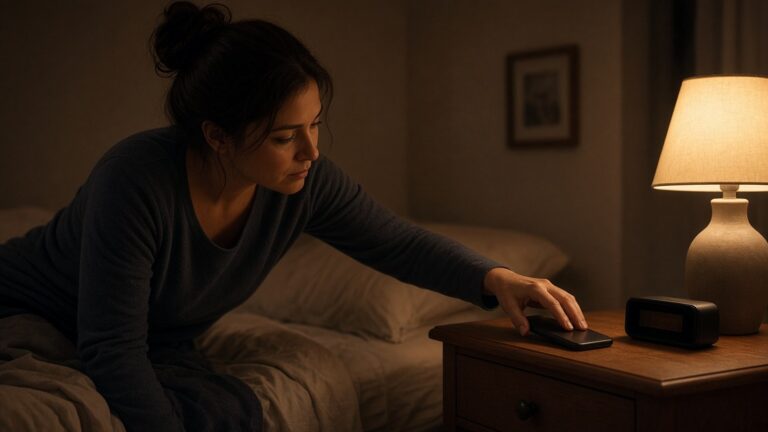
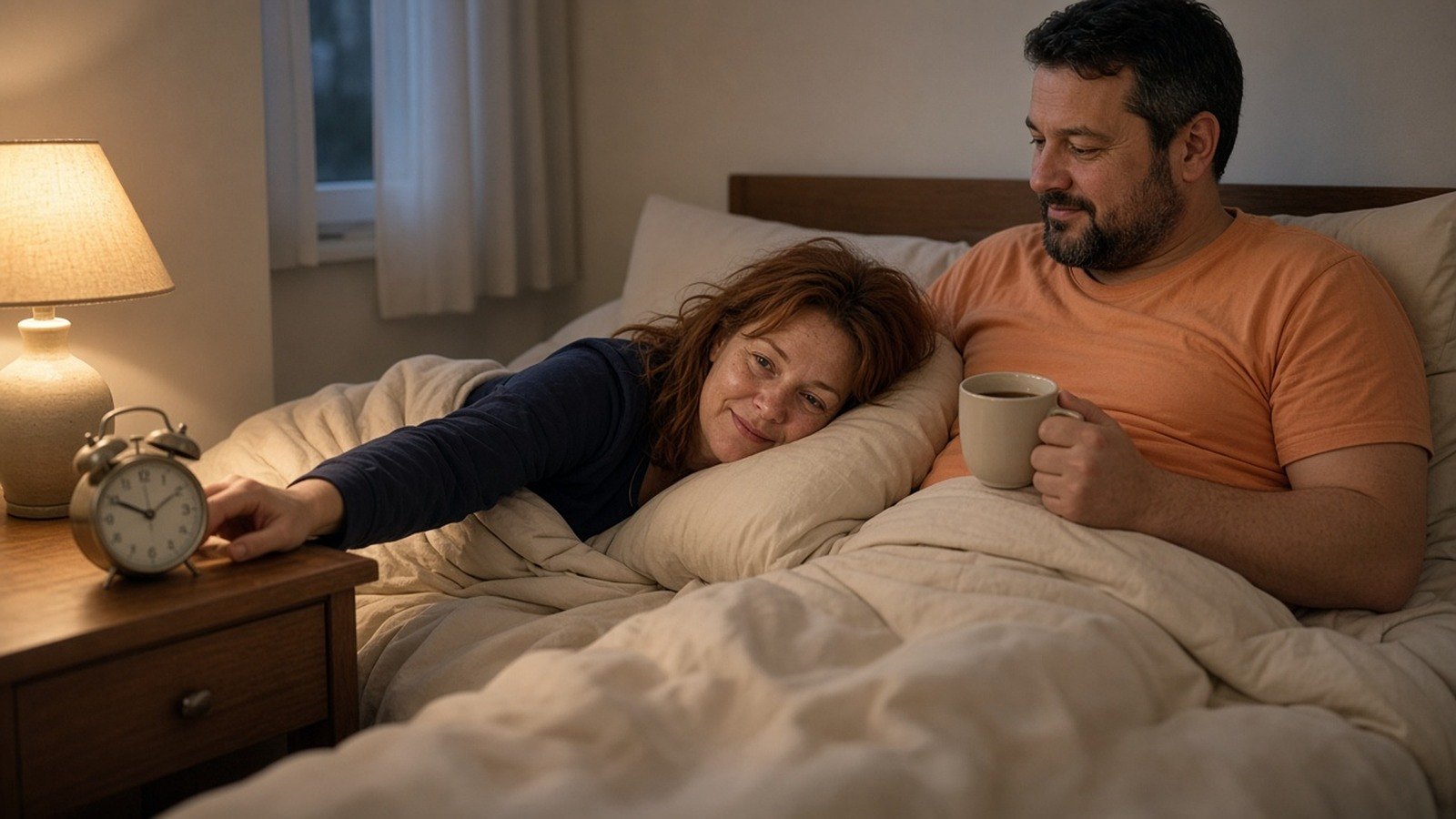
Snoozing means pressing the snooze button on your alarm so that it goes off again a few minutes later. Many people do it and some feel guilty about it. Two studies looked at what it does to you. In a Swedish lab study, half an hour of snoozing cost only about 6 minutes of sleep. An American study shows who does it most and what it is linked to.
How many people snooze and who does it most
Mattingly and colleagues followed 450 participants with questionnaires and a wearable device. Of them, 57 percent snoozed. It was an observational study: the researchers compare people without changing their behaviour, so they find links and not causes. Women, younger people, those who took fewer steps, those with more disturbed sleep and people with an evening chronotype snoozed more often. Your chronotype is your natural preference for sleeping early or late. An evening type prefers to go to bed late and get up late.
In a questionnaire study by Sundelin, Landry and Axelsson among 1,732 people, snoozing also turned out to be widespread, especially among younger people and evening types. Snoozers were more often groggy in the morning and more often slept less.
What snoozing does to your sleep and alertness
In their lab study, Sundelin and colleagues followed 31 habitual snoozers. Each participant tested both situations: a morning with 30 minutes of snoozing and a morning on which the alarm went off once. Their sleep was measured with polysomnography, a sleep recording with electrodes on the head and body. Right after getting up, they did cognitive tests. Snoozing improved their performance or left it unchanged, compared with waking up abruptly.
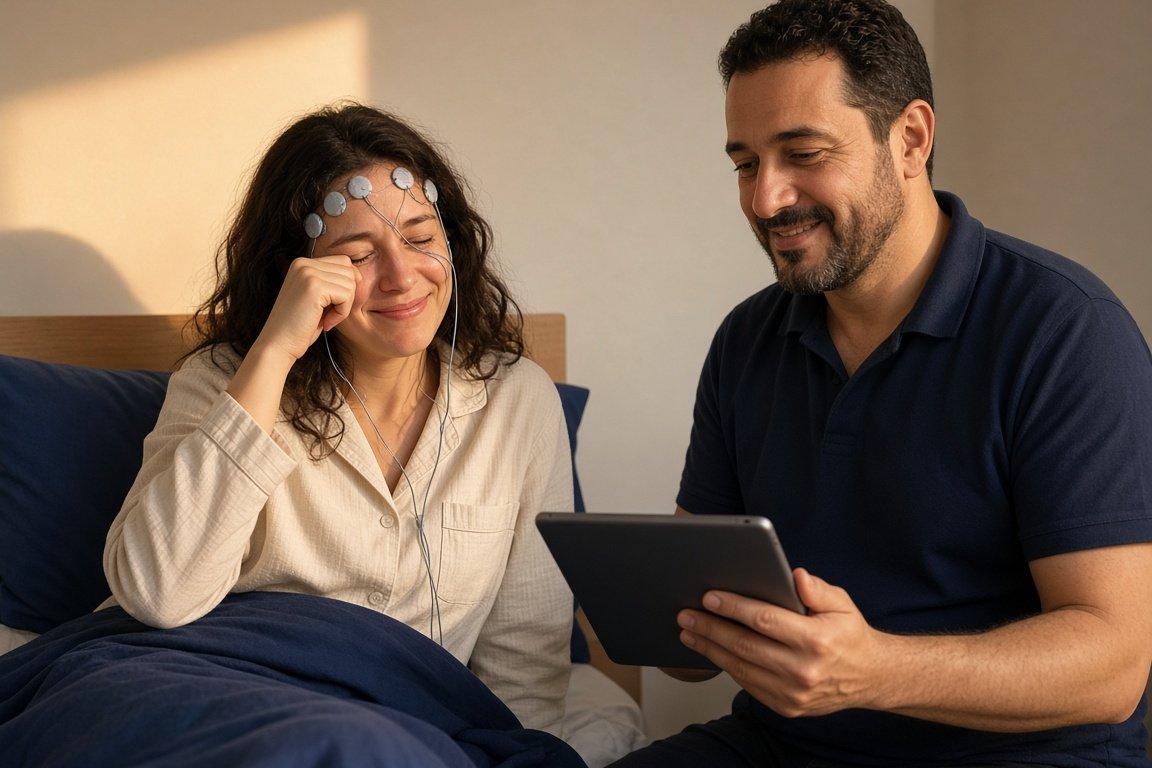
Snoozing cost about 6 minutes of sleep. It also meant participants were not woken from deep sleep, the sleep stage called N3. The researchers saw no clear effect on cortisol on waking. Cortisol is a stress hormone that rises in the morning. They also saw no clear effect on sleepiness, mood or the structure of that night’s sleep.
The authors conclude that a short snooze period may help ease sleep inertia in evening types and people who are groggy in the morning, without disturbing sleep much. Sleep inertia is the grogginess and slow start just after waking up. It is still a small group of habitual snoozers in a lab, so the result does not simply apply to everyone.
In the study by Mattingly and colleagues, snoozers had a higher resting heart rate and slept more lightly just before waking. They did not sleep less than non-snoozers and did not feel sleepier. That differs from the questionnaire study by Sundelin and colleagues, in which snoozers were more often groggy and slept less. The studies use different methods and groups, so the picture is not yet clear.
When snoozing can be a signal
According to these studies, snoozing itself does not seem harmful. Still, needing to snooze every morning can be a sign that you sleep too little or too late. In both studies, snoozers were more often evening types. In the questionnaire study they slept less and in the Mattingly study their sleep was more disturbed. That remains a link: the snooze button may be more a result of that sleep than its cause.
If you stay tired, it helps to recognise the signs of sleep apnoea. With sleep apnoea, your breathing repeatedly stops during the night.
What you can do if you snooze every morning
Look for the cause in your rhythm rather than in the button. As a general guideline, these habits can help:
- get up at about the same time every day, including at weekends, because sleep consistency (fixed bedtimes and wake-up times) keeps your rhythm more stable;
- seek out daylight in the morning, because morning light helps adjust your body clock;
- do not drink coffee too late in the evening and read when to stop caffeine before sleep.
According to these studies, you do not need to feel guilty about snoozing as such. If you still want to do it less, start with your evening and your morning light rather than with the alarm.
Sources
- Sundelin T, Landry S, Axelsson J. Is snoozing losing? Why intermittent morning alarms are used and how they affect sleep, cognition, cortisol, and mood. Journal of Sleep Research, 2024 (questionnaire study and lab study).
- Mattingly SM, Martinez G, Young J et al. Snoozing: an examination of a common method of waking. Sleep, 2022 (observational study).