Recognising sleep apnoea: when snoring is more than just snoring
General information, not medical advice. If you recognise these signs, talk to your GP.
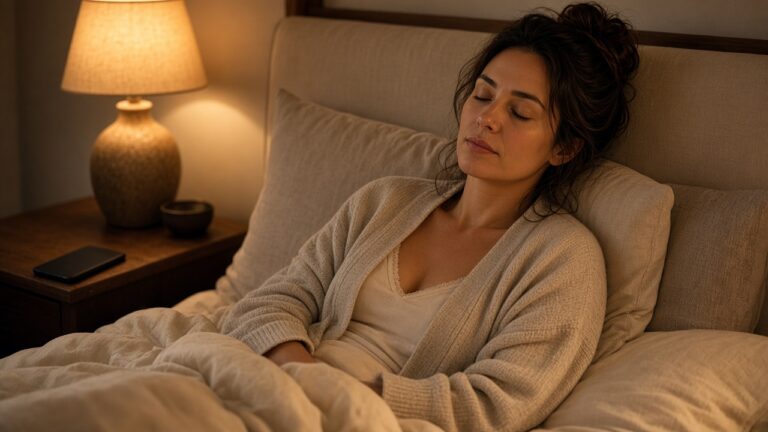
Loud, regular snoring can be a sign of sleep apnoea. With this condition, your breathing stops again and again while you sleep. Sometimes it stops almost completely for at least 10 seconds: that is called an apnoea. Sometimes it slows down sharply: that is a hypopnoea. According to Gezondheid en Wetenschap, a Flemish website with evidence-based health information, it only counts as sleep apnoea if this happens often and causes you symptoms.
Sleep apnoea usually happens because the muscles in your throat become too slack during sleep, so your airway briefly closes. About 4 in 100 men and 2 in 100 women aged roughly 30 to 65 have sleep apnoea. It is more common in people who are overweight and in middle and older age, and in women the risk rises after the menopause. In Belgium, around 140,000 people received treatment for sleep apnoea in 2018.
Signs of sleep apnoea at night and during the day
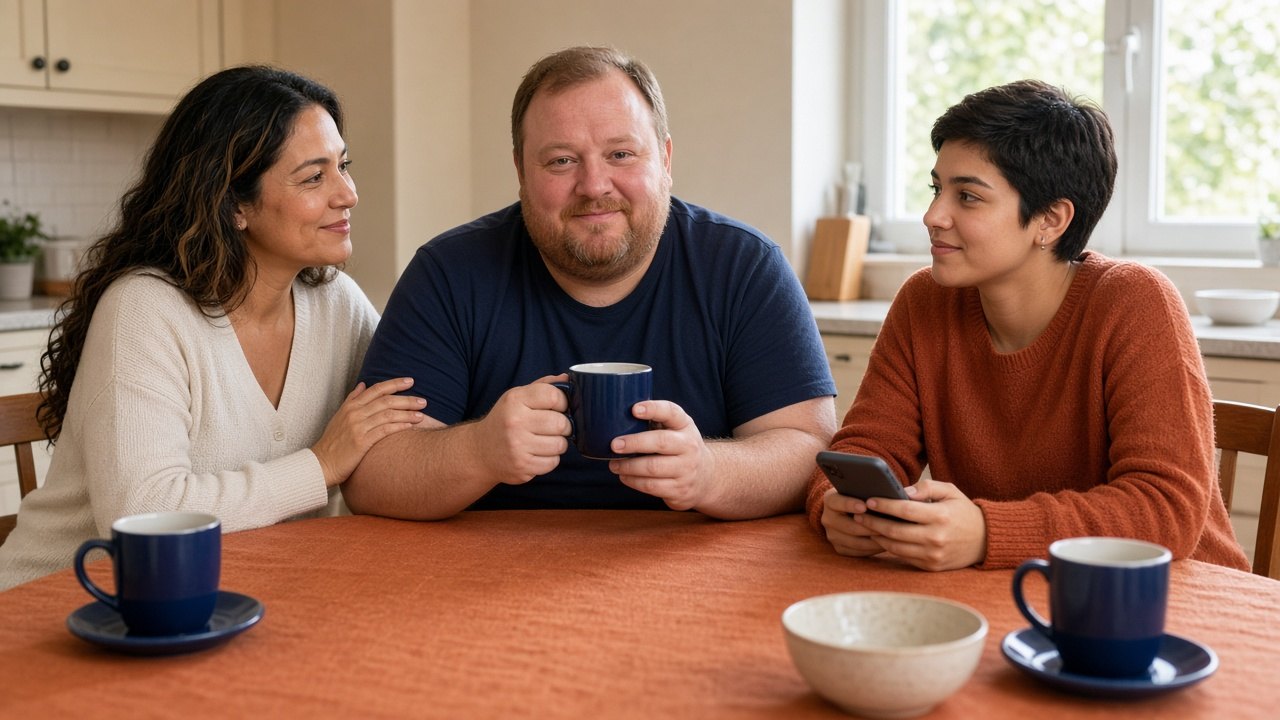
Typical signs at night are loud, regular snoring, pauses in breathing, gasping for air or a choking feeling, very restless sleep, often needing the toilet and sweating. You often barely notice this yourself, but a partner or housemate does.
During the day, sleep apnoea can cause severe tiredness, sleepiness or even sudden bouts of sleep, for example in the car or at your computer. Trouble concentrating and remembering things, headaches when you wake up, a dry mouth or sore throat in the morning and less interest in sex can also occur.
Sleepy at the wheel
If you are very sleepy during the day, do not drive a car or any other vehicle when you notice you are about to fall asleep, Gezondheid en Wetenschap advises. For professional drivers, driving with untreated sleep apnoea is not allowed. In the longer term, untreated sleep apnoea increases the risk of high blood pressure, cardiovascular disease and accidents at work and on the road.
A smartwatch does not give a diagnosis
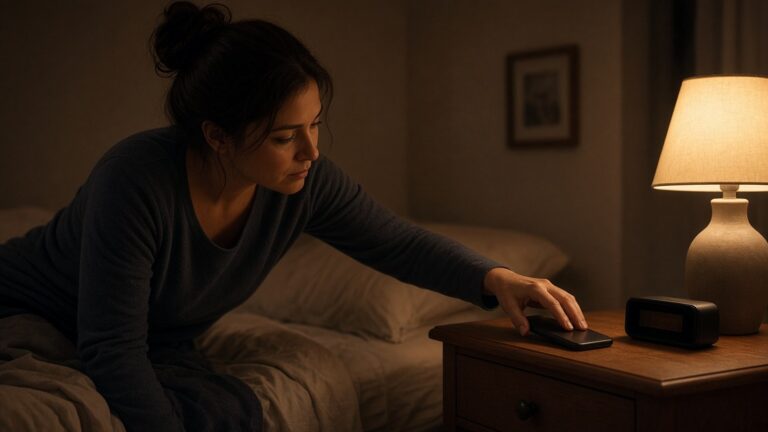
A smartwatch or sleep app can sometimes give you an idea of your sleep pattern, but according to Gezondheid en Wetenschap it is not nearly reliable enough to diagnose sleep apnoea. Doctors sometimes use the STOP-Bang, a short questionnaire with eight yes-or-no questions about things such as snoring, tiredness, blood pressure, age and neck size, to estimate your risk. A questionnaire like this is a tool to help, not a diagnosis.
Getting tested for sleep apnoea in Belgium
If you recognise these symptoms in yourself or your partner notices pauses in your breathing, Gezondheid en Wetenschap advises discussing it with your doctor. A reliable diagnosis requires a sleep study, usually in a hospital sleep centre, where sensors measure things such as your breathing, the oxygen level in your blood and your heart rate.
Severity is expressed as the AHI, the apnoea-hypopnoea index: the number of pauses and slowdowns in breathing per hour of sleep. According to the NHS, the UK’s public health service, an AHI of 5 to 14 is mild, 15 to 30 is moderate and over 30 is severe. According to Belgium’s national health insurance institute RIZIV/INAMI, your health insurance fund (ziekenfonds or mutualité) contributes to home treatment through a specialised centre: with a CPAP machine, which keeps your airway open with a gentle flow of air through a mask, or with a custom-made mouth device that moves your lower jaw slightly forward. Your doctor decides with you which treatment suits you.
What you can do yourself
If you are overweight, losing weight can in most cases greatly reduce many symptoms, according to Gezondheid en Wetenschap. An American study that followed 690 employees for 4 years points the same way: a 10% weight loss went hand in hand with about 26% fewer pauses and slowdowns in breathing per hour, and a 10% weight gain with about 32% more.
Alcohol relaxes the muscles in your throat and often makes sleep apnoea worse. It is best avoided especially in the hours before bedtime, all the more because alcohol disrupts your sleep in other ways too. Smoking irritates the airways. Sleeping pills and sedatives make your throat muscles even slacker: never change the dose yourself, but discuss their use with your doctor.
For some people, the breathing pauses happen mainly when they sleep on their back. Sleeping on your side is especially useful in mild sleep apnoea. Gezondheid en Wetenschap also recommends good sleep habits: going to bed and getting up at fixed times, as with a regular sleep schedule, avoiding screens in the hour before bed, a dark, quiet bedroom that is not too warm, and no caffeine in the evening. The same habits appear in the sleep and recovery checklist.
When to see your GP
The NHS advises seeing your GP if your breathing stops and starts while you sleep, if you make gasping, snorting or choking noises in your sleep, or if you always feel very tired during the day. If someone else has seen you have these signs, bring them with you. According to the NHS, sleep apnoea can be serious if it is not diagnosed and treated.
Sources
- Gezondheid en Wetenschap. Obstructieve slaapapneu (OSA) (in Dutch). gezondheidenwetenschap.be, last updated 18 May 2026.
- NHS. Sleep apnoea. nhs.uk, last reviewed 11 May 2026.
- RIZIV/INAMI. Slaapapneusyndroom: tegemoetkoming in de kosten van een thuisbehandeling met een nCPAP-toestel, met een auto-CPAP-toestel of met een mandibulair repositieapparaat (in Dutch). riziv.fgov.be, accessed 17 October 2026.
- Peppard PE, Young T, Palta M et al. Longitudinal study of moderate weight change and sleep-disordered breathing. JAMA. 2000;284(23):3015-3021.
- Chung F, Abdullah HR, Liao P. STOP-Bang Questionnaire: A Practical Approach to Screen for Obstructive Sleep Apnea. Chest. 2016;149(3):631-638.