

Frozen vegetables: as nutritious as fresh?
TLDR
- Frozen vegetables are usually blanched and frozen shortly after harvest. That helps keep many vitamins well preserved.
- Studies often find no large difference versus fresh, and sometimes frozen scores better than produce that has sat in the fridge for days.
- Cook them briefly: stir-fry, steam or oven, not boiled to death in lots of water.
- Watch ready mixes with sauce: they often add salt, fat or sugar.
I’ll admit it: my freezer always holds a few bags of vegetables. Peas, spinach, broccoli, a wok mix. For a long time I felt mild guilt about that, as if truly healthy people stand at the market every day. But is that picture fair? I looked into it.
From field to freezer
Fresh vegetables in the shop often already have a long journey behind them: harvest, transport, distribution, a few days on the shelf, then another few days in your crisper. During that time sensitive vitamins such as vitamin C and folate slowly decline.
Frozen vegetables are typically washed, briefly blanched and quick-frozen within hours of harvest. Blanching costs some water-soluble vitamins, but after that nutritional value stays fairly stable in the freezer.
What the research says
A broad review by Rickman and colleagues (2007) compared fresh, frozen and canned fruit and vegetables. Conclusion: frozen products largely match fresh for vitamin C and B vitamins, especially once fresh has been stored for a while first. Li and colleagues (2017) also found in their analyses that frozen vegetables often scored equal to fresh, and sometimes better than fresh that had sat five days in the fridge.
Bouzari and colleagues (2015) saw a similar pattern: for some vegetables, vitamin C was even higher in the frozen version than in the chilled version after a few days. The gap depends on the vegetable and the vitamin, but the overall picture is clear: the freezer bag is not a second-class choice.
No shame in the freezer bag
The biggest upside may not even be nutrition, but convenience. People who keep frozen vegetables at home simply eat vegetables more often. After a long workday or an evening session, a bag of peas or broccoli from Colruyt or Delhaize is ready faster than ordering in. And you waste less: no more limp courgette at the back of the fridge.
The Superior Health Council advises eating enough vegetables daily, and frozen counts fully. It is also an easy way to eat Mediterranean-style without cooking from scratch every day.
How I cook them without boiling everything away
- Stir-fry: straight from the freezer into a hot pan with a splash of olive oil. Do not thaw first — they go mushy.
- Steam or short boil: little water, short time. Otherwise water-soluble vitamins leak into the cooking water.
- Oven: broccoli or sprouts on a tray with some oil and spices get a nice crisp edge.
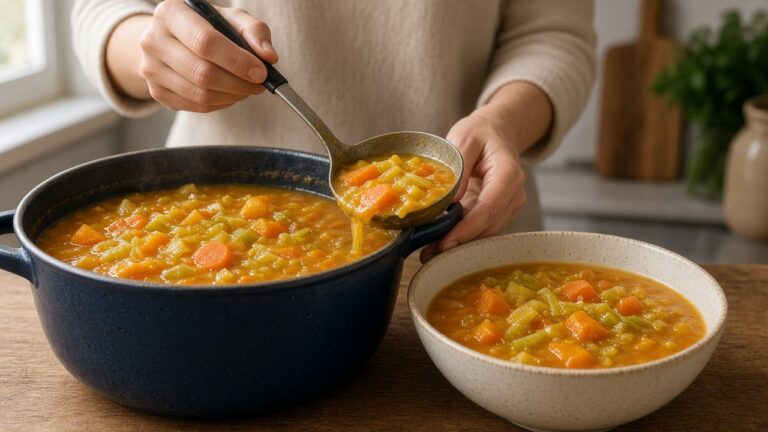
- In soup or sauce: add spinach or peas at the end. You then eat the cooking liquid too.
Combine them with whole grains and legumes and in ten minutes you have a meal that makes your gut and your muscles happy.
What I do watch
Not everything in the frozen aisle is equal. Plain vegetables without additives are great. Ready mixes with cream sauce, cheese sauce or an “oriental” sauce often pack plenty of salt, fat and sometimes sugar. Check the label: if the ingredients list is only vegetables, you are fine. If you still pick a mix with sauce, use only part of the sauce pouch.
Practical Engy tip
Keep three base bags in the freezer: one green (spinach or broccoli), one legume (peas or edamame) and one wok mix. That way you always have a vegetable base for a quick meal. Frozen legumes are a handy start too.
Recommendations
- Frozen vegetables count fully.
- Cook briefly; do not boil them out.
- Choose plain vegetables; be critical of sauced mixes.
Sources (selection)
- Rickman JC, Barrett DM, Bruhn CM (2007). Nutritional comparison of fresh, frozen and canned fruits and vegetables. Part 1. Vitamins C and B and phenolic compounds. Journal of the Science of Food and Agriculture, 87(6), 930–944.
- Li L et al. (2017). Selected nutrient analyses of fresh, fresh-stored, and frozen fruits and vegetables. Journal of Food Composition and Analysis, 59, 8–17.
- Bouzari A, Holstege D, Barrett DM (2015). Vitamin retention in eight fruits and vegetables: a comparison of refrigerated and frozen storage. Journal of Agricultural and Food Chemistry, 63(3), 957–962.
- Superior Health Council (2019). Food-based dietary guidelines for the Belgian adult population.





One Comment