Brussels sprouts: one serving spoon gives you more vitamin C than an orange
General information, not medical advice. If you take blood thinners of the vitamin K antagonist type, discuss big changes in how many vegetables you eat with your doctor or anticoagulation clinic.
Brussels sprouts are a typically Belgian winter vegetable, but many people do not have fond childhood memories of them. That is a shame. Brussels sprouts contain more fibre, folic acid and vitamins C and K than most other cabbages. A normal portion already gives you more vitamin C than an orange. And if you cook them well, the typical smell bothers you less.
More vitamin C than an orange
According to the Dutch Voedingscentrum, a serving spoon of cooked Brussels sprouts, about 70 grams, provides some 92 milligrams of vitamin C. An orange of 130 grams gives about 66. The Health Council of the Netherlands recommends 75 milligrams a day for adults. One spoonful of Brussels sprouts therefore already takes you past that. Vitamin C is needed for your immune defences, among other things, and helps you absorb iron from your food. Whether it also prevents colds is another story: what vitamin C does and does not do for colds is covered in a separate article.
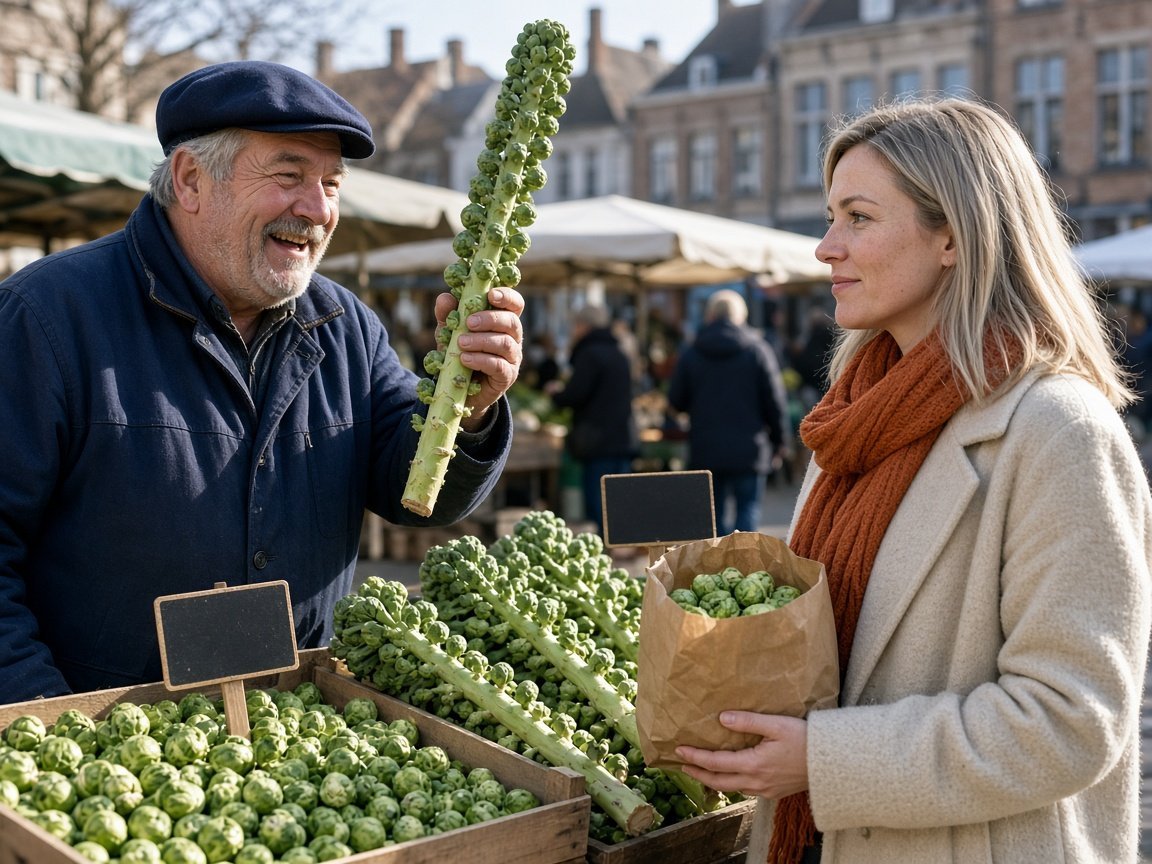
Why Brussels sprouts are so healthy
Brussels sprouts are especially rich in vitamin K, the vitamin your body needs for normal blood clotting. According to VLAM, the Flemish organisation that promotes farm produce, a 200 gram portion provides more than six times the recommended daily amount of vitamin K. Brussels sprouts also supply folic acid and fibre. Fibre is good for your gut, but it can also cause some extra wind.
Brussels sprouts also contain glucosinolates. During cooking, these are converted into the substances that give the typical smell and taste. There are signs that glucosinolates help protect against carcinogenic substances, but according to the same source, more research is still needed.
What a large study says about cabbages
In a Chinese study from 2011, researchers followed 134,796 adults in Shanghai. Those who ate the most cruciferous vegetables, such as cabbages, had a 22 percent lower chance of dying during the study than those who ate the least. The difference came mainly from fewer deaths from cardiovascular disease, not from fewer deaths from cancer. It is an observational study: it shows a link, not proof that the cabbages themselves make the difference. Brussels sprouts do fit well into the 300 grams of vegetables a day that serve as a guideline.
Brussels sprouts and blood thinners
If you take a coumarin blood thinner, a vitamin K antagonist such as acenocoumarol or phenprocoumon, you sometimes hear that you had better avoid Brussels sprouts. According to the Dutch anticoagulation service De Nationale Trombosedienst, that is not necessary. What matters more is avoiding big, sudden changes, because they can make your INR fluctuate. That is the blood value your doctor uses to adjust your dose. If you normally eat vegetables rich in vitamin K once or twice a week, keep it roughly that way. So do not suddenly start eating Brussels sprouts every day.
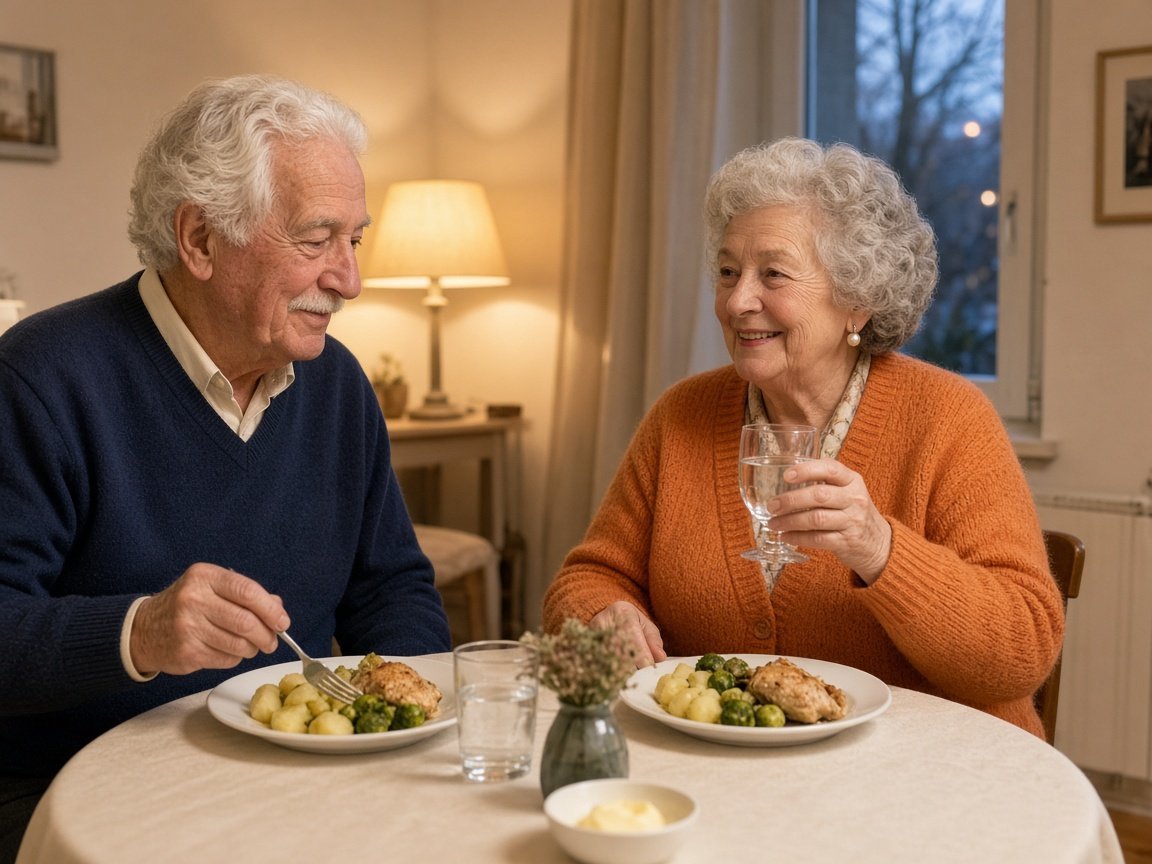
Cooking Brussels sprouts well
With these tips, Brussels sprouts are no longer a punishment:

- Cook them in little water and no longer than needed. After 8 to 13 minutes they are usually tender but still firm. If they fall apart, they lose more vitamin C.
- Cook an onion or a little milk along with them to keep the sprout smell out of the house.
- Combine them with apple or pumpkin for a sweeter taste, or add them to a green Mediterranean menu.
- Store them in the fridge and eat them within 5 to 7 days.
Children need to taste a new flavour 8 to 9 times on average before they like it. So it pays to keep going.
Sources
- Voedingscentrum. Vitamine C. Accessed on 30 October 2026 (in Dutch).
- Lekker van bij ons (VLAM). Hoe gezond zijn spruitjes? Accessed on 30 October 2026 (in Dutch).
- Lekker van bij ons (VLAM). Spruitjes. Accessed on 30 October 2026 (in Dutch).
- Zhang X, Shu XO, Xiang YB et al. Cruciferous vegetable consumption is associated with a reduced risk of total and cardiovascular disease mortality. American Journal of Clinical Nutrition, 2011 (observational study).
- De Nationale Trombosedienst. Boerenkool, spruitjes en cumarines: waar let u op? Accessed on 30 October 2026 (in Dutch).