Dry eyes in winter: why they become more common after 50 and what helps
General information, not medical advice. If your eye becomes painful or your sight suddenly gets worse, call your GP straight away.
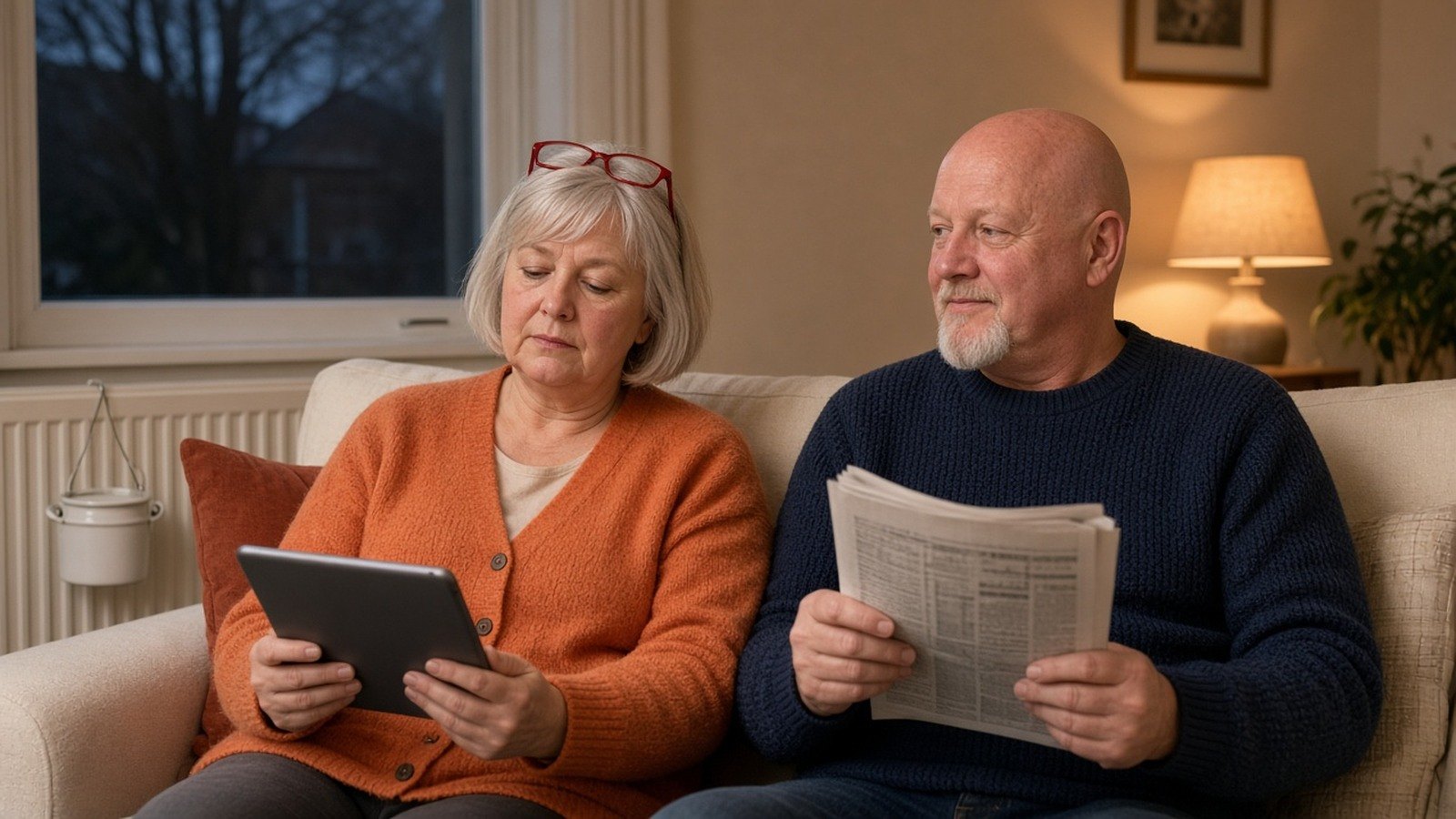
Stinging, burning eyes at the end of the day, or the feeling that there is sand in them: as soon as the heating comes on, many people notice it more. Dry eyes are annoying, but there is often a lot you can do yourself. This article explains where they come from, why they become more common as you get older and what helps.
What dry eyes are and how to recognise them
Thuisarts, the patient website of the Dutch college of general practitioners NHG, explains that with dry eyes there is too little tear fluid in your eyes or the tear fluid works less well. According to Thuisarts, 1 in 10 people has dry eyes, mainly older people and women.
Tears protect your eyes against drying out and damage. Small glands in the edges of your eyelids make an oily layer that helps the tears stay on your eye. Every time you blink, your eyelids spread that fluid over your eye again.
You notice dry eyes as a burning, tired or stinging feeling, itching, the feeling of sand in your eyes, red eyes or blurred vision. Surprisingly, dry eyes can also water more. In the morning your eyelids may be stuck together with crusts on them.
Why dry eyes become more common after 50
Dry eyes develop in two ways: your tear glands make less tear fluid or the fluid evaporates faster. Getting older plays a part in both. The British health service NHS explicitly names people over 50 as a group more likely to get dry eyes.

Other things play a role too. Thuisarts and the NHS mention contact lenses, looking at a screen for a long time without a break, draughts, smoke and air conditioning. When you read or work on a screen you blink less, so tears evaporate faster. Some medicines can also cause dry eyes, such as certain antidepressants and some blood pressure medicines, as can conditions such as diabetes, rheumatoid arthritis or Sjögren’s syndrome.
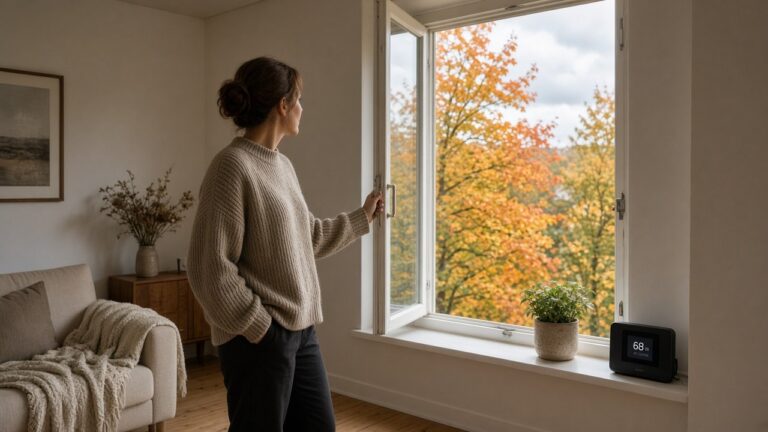
In winter, the heating adds to this. The NHS advises not to spend too long in heated or dry rooms.
What you can do about dry eyes
Some causes, such as getting older, you cannot change. Your surroundings and habits you can. Thuisarts and the NHS give this advice:
- Blink more often on purpose when you read or look at a screen and take regular breaks.
- Place your computer screen just below eye level, as the NHS recommends.
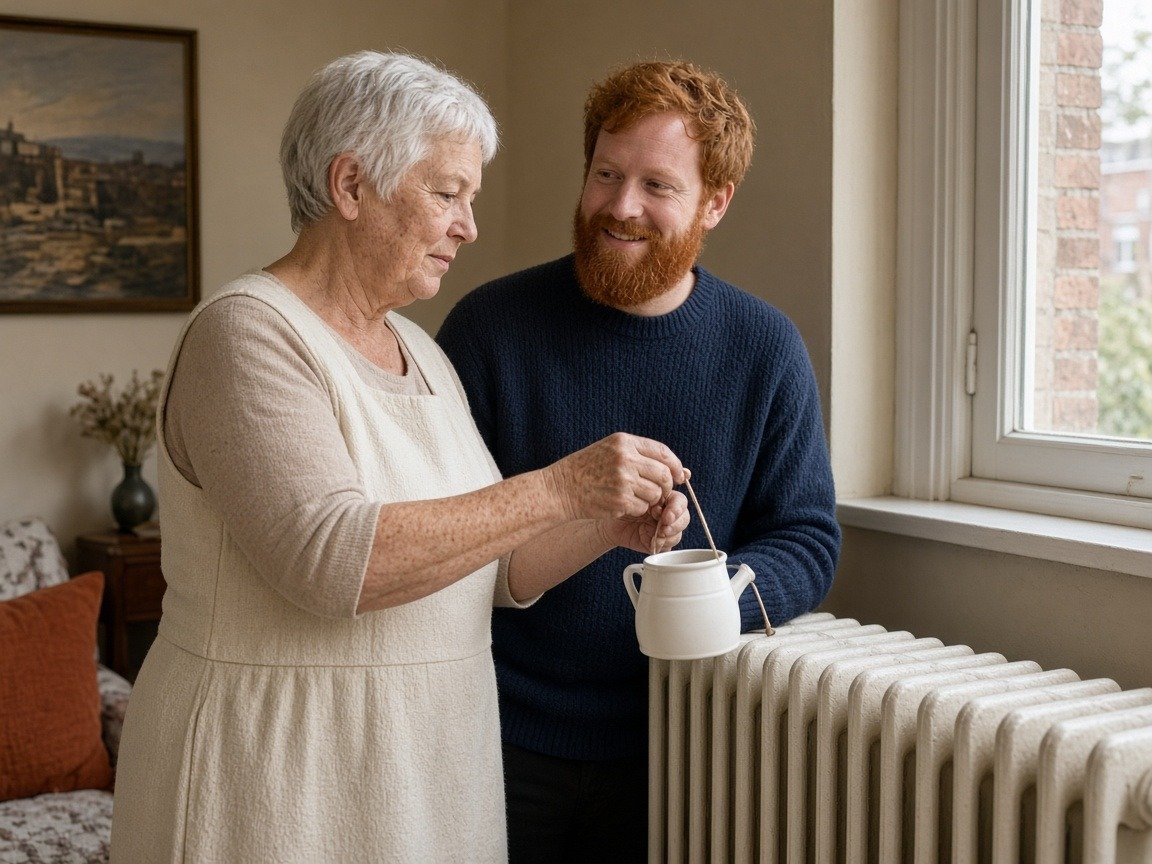
- Make sure the air at home does not get too dry. Thuisarts suggests hanging a container of water on the radiator and refilling it regularly.
- Avoid smoky or air-conditioned rooms and do not rub your eyes.
- If you wear contact lenses, wear your glasses more often.
Candles also produce smoke indoors. What that means for the air you breathe is explained in the article on candles and indoor air. If you smoke, quitting smoking is a good step for your eyes as well: the NHS names smoking as a factor in dry eyes.
If the edges of your eyelids are irritated, the NHS describes a simple routine. Hold a flannel soaked in warm, not hot, water against your eyes, gently massage your eyelids and then wipe them clean with cotton wool.
Artificial tears and the role of your GP
Artificial tears can help. These are eye drops or gel without medicine that you can buy at the pharmacy. According to Thuisarts, you can keep using them for as long as you find them helpful. Check the packaging for how often you may use them per day and how long they keep. If they do not help enough, your GP can prescribe an eye ointment to use before you go to sleep.
Think a medicine is causing your symptoms? Do not stop it yourself, but discuss it with your GP.
When to see your GP
Call your GP or the out-of-hours service straight away if you can no longer stand light, if you suddenly see badly and blinking does not help or if your eye becomes painful. Make an appointment if the advice does not help, if your symptoms get worse, if your eye turns red or if your eyelashes rub against your eye.
Sources
- Thuisarts, Nederlands Huisartsen Genootschap (NHG, the Netherlands). Ik heb droge ogen. 2026 (last updated 7 September 2026).
- NHS (United Kingdom). Dry eyes. 2025 (page last reviewed 6 January 2025).