
Bone density and fall prevention: what you can do yourself
General information, not medical advice. If you have fallen before, have osteoporosis or take medication that affects your balance, ask your GP or physiotherapist which exercises suit you.
Your bone density, the amount of minerals in your bones, partly determines how easily a bone breaks. Later in life, a fracture often starts with a fall. This article explains what you can do yourself to keep your bones strong and lower your risk of falling.
Why falls matter so much
With osteoporosis, bone density is so low that a bone can break in a minor fall. A bone density scan, a test using a low dose of X-rays, shows how your bones are doing. According to the World Health Organization (WHO), about 842,000 people died from a fall worldwide in 2023. That makes falls the second leading cause of accidental death, after road traffic injuries. About 71 percent of those deaths were among people aged 60 and over. The WHO lists exercise that challenges balance as one of the measures that work, along with removing hazards at home.
Exercise that supports your bone density
Bones adapt to the load they receive. Walking, climbing stairs, jumping and strength training load your skeleton more than swimming or cycling, where your body is supported. A well-known randomised trial, LIFTMOR from 2018, had postmenopausal women with low bone mass do heavy strength exercises and jumps twice a week for eight months under supervision. Their bone density in the lower spine and hip improved, while it declined in the control group doing light exercise. Because the sessions were supervised, it is wise to start gently, as in the article on strength training for beginners.
Calcium and vitamin D
Calcium is the main building material of bone. The European Food Safety Authority (EFSA) recommends 950 milligrams of calcium a day for adults from age 25. Dairy, cheese, calcium-fortified plant drinks, calcium-rich mineral water and green vegetables such as broccoli and kale all contribute. Vitamin D helps your body absorb calcium. In a Belgian winter your skin makes hardly any, as the article on vitamin D in winter explains.
Exercises that prevent falls
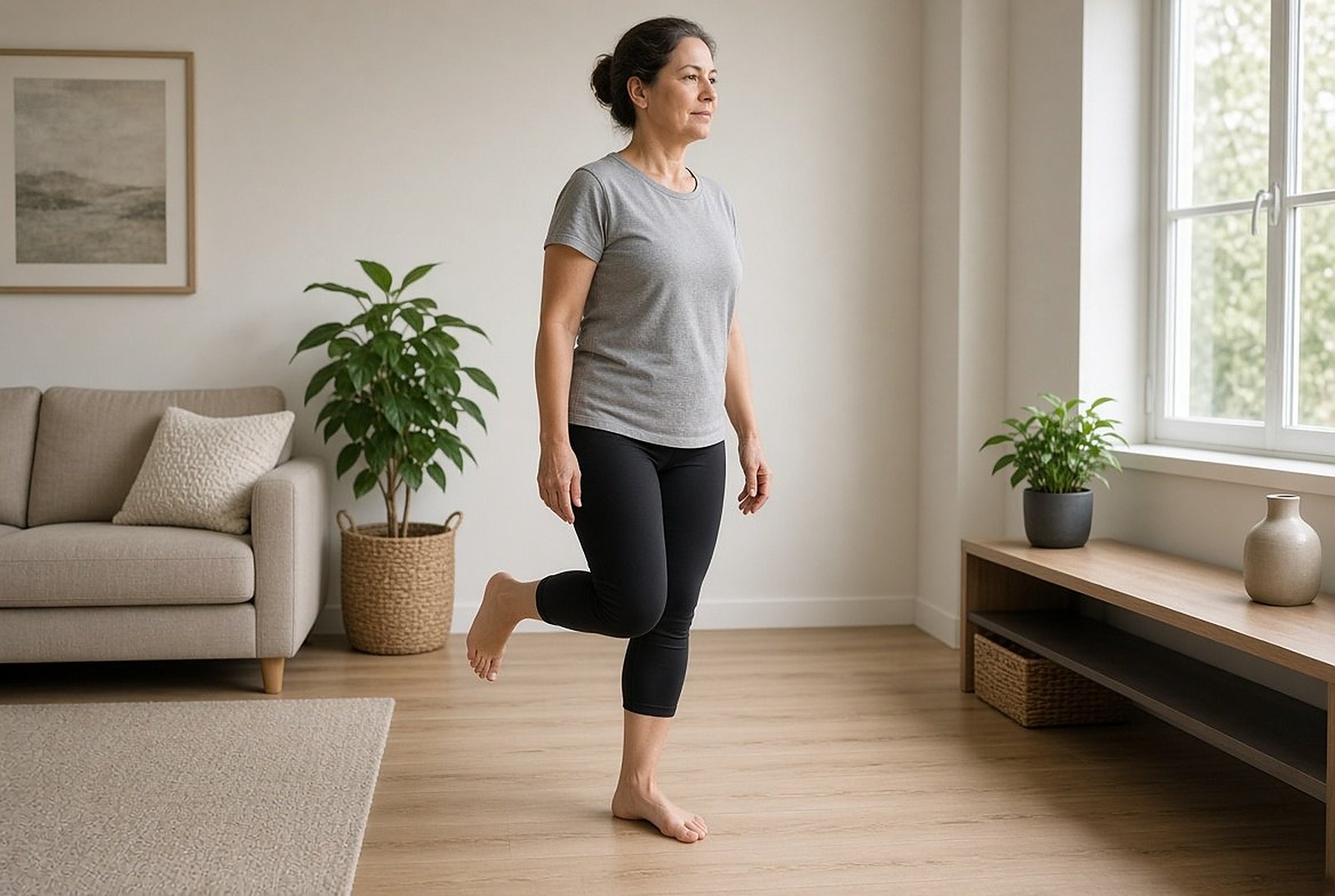
A 2019 Cochrane review by Sherrington and colleagues pooled 108 randomised trials in older people living at home. Exercise programmes reduced the number of falls by 23 percent. Programmes built on balance and everyday movements, such as getting up from a chair, standing on one leg or stepping in different directions, worked best. Tai chi, a slow, flowing Chinese movement practice, also reduced the number of falls. Programmes combining several types of exercise, such as balance and strength, worked as well. The benefits lasted as long as participants kept exercising, so regularity matters more than a short burst of effort.
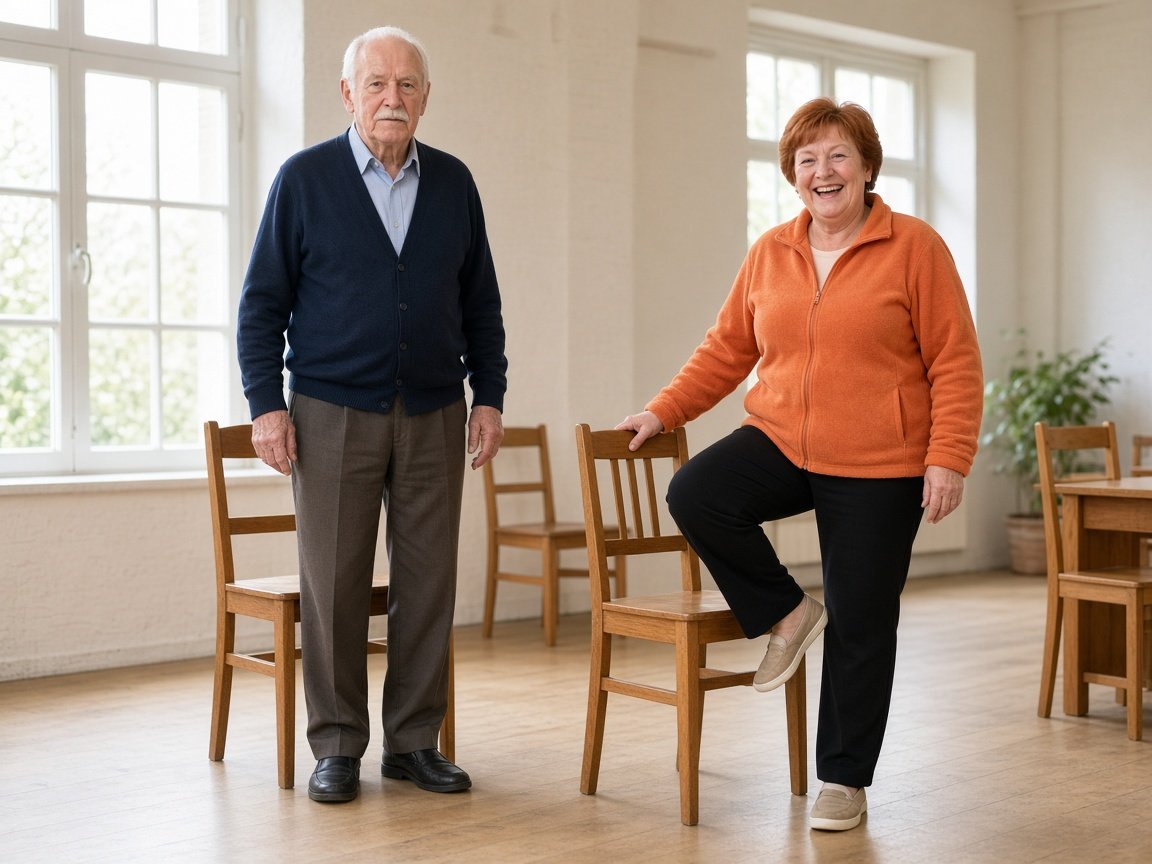
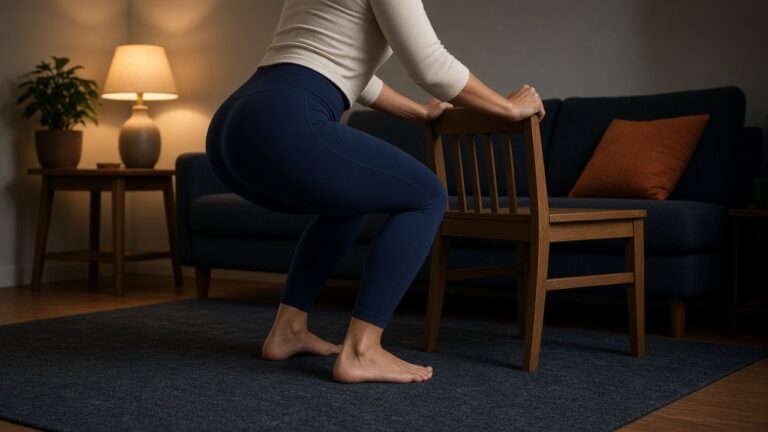
Strong legs help you catch yourself when you trip. Standing up from a chair without using your hands is a simple exercise that trains strength and balance at the same time; the article on standing up from a chair explains how to build it up. At first, do balance exercises next to a kitchen counter or a sturdy chair so you can hold on.
Your home plays a part too. Good lighting in hallways and on the stairs, no loose rugs or cables on the floor and sturdy shoes with a good sole make a stumble less likely.
References
- World Health Organization. Falls (fact sheet). Accessed October 2026.
- Watson SL, Weeks BK, Weis LJ e.a. High-intensity resistance and impact training improves bone mineral density and physical function in postmenopausal women with osteopenia and osteoporosis: the LIFTMOR randomized controlled trial. Journal of Bone and Mineral Research. 2018;33(2):211-220.
- EFSA Panel on Dietetic Products, Nutrition and Allergies. Scientific Opinion on Dietary Reference Values for calcium. EFSA Journal. 2015;13(5):4101.
- Sherrington C, Fairhall NJ, Wallbank GK e.a. Exercise for preventing falls in older people living in the community. Cochrane Database of Systematic Reviews. 2019;(1):CD012424.

One Comment