Mussels: one portion gives you more than eight times the recommended vitamin B12
General information, not medical advice. If you are allergic to shellfish, have gout or are pregnant, ask your GP or a dietitian for advice.
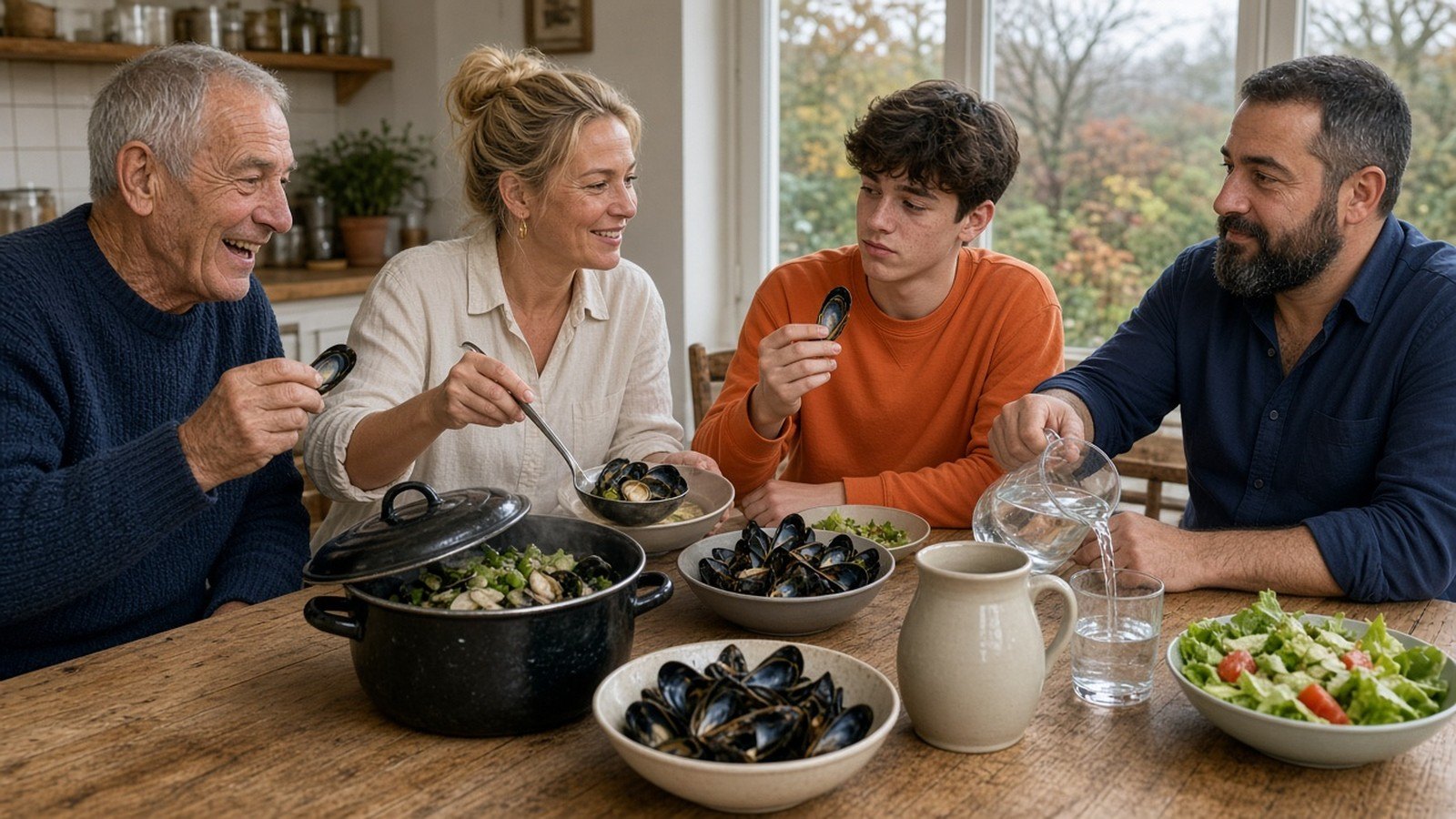
During the All Saints’ weekend, many Belgians like to put a steaming pot of mussels on the table. What is in them, how do mussels fit into the advice on fish and who should be careful? To start with: one portion provides more than eight times the amount of vitamin B12 an adult needs per day.
What is in a portion of mussels?
A 125-gram portion of cooked mussels provides 156 kilocalories and 21.5 grams of protein. That is what the Dutch Voedingswaardewijzer reports, based on the Dutch food composition database NEVO. The same portion contains 24.0 micrograms of vitamin B12. The Voedingscentrum, the Dutch nutrition information centre, sets the recommended intake for adults at 2.8 micrograms per day. One portion therefore gives you more than eight times as much. Vitamin B12 is important for making red blood cells and for a healthy nervous system. The portion also provides 4.9 milligrams of iron.
Per 100 grams, cooked mussels also contain 125 micrograms of iodine and 49 micrograms of selenium. They provide 0.39 grams of EPA and 0.26 grams of DHA, two omega-3 fatty acids. The Belgian Superior Health Council, the scientific body that advises the Belgian government, also names fish and seafood as sources of protein, iodine and selenium. How much protein you need to keep your muscles is explained in the article on protein after 40.
How do mussels fit into the advice on fish?
In a 2023 advisory report, the Superior Health Council recommends that adults in Belgium eat fish, crustaceans and shellfish once or twice a week, including oily fish at least once. According to the Flemish institute Gezond Leven, the practical dietary recommendations the Council updated in mid-2025 come down to at least 200 grams of fish, crustaceans or shellfish per week. On average, Flemish people eat about 125 grams a week. So there is room for more.
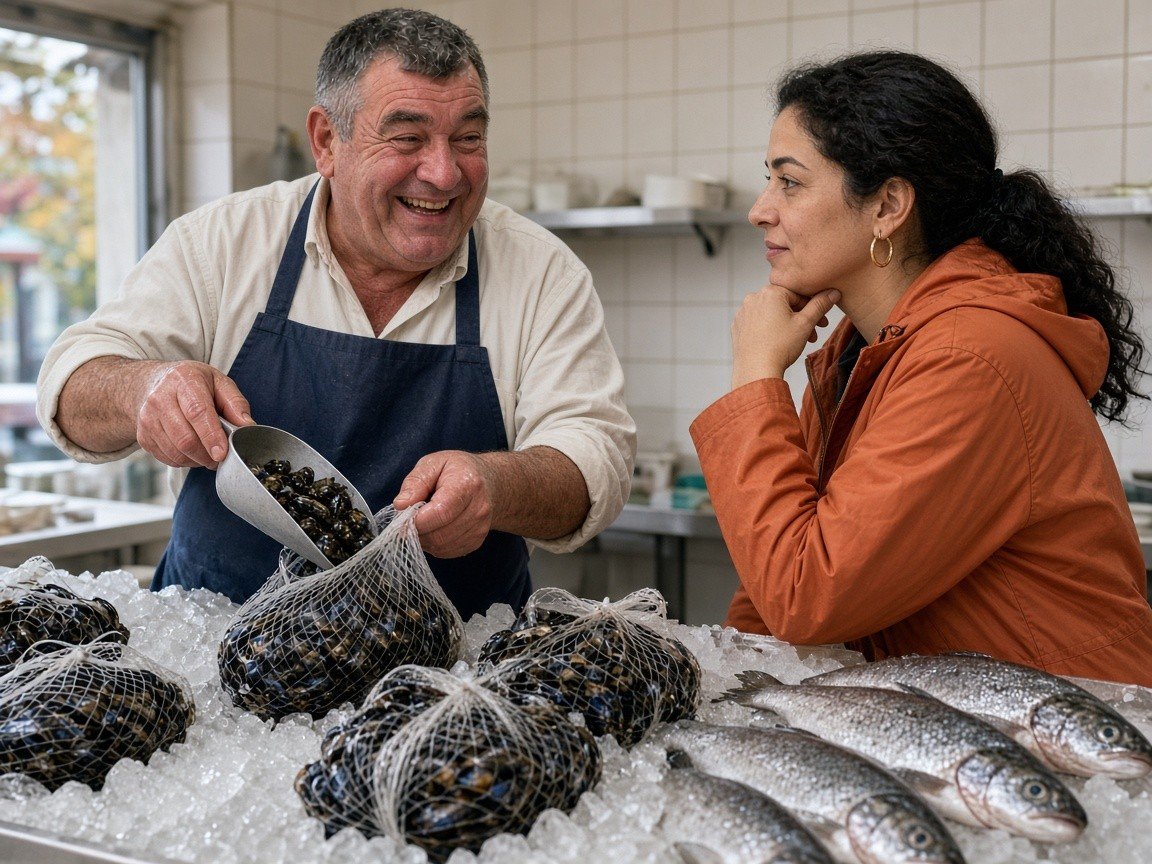
Gezond Leven classes cooked mussels as medium-fat fish. They therefore count towards your fish for the week, but they do not replace the portion of oily fish. For children and for pregnant or breastfeeding women, the Superior Health Council advises limiting tuna and avoiding swordfish, because they are more sensitive to the risks of methylmercury. Mussels are on the list of species preferred for them, together with mackerel, sardines and salmon, among others. If you want to choose sustainably, Gezond Leven advises preferring fish with an MSC or ASC label.
How to prepare mussels safely
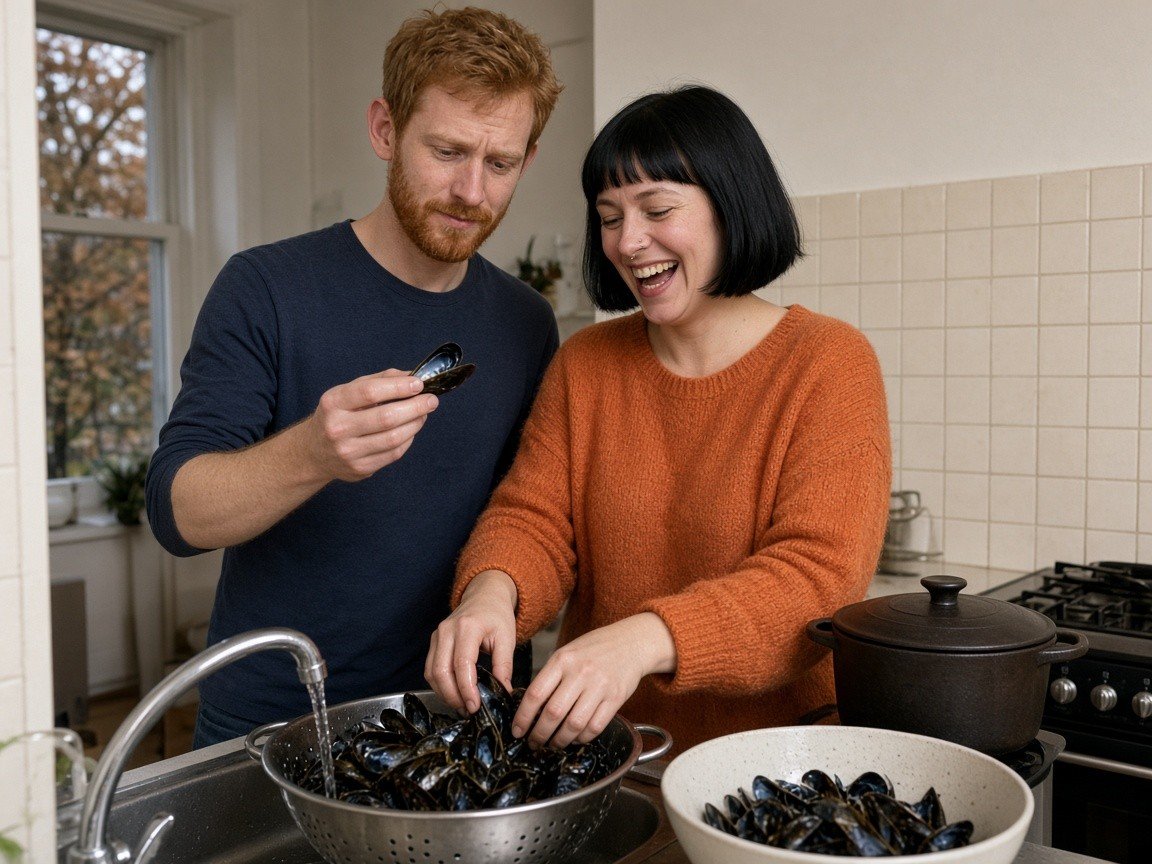
Check the mussels before you cook them. The Voedingscentrum advises throwing away mussels whose shell does not close before cooking, that are not open after cooking or whose shell is broken before cooking. In Belgium, the FASFC, the Federal Agency for the Safety of the Food Chain, checks freshness and the presence of marine biotoxins, among other things. These are toxins produced by certain types of phytoplankton that can build up in shellfish. The agency also monitors Belgian production areas for bivalve molluscs, the group mussels belong to.
Watch the salt too. Cooked mussels already contain 387 milligrams of sodium per 100 grams. Sodium is a component of table salt, so go easy on extra salt in the pot. With celery, onion and leek you eat some vegetables at the same time. How many you need per day is explained in the article on vegetables per day. Eating them with fries? Then also read the article on fries or boiled potatoes.
Who should be careful with mussels
Gezond Leven strongly advises pregnant women against eating raw shellfish such as mussels and oysters. The Voedingscentrum also advises young children, older people and people with reduced immunity not to eat raw crustaceans and shellfish. Raw mussels or oysters can contain norovirus, among other things. Some people are also allergic or sensitive to fish and crustaceans.
If you have gout, Gezondheid en Wetenschap, the Belgian patient guideline website of Cebam, advises avoiding a lot of alcohol (especially beer), offal and seafood. Mussels are not mentioned separately there, but they are part of seafood. Cooked well and salted sparingly, mussels fit into a varied weekly menu with fish, alongside a portion of oily fish.
Sources
- Voedingswaardewijzer (based on NEVO-online 2025, RIVM). Mosselen, gekookt: nutritional value per 100 grams and per portion. Accessed October 2026.
- Voedingscentrum. Vitamine B12. Accessed October 2026.
- Voedingscentrum. Vis en schaal- en schelpdieren. Accessed October 2026.
- Superior Health Council. Advisory report 9343: Fish and seafood (Part 1). 2023.
- Vlaams Instituut Gezond Leven. Vis. Accessed October 2026.
- FASFC. Fresh fishery products (fish and crustaceans) and live bivalve molluscs. Accessed October 2026.
- Gezondheid en Wetenschap (Cebam). Jicht. Patient guideline, accessed October 2026.