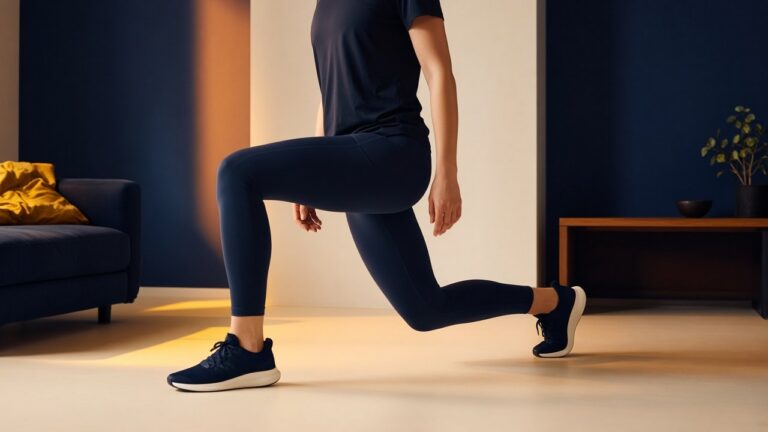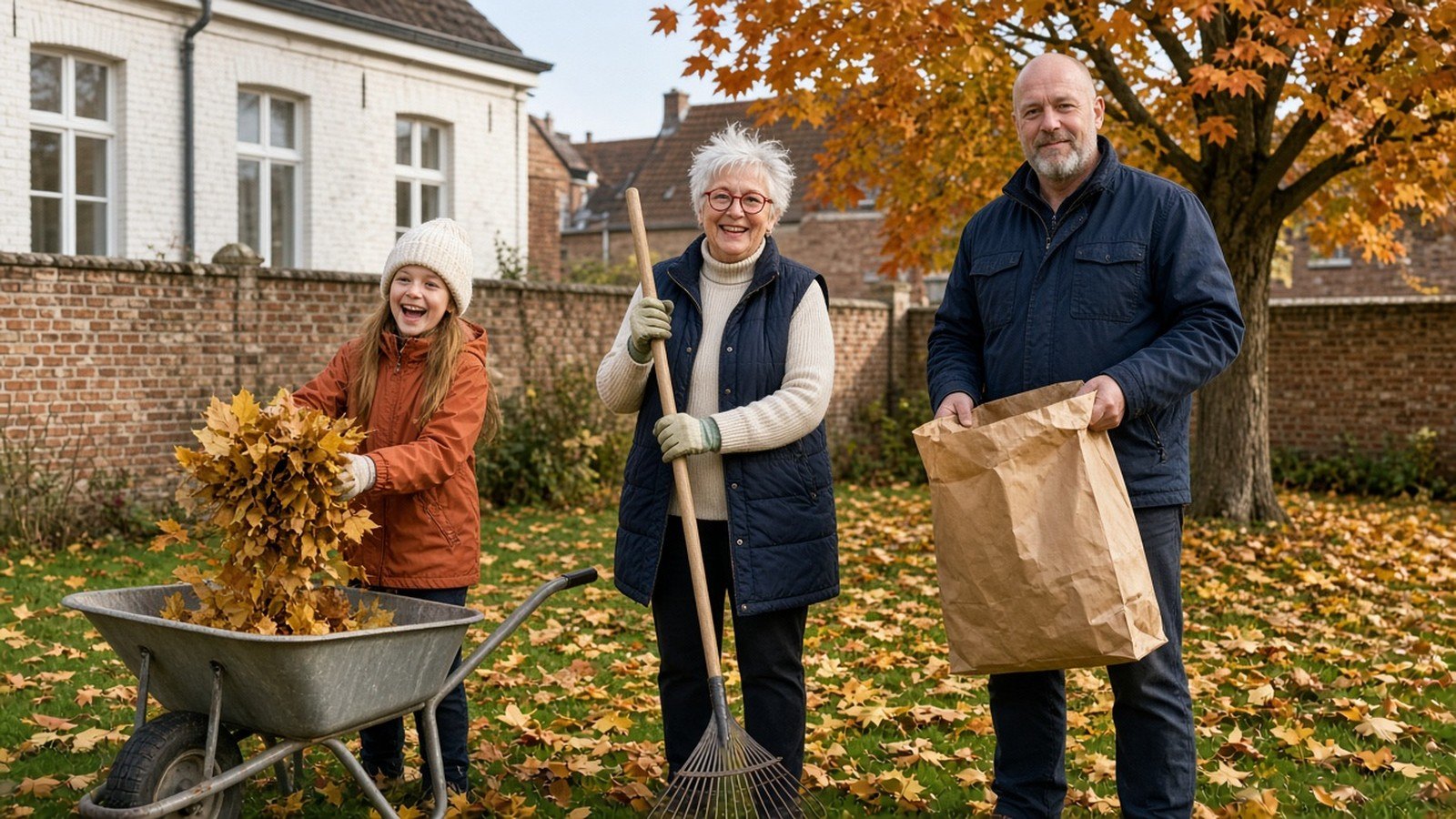
Gardening in autumn: raking leaves takes more energy than walking at 5 km per hour
General information, not medical advice. If you have back, heart or joint problems, build up garden work gradually and ask your GP or physiotherapist for advice if in doubt.
Gardening in autumn is more than a chore that needs doing. Raking leaves, weeding and mowing the lawn one last time count as real exercise. That is clear from the MET values in the Compendium of Physical Activities and from the explanation of moderate-intensity activity by the Flemish institute Gezond Leven. Below you can read what that means, what research says about gardening and your health and how to spare your back.
Gardening in autumn: how much effort it takes
Effort is often expressed in METs. According to Gezond Leven, 1 MET corresponds to the energy you use at rest. Moderate-intensity activity has a MET value of 3 to 6. The higher the number, the more energy an activity takes.
The Compendium of Physical Activities is an international list of the energy cost of activities. Raking the lawn or leaves with moderate effort is listed at 4.0 METs. Gezond Leven also gives raking in the garden 4.0 METs and mentions it as an example of moderate-intensity activity in daily life. In the same table, walking at 5 kilometres per hour comes to 3.5 METs and calmly climbing the stairs to 4.0 METs. Raking therefore takes more energy than walking at that pace and as much as calmly climbing the stairs.
Other garden work counts too, although it varies by task. The Compendium gives gardening in general 2.0 METs, gardening with moderate effort 3.8 METs, weeding with moderate effort 4.5 METs and mowing with a walk-behind power mower 5.0 METs. Light garden work therefore stays below the moderate-intensity threshold, while raking, weeding and mowing fall within it.
You can tell for yourself whether you are working at moderate intensity. According to Gezond Leven, you breathe faster, your heart beats faster and you can still talk, but singing a song becomes harder. That resembles zone 2, a calm endurance pace at which you can just about keep up a conversation. Garden work also fits the advice to sit less.
What research says about gardening and your health
In a 2017 meta-analysis, a study that pools the results of earlier studies, Soga and colleagues combined 22 case studies. Gardening was linked to favourable health outcomes, such as less depression and anxiety, a lower BMI (the ratio between weight and height) and greater life satisfaction. The average effect was 0.42. The researchers did find signs of publication bias. This means that studies with a favourable result are published more often, which can make the picture look too rosy. After correction, the effect remained. A link also does not tell you what is cause and what is effect.
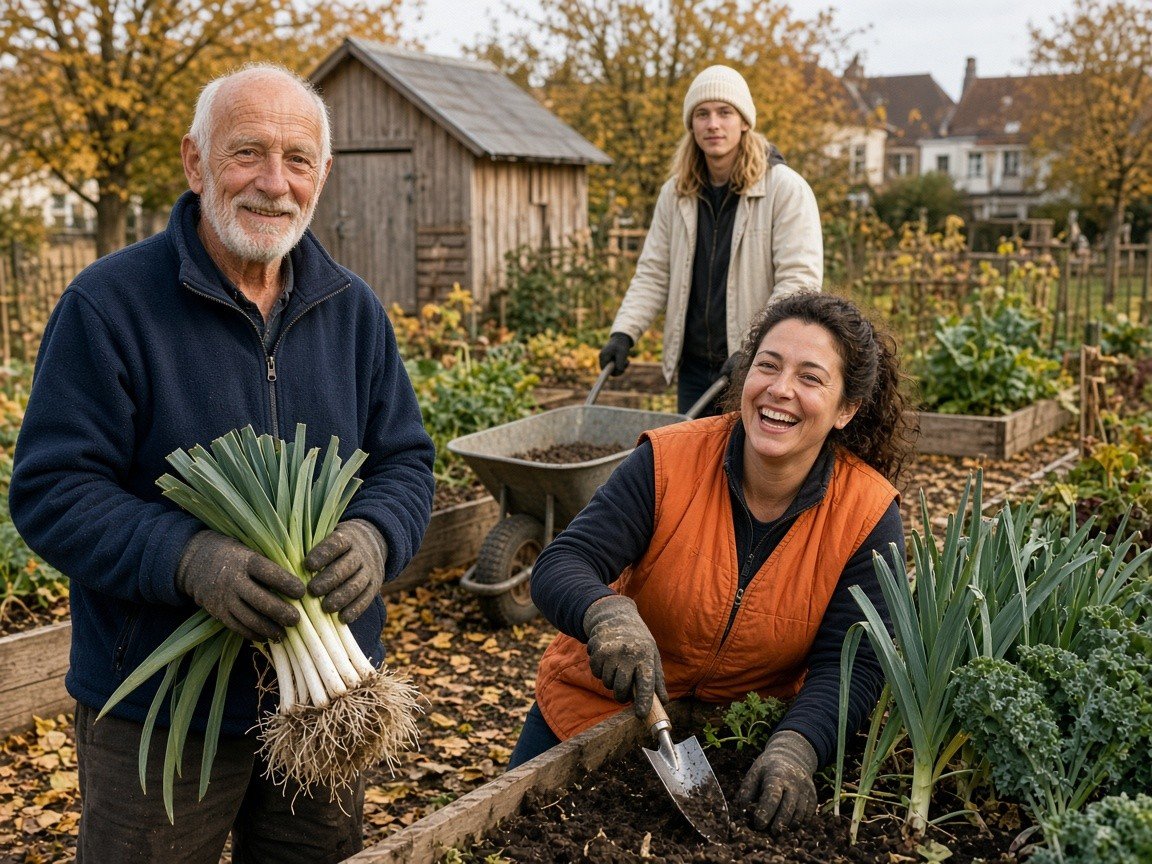
In a randomised trial, in which a draw decides who goes into which group, Litt and colleagues divided 291 adults in the United States into two groups in 2023. Those who were given a plot in a community garden ate on average 1.41 grams more fibre per day than the control group. They also did 5.80 minutes more moderate to vigorous activity per day, although that difference was not statistically certain. The researchers found no effect on BMI, waist circumference or fruit and vegetable intake. Stress and anxiety did fall more in the garden group.
So gardening is not a miracle cure. It is, however, a realistic way to move more.
How to spare your back when raking
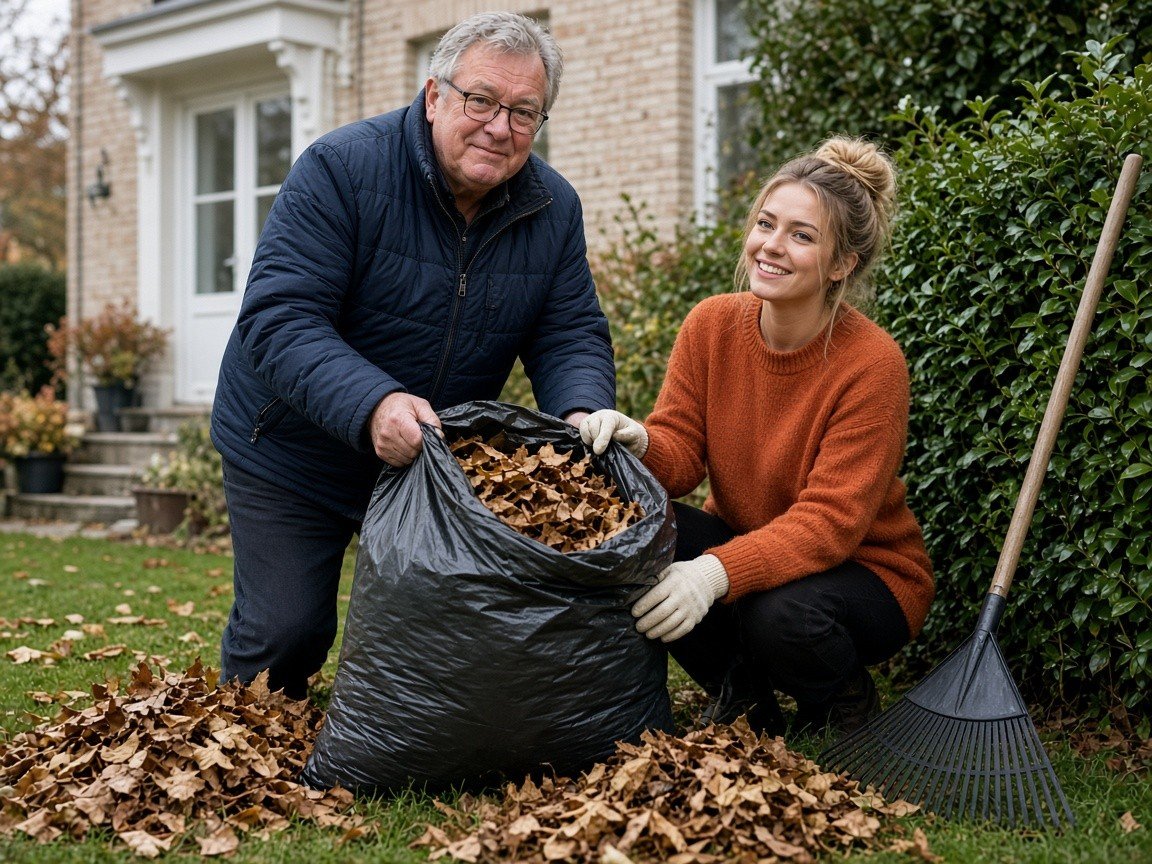
Raking involves repeated movements. As a general guideline, it helps to:
- warm up with a short walk around the garden before you start;
- choose a rake with a long handle, so you can stay upright;
- work from your legs and shift your weight instead of twisting from your lower back;
- alternate between raking, weeding and sweeping;
- bend your knees when you lift a bag of leaves;
- take regular breaks and stop when your back gets tired.
If you want to strengthen the muscles in your legs and trunk, strength training for beginners offers a gentle start. Garden work is also just one way to exercise outdoors in autumn and winter.
Sources
- Compendium of Physical Activities. Lawn & Garden (2024 Adult Compendium). 2024.
- Herrmann SD, Willis EA, Ainsworth BE et al. 2024 Adult Compendium of Physical Activities: A third update of the energy costs of human activities. Journal of Sport and Health Science, 2024.
- Vlaams Instituut Gezond Leven. Wat is matig intensief bewegen? Accessed October 2026.
- Soga M, Gaston KJ, Yamaura Y. Gardening is beneficial for health: A meta-analysis. Preventive Medicine Reports, 2017 (meta-analysis).
- Litt JS, Alaimo K, Harrall KK et al. Effects of a community gardening intervention on diet, physical activity, and anthropometry outcomes in the USA (CAPS): an observer-blind, randomised controlled trial. The Lancet Planetary Health, 2023 (randomised trial).