
Social contact in your daily routine: small habits that count
Social contact goes hand in hand with better health. What the WHO and a large meta-analysis say about loneliness, and why small regular habits do more than big plans.

Social contact goes hand in hand with better health. What the WHO and a large meta-analysis say about loneliness, and why small regular habits do more than big plans.
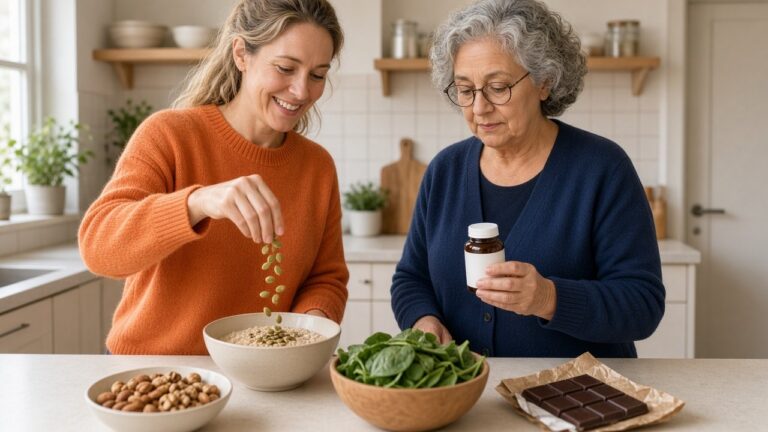
Magnesium is found in many everyday foods. How much you need according to EFSA, what research says about muscle cramps and where the upper limit for supplements lies.

Your resting heart rate is easy to measure and says something about your fitness and recovery. How to measure reliably, what counts as normal and when a rising value deserves attention.

If you work night shifts or start very early, your body clock works against you. What research says about the effects and how light, caffeine and a dark bedroom help you rest better.

Even without meat or fish, getting enough protein is easy. Which sources to combine, what the Belgian Superior Health Council advises and why vitamin B12 needs attention on a fully plant-based diet.

Even when it gets colder and darker, exercising outdoors pays off. What daylight does for your body clock, why vitamin D is a different story in winter and how to dress for it.
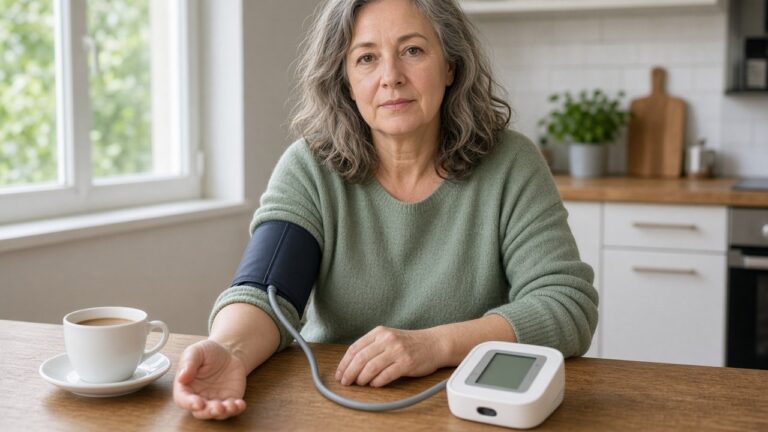
Coffee raises your blood pressure a little, but less than often thought. What studies on caffeine and blood pressure show, how to measure reliably at home and when to skip the coffee.
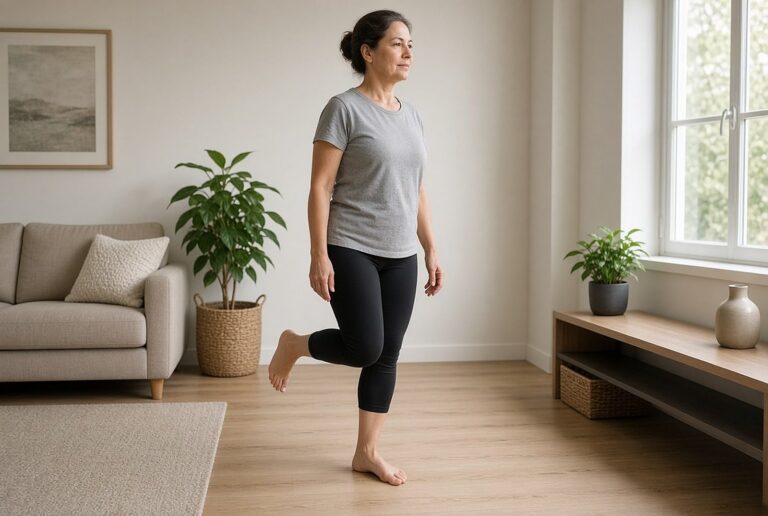
A fracture later in life often starts with a fall. How weight-bearing exercise supports your bone density, how much calcium EFSA recommends and which exercises best prevent falls.
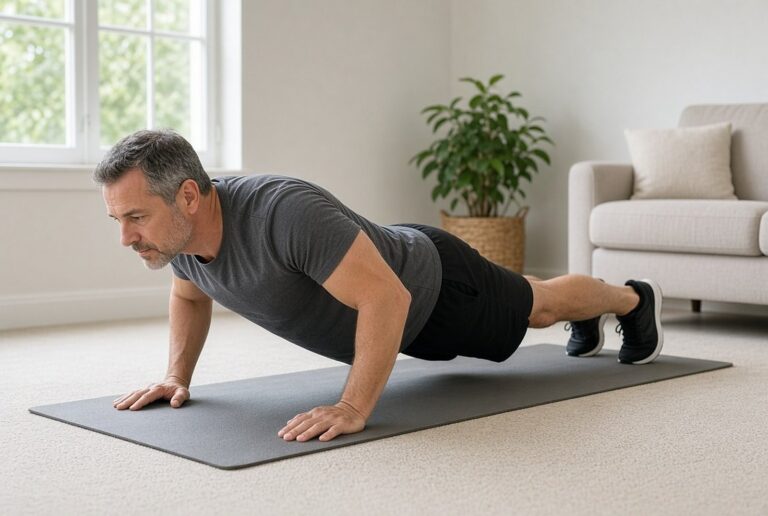
Already walking or running regularly? Strength training is the logical next step. What the WHO recommends, which exercises you can do at home and how to make them gradually harder.
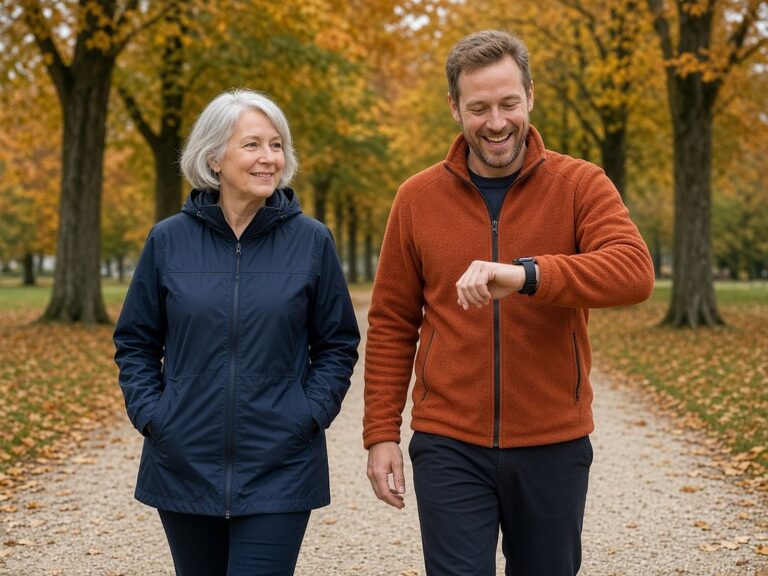
The goal of 10,000 steps a day started as marketing for a Japanese pedometer. What large studies now say about fewer steps, walking pace and breaking up sitting time.
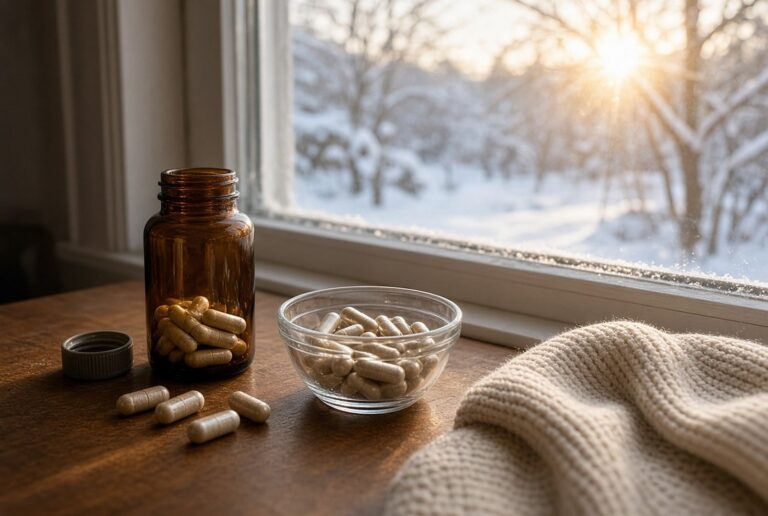
In a Belgian winter your skin makes almost no vitamin D. What a blood test tells you, how much EFSA considers adequate and where the safe upper limit lies.
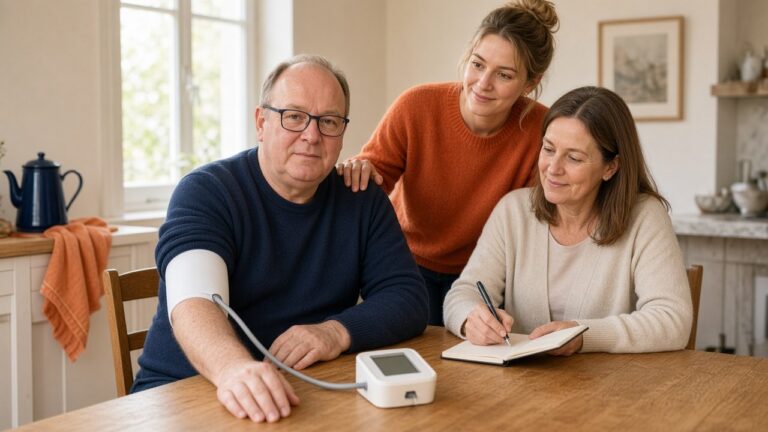
High blood pressure usually goes unnoticed. Here is how to choose an upper-arm monitor, measure for a week following the European guideline and know what counts as high at home.