
Premium brand or store brand supplements? Same dose, same basic effect
Brand name is not magic. Same compound and dose ≈ same effect. Compare label, form and price per gram — not the glossy tub.
Before you buy, read the label — not the ad. I put claims, doses and brands side by side and tell you straight when the evidence is thin.
Sometimes a supplement makes sense. Often your plate simply wins.

Brand name is not magic. Same compound and dose ≈ same effect. Compare label, form and price per gram — not the glossy tub.

Powder is a gap-filler, not a must. Check for ~20–30 g protein per serving and little sugar. Whey vs plant briefly explained — literacy without brands.

For most gym and walking sessions, water is enough. Electrolytes belong to long or very sweaty efforts — no pink powder for every indoor set.
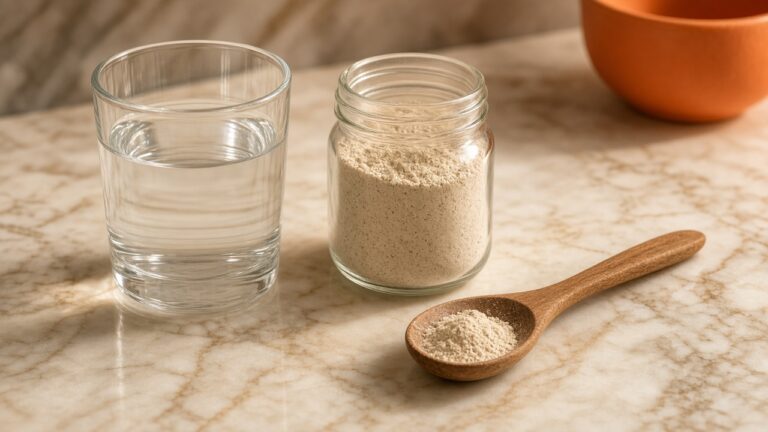
Psyllium can help satiety and fibre intake, with water and a gradual build-up. Not a medication replacement: limits, bowel disease/medication → doctor, food first.
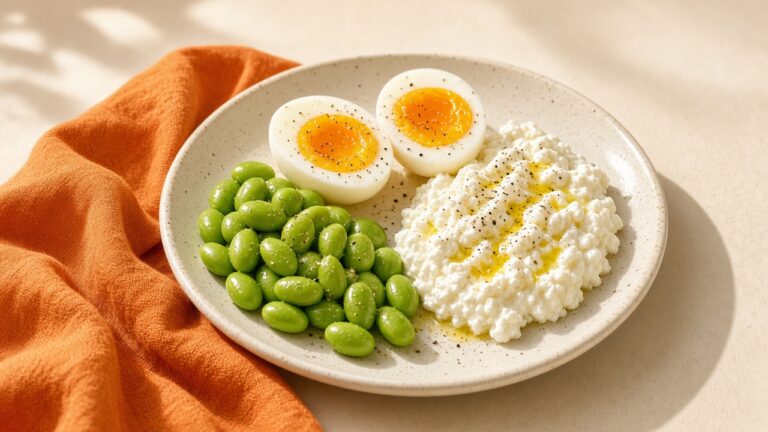
Leucine matters for muscle protein synthesis, but it already sits in normal protein-rich meals (~25–30 g protein). For most recreational athletes, separate leucine powder is unnecessary.

Leucine shots, recovery drinks, ‘anti-aging’ jars: five questions that puncture marketing. Literacy with limits — not purchase advice.

The front is sales talk. The back lists milligrams, % RI and sometimes a blend without clear doses. Here is how to read the label.
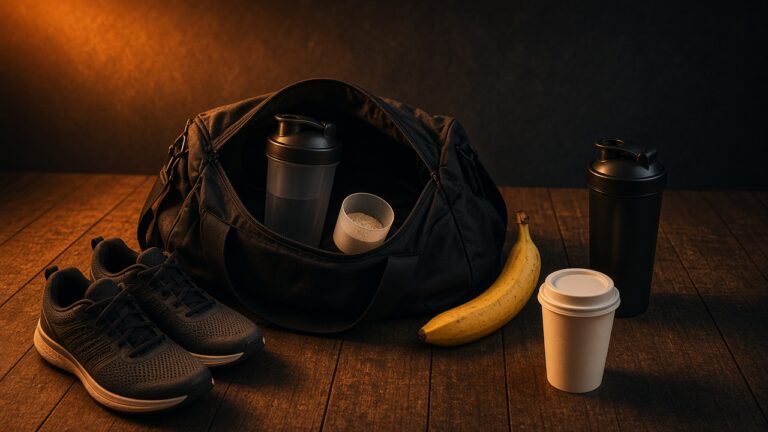
What is often in pre-workout? Caffeine, beta-alanine, citrulline and more — when yes, when not, limits for sleep and palpitations. No SKU pitch; not everyone benefits.
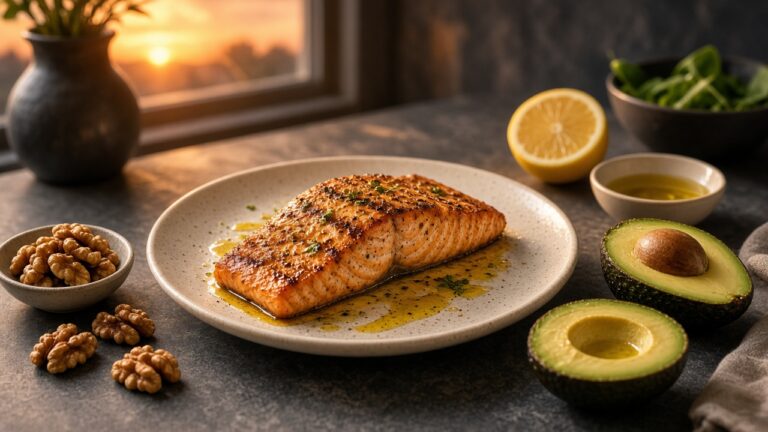
EPA and DHA are more than a cholesterol slogan. Food first (oily fish), supplements in context — with the EFSA safety frame and realistic limits.
Magnesium is essential, but not an automatic cramp fix for the gym. Food first; supplements only in context — with EFSA limits.

Creatine is well studied for strength; vitamin D mainly relevant in deficiency during low-UVB winters. Literacy first, no dosing sermon.