
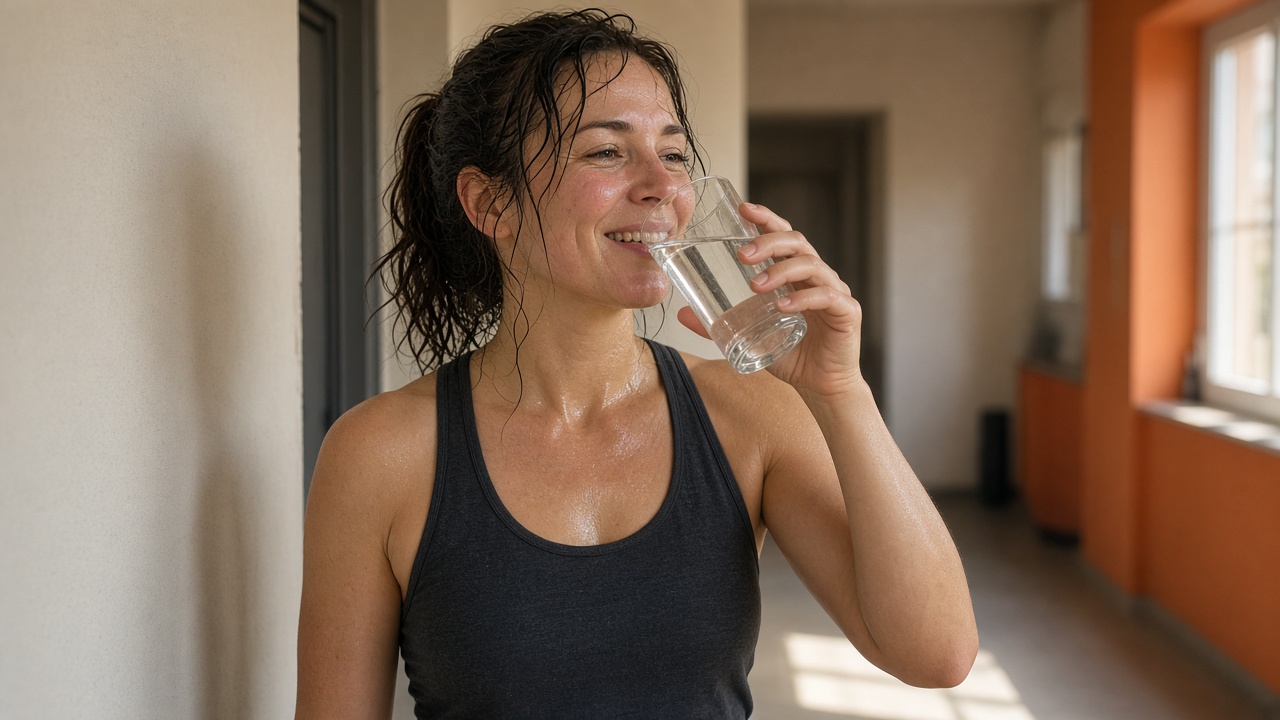
Electrolytes or water? When tap water is enough after the gym
TLDR
- For most gym sessions and walks, water is enough — electrolyte drinks are not a standard upgrade.
- Electrolytes yes: long/very sweaty exercise, heat, or heavy salt losers; no: every hour of indoor strength training.
- Too much “sports drink” without need is mostly sugar/marketing; drinking too little remains the bigger mistake.
- See hydration & electrolytes and magnesium literacy.
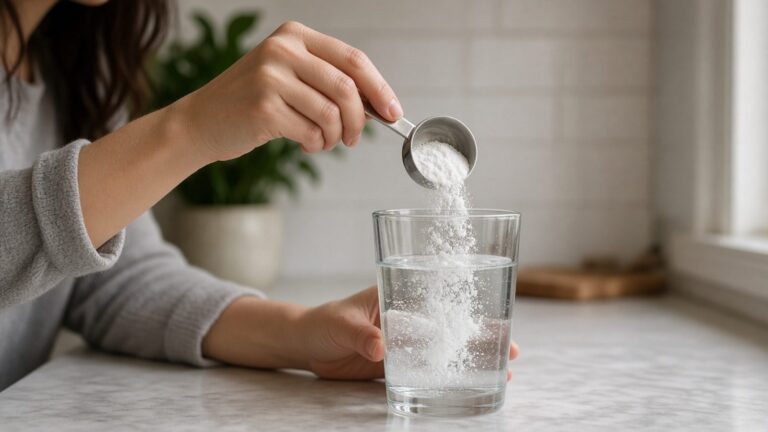
After De Gendt-style sports supplement roundups and glossy electrolyte reels, tap water suddenly seems “not enough”. Shakers of pink powder promise cramp-free performance. As a practitioner, I simply drink water after a normal strength session — and I’ve also done summer rides where salt tablets did make a difference. Some perspective: electrolytes compensate for sweat losses; they are not pre-workout light for every indoor session.
Water first — when that’s enough
For sessions up to about an hour, at moderate intensity, in a cool or indoor environment, and with normal (salted) meals, water is the foundation. Your sodium and potassium status depends heavily on your diet; a recreational Belgian work week with soup, sandwich fillings and an evening meal usually provides enough electrolytes for a standard gym visit.
Thirst, urine colour (light yellow) and how your head feels remain better signals than an influencer schedule of “always tabs”. Our earlier piece on hydration & electrolytes remains the hub; here Engy zooms in on the “electrolytes or water?” hype.
When electrolytes do make sense
- Long and/or very sweaty: >60–90 minutes hard, outdoor heat, or visible salt on clothes/skin.
- Race/long outing: trail, long ride, tournament with several heats — plan sodium, not just litres of water.
- Low appetite + lots of fluid: only water without salt can raise hyponatraemia risk at extreme volumes — rare, but relevant in ultra-endurance.
When not / limits
- Not for every 45′ strength session: indoors, air conditioning, normal lunch — water + a salty meal is usually enough.
- Not a cramp guarantee: cramps have several causes (fatigue, pacing, sometimes electrolytes). Powder doesn’t fix poor progression.
- Sugar check: classic sports drinks are useful during long endurance efforts; for a walk they are often unnecessary calories.
- Magnesium ≠ electrolyte drink: a separate story — see magnesium for athletes; don’t throw everything into one scoop.
Practical, without the hype
Start with water around training. Add electrolytes if the session is long/hot or if you have a history of losing a lot of salt. A normal meal with soup, cheese or salted vegetables afterwards often does more than an expensive tab after 40 minutes of bench pressing. ACSM/ISSN-style hydration guidelines (framed for Belgium/the EU: no American “gallon challenge”) still apply: drink to thirst + context, don’t force litres.
Practical Engy tip
Make a simple rule: indoors <60–75 min → water. Outdoor heat or long endurance sport → water + an electrolyte plan. No pink powder “for the vibe”.
Recommendations in bullets
- Water is the default for the gym and walking.
- Electrolytes for long, hot or heavy sweating — not as a status symbol.
- Get salt from meals; supplements are a top-up.
- Avoid sugary “sports” drinks without an endurance stimulus.
- Read on in the hydration hub; assess magnesium separately.
Sources (selection)
- HLN / sports doctor supplement roundups (including the De Gendt context) — inspiration; put claims into perspective.
- ACSM / ISSN hydration position stands — fluid and electrolytes by duration/intensity/environment.
- EFSA / general nutrition frameworks — sodium via food; avoid excessive supplement hype.
- Engy: hydration-electrolytes-training, magnesium literacy.




One Comment