
A cooler bedroom in autumn: what I try (not a medical prescription)
When the heating comes on, my bedroom gets too warm fast. What sleep research roughly says about a cooler room, and what I test in autumn without a medical prescription.
You don't get stronger during the session — you get stronger after it. Sleep is the biggest lever, and the most underrated one.
I test what ice baths, foam rollers and recovery scores really do, and when you're better off just going to bed an hour earlier.
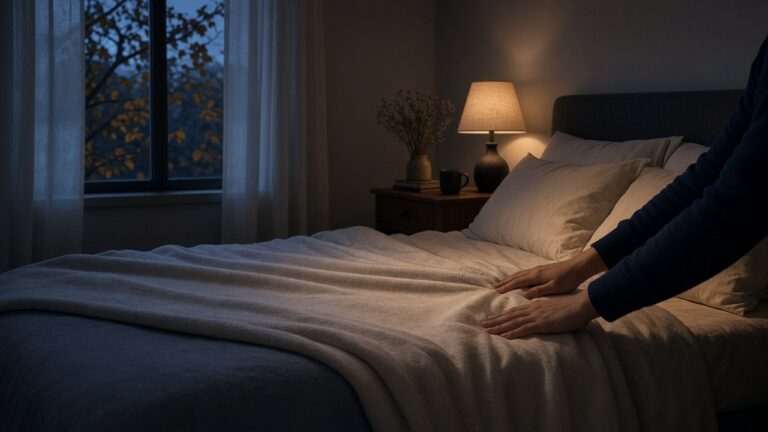
When the heating comes on, my bedroom gets too warm fast. What sleep research roughly says about a cooler room, and what I test in autumn without a medical prescription.
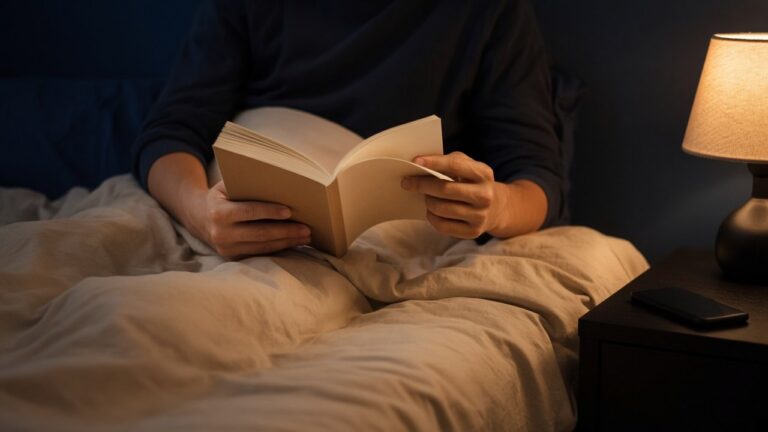
Swapping the last half-hour of scrolling for a book or warm e-reader: what I notice, what evening light does to melatonin, and why not everyone benefits.
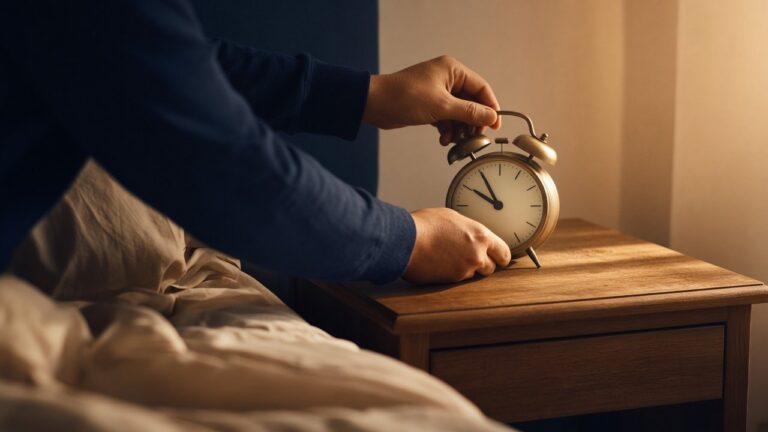
On Sunday 25 October the clocks go back an hour. An extra hour of sleep? Not always. What happens to your body clock and how I keep the transition smooth.
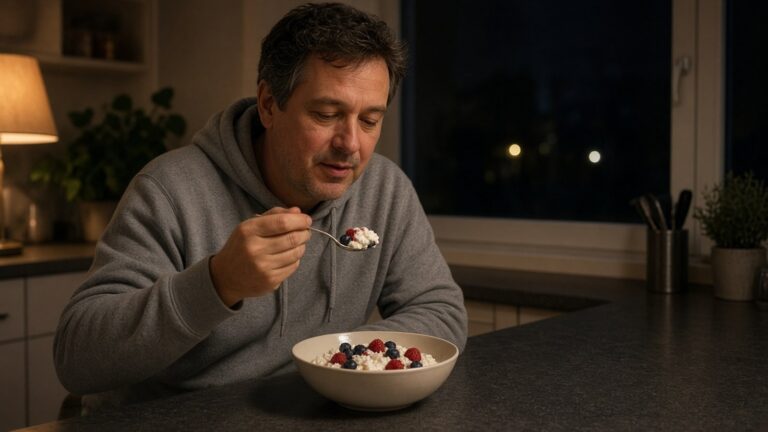
On training days I often have some quark before bed. I looked into what the research says about pre-sleep protein and muscle recovery.

Training after work and still sleeping well? According to research, moderate evening exercise usually does not harm your sleep. Only very intense effort right before bed can delay falling asleep.
Social jetlag: sleeping in too hard on weekends shifts your rhythm. I stick to ±1 hour and morning light — rather than “catching up” until noon.

I put open loops briefly on paper before bed — not therapy, just less ruminating. Pairs with screen cutoff and consistent sleep times.

A warm bath or shower before bed can help you cool down afterwards and fall asleep more easily — I pair it with a cool bedroom, not with spa therapy.
I fall asleep faster when the room is on the cool side. Not an ice-bath bedroom — just a simple temperature nudge next to consistent bedtimes.

No carb-curfew dogma: how evening carbohydrates can support sleep and recovery — and when a heavy plate really gets in the way.

A short walk after dinner can temper peaks and help you wind down — useful, not a wonder fix. Practical without the glucose hype.
It is not only how many hours you sleep that counts, but also when. Read what large studies say about regularity, what social jetlag is and why your wake-up time is the fixed point.