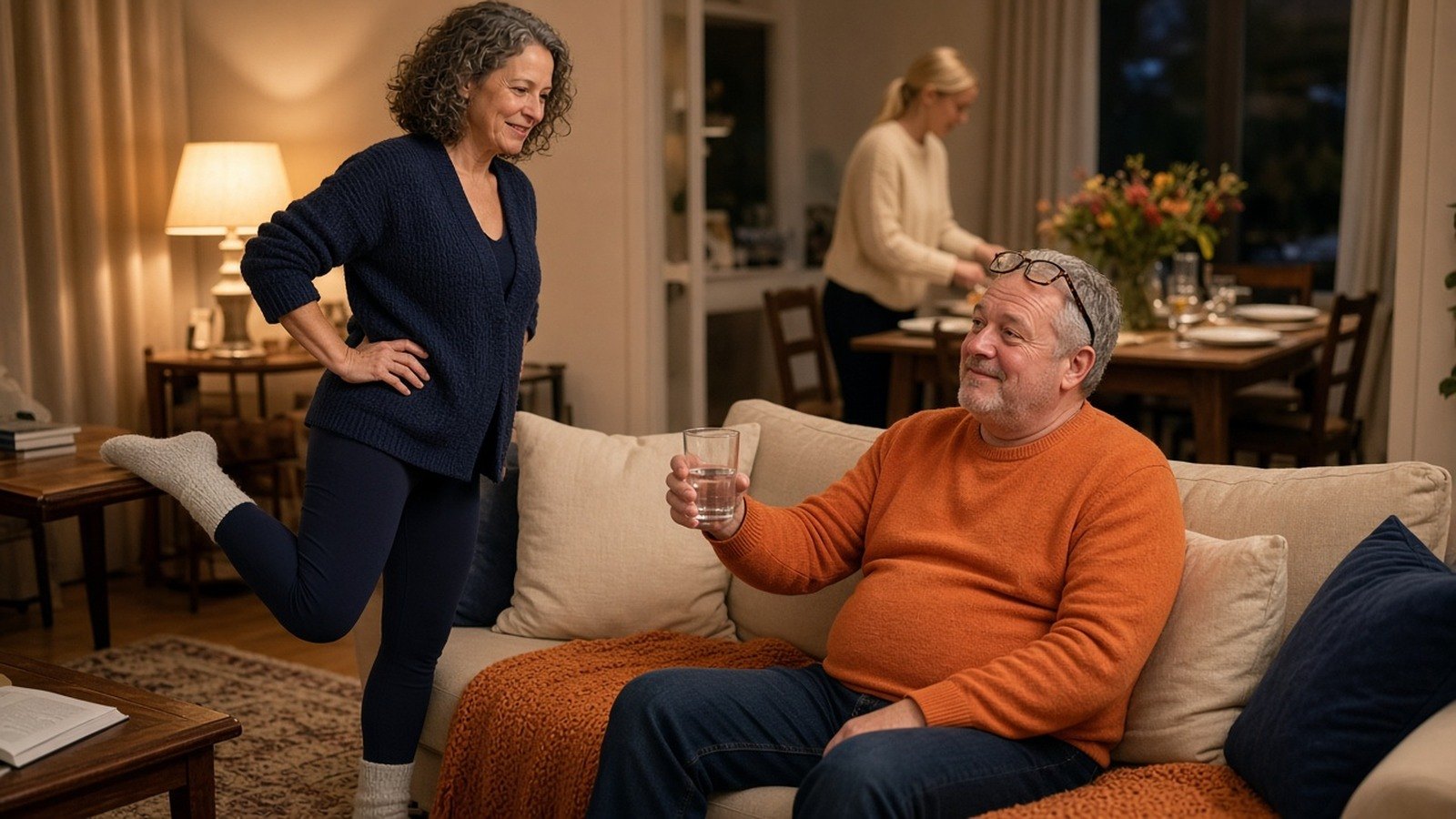
Restless legs: women are affected twice as often, and this is what you can do yourself in the evening
General information, not medical advice. If restless legs keep you awake or bother you during the day, or if you think medication plays a role, discuss it with your GP.
Restless legs cause an unpleasant feeling in your legs that mainly appears in the evening and at night and eases when you move them. About 2 to 5 percent of the population is affected, and women twice as often as men. Below you can read how to recognise it, what may cause it and what you can do yourself.
How to recognise restless legs
The medical name is restless legs syndrome. The feeling is hard to describe. According to CM, a Belgian Christian health insurance fund, people experience it as crawling, tingling, burning, itching or even painful. You get an irresistible urge to move your legs. The symptoms come up when you rest, for example on the sofa after dinner or once you are in bed. Moving your legs makes the feeling ease.
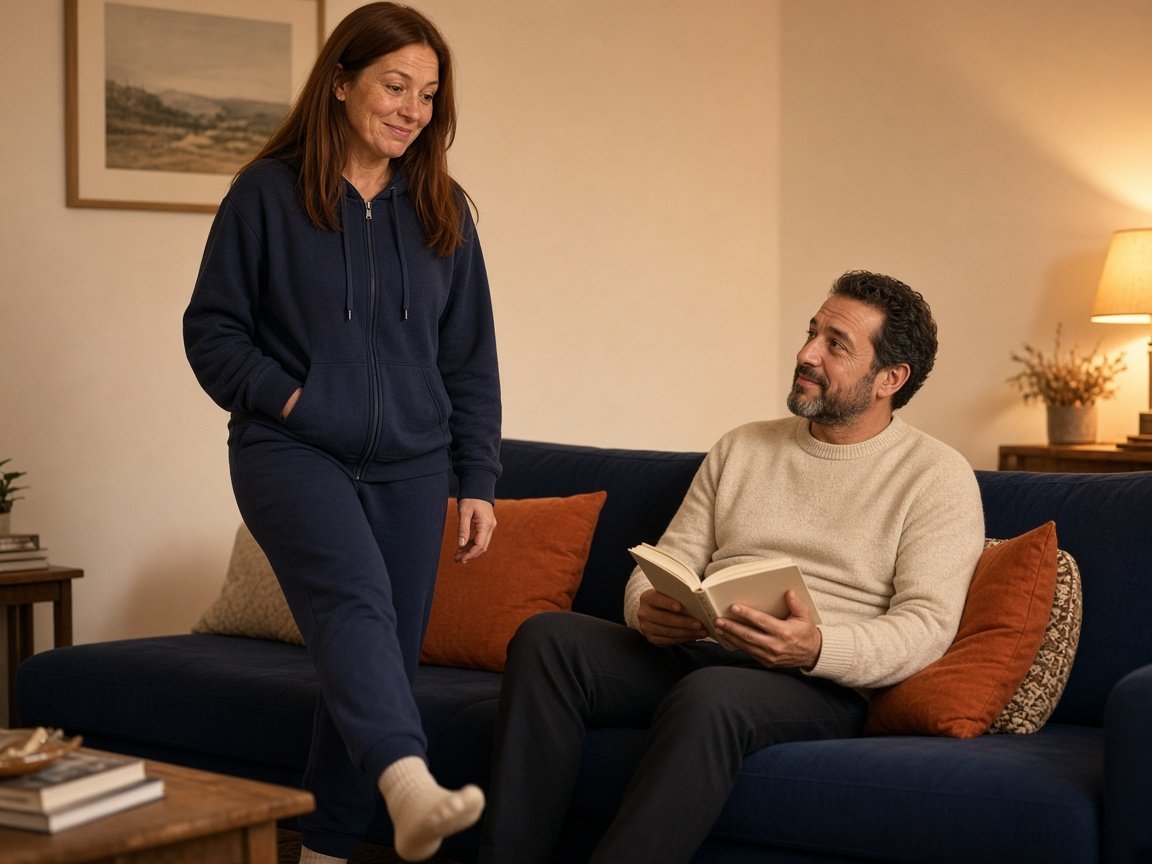
Gezondheid en Wetenschap, the Flemish health website of the Belgian Centre for Evidence-Based Medicine (Cebam), which summarises scientific evidence for the public, writes that the chance increases with age. Symptoms can start at any age, even in childhood, and on average they begin around 27. It is also typical to bend your foot and knee slightly every 20 to 30 seconds during sleep. CM speaks of jerking leg movements during sleep. This can lead to severe insomnia.
Possible causes of restless legs
The cause is usually unclear, but heredity often plays a role. In this familial form, symptoms usually start at a younger age. Sometimes restless legs occur together with another condition, such as iron deficiency, kidney problems, a shortage of thyroid hormones, rheumatism or diabetes. Getting older, medication and pregnancy can also trigger the symptoms. The more pregnancies a woman has had, the greater the chance. The good news: symptoms during pregnancy almost always disappear by themselves after giving birth. Smoking, alcohol, coffee, being overweight and too little exercise can also make the symptoms worse.
What you can do yourself
Often there is little you can do yourself against restless legs, but an adapted lifestyle can reduce the symptoms. Gezondheid en Wetenschap and CM recommend the same habits:
- Do not drink coffee in the evening.
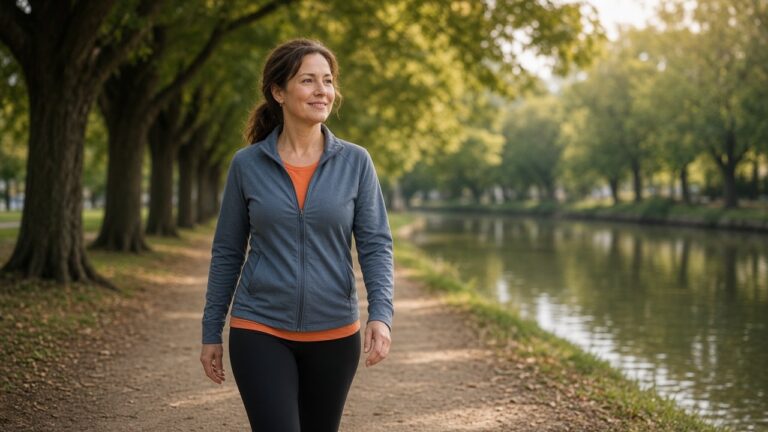
- Move enough during the day, but do not exercise just before going to bed.
- Stop smoking.
- Drink at most two glasses of alcohol a day and preferably not every day.
- Make sure you get a good night’s sleep.
If you want to work on that good night’s sleep, regularity can be a starting point. Why going to bed at the same time every day matters is covered in the article on a regular sleep rhythm.
That moving during the day can help is shown by a small American study from 2006. A draw decided who ended up in the exercise group and who in the control group. 28 participants with an average age of 53.7 started, of whom 23 completed the study. The exercise group followed a programme of aerobic exercise and leg strength training 3 times a week. After 12 weeks, their symptoms had improved clearly more than in the control group. It is a small study, so larger studies still need to confirm this.
What your GP can do
If your GP suspects restless legs, they listen to your symptoms, examine your legs and take a blood sample to check your iron level, your iron stores and your kidney function. If there is an iron deficiency, the doctor prescribes an iron supplement. For restless legs themselves, there is no good treatment according to CM: the existing medicines are not very effective and often have many side effects.
For insomnia, the doctor sometimes prescribes a mild sleeping pill, but these medicines are highly habit-forming. What such medicines offer and why tapering off happens together with your GP is covered in the article on sleeping pills after 65. If you sleep so badly that you function less well during the day, or if restless legs also bother you during the day, both sources advise you to see your GP.
Sources
- Gezondheid en Wetenschap (Cebam). Rustelozebenensyndroom en loopdwang (restless legs syndrome, in Dutch). Last updated on 25 January 2019 (based on the ebpnet.be practice guidelines).
- CM (Christian health insurance fund), Leef magazine. Wat zijn rusteloze benen? (what are restless legs, in Dutch). Accessed in October 2026.
- Aukerman MM, Aukerman D, Bayard M, Tudiver F, Thorp L, Bailey B. Exercise and restless legs syndrome: a randomized controlled trial. Journal of the American Board of Family Medicine, 2006 (randomised trial, United States).