
Protein before bed: does a tub of quark help your recovery?
On training days I often have some quark before bed. I looked into what the research says about pre-sleep protein and muscle recovery.

On training days I often have some quark before bed. I looked into what the research says about pre-sleep protein and muscle recovery.
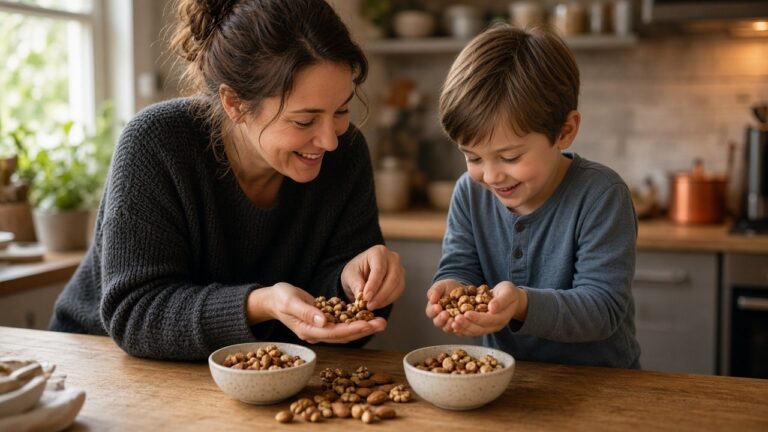
For a long time I saw nuts as something fattening to nibble with drinks. The research tells a different story. This is how I make them a daily habit.
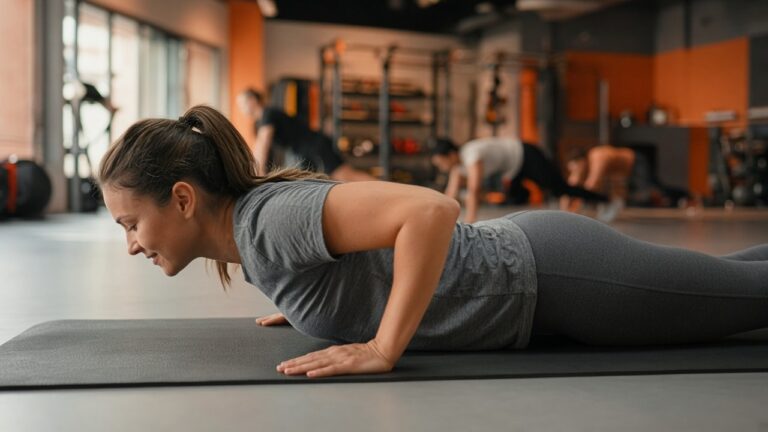
How many push-ups can you do in a row? A free test that says something about your strength. What the research found and how I measure it at home.

Short bursts of vigorous movement in your ordinary day, like taking the stairs at pace. What does the research say, and how do I build them in?

Training after work and still sleeping well? According to research, moderate evening exercise usually does not harm your sleep. Only very intense effort right before bed can delay falling asleep.

That bag of frozen spinach or peas need not come with guilt. Frozen vegetables are often as nutritious as fresh, sometimes even more so. How I get the most out of them.

Longevity escape velocity (LEV) is a thinking frame, not a measurable law: when medical progress would add more healthy years than time passes — plus the mental side of living longer.
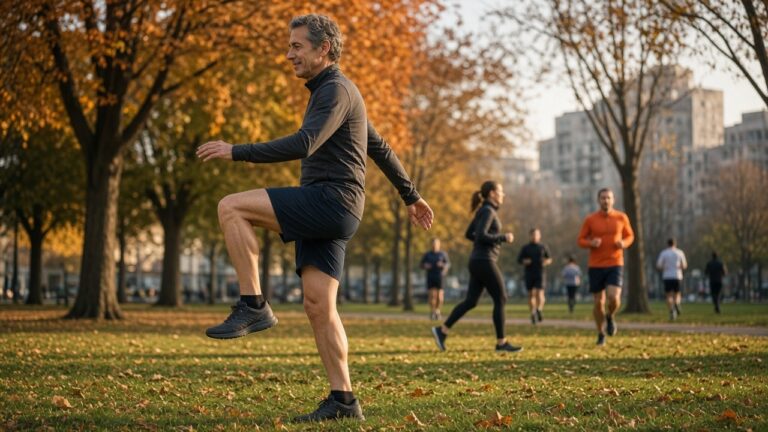
Can you stand on one leg for ten seconds? Balance declines after fifty faster than you think. A few minutes a day keeps it sharp.

I have been doing 16:8 for a month. An easy morning run fasted is fine, but heavy intervals or strength I prefer after a meal. Here is how I handle it.

Social jetlag: sleeping in too hard on weekends shifts your rhythm. I stick to ±1 hour and morning light — rather than “catching up” until noon.

In an active week I keep fermented food simple: yoghurt, kefir or sauerkraut as a fixed portion — not a cleanse, a routine next to training.
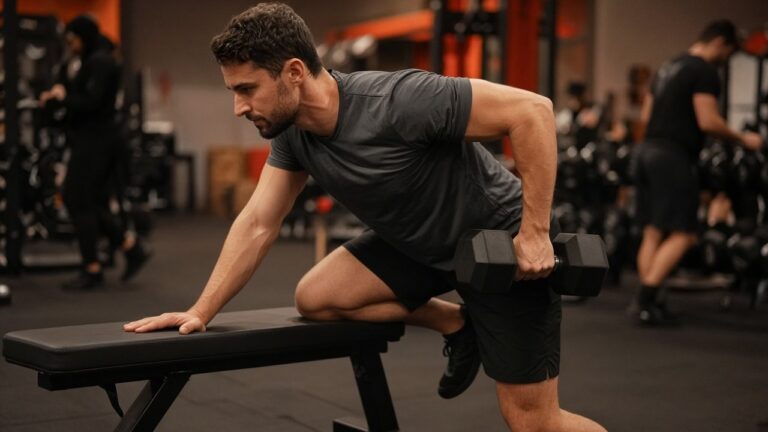
RIR (reps in reserve) helps me stop with 1–3 clean reps in the tank — closer to the stimulus, without pushing every set to failure.