Fruit: how much per day according to the Superior Health Council?
General information, not medical advice. If you have symptoms, discuss them with your GP or dietitian.
Fruit how much per day you eat sits in the Belgian dietary recommendations of 2025 at about 250 grams. The Superior Health Council (SHC) names that amount with preference for fresh fruit, variety and season. The Flemish Institute Gezond Leven translates that into about two pieces of fruit and puts fruit in the dark-green zone of the food triangle.
Fruit how much per day: what is one piece or 250 grams?
Gezond Leven counts one piece as roughly the size of an apple, pear, banana, orange or peach. For smaller fruit they give equivalents: a bunch of about ten grapes, a dessert bowl of berries, two mandarins or kiwis, two handfuls of cherries, or three spoonfuls of fruit puree. Two of those portions bring you near 250 grams.
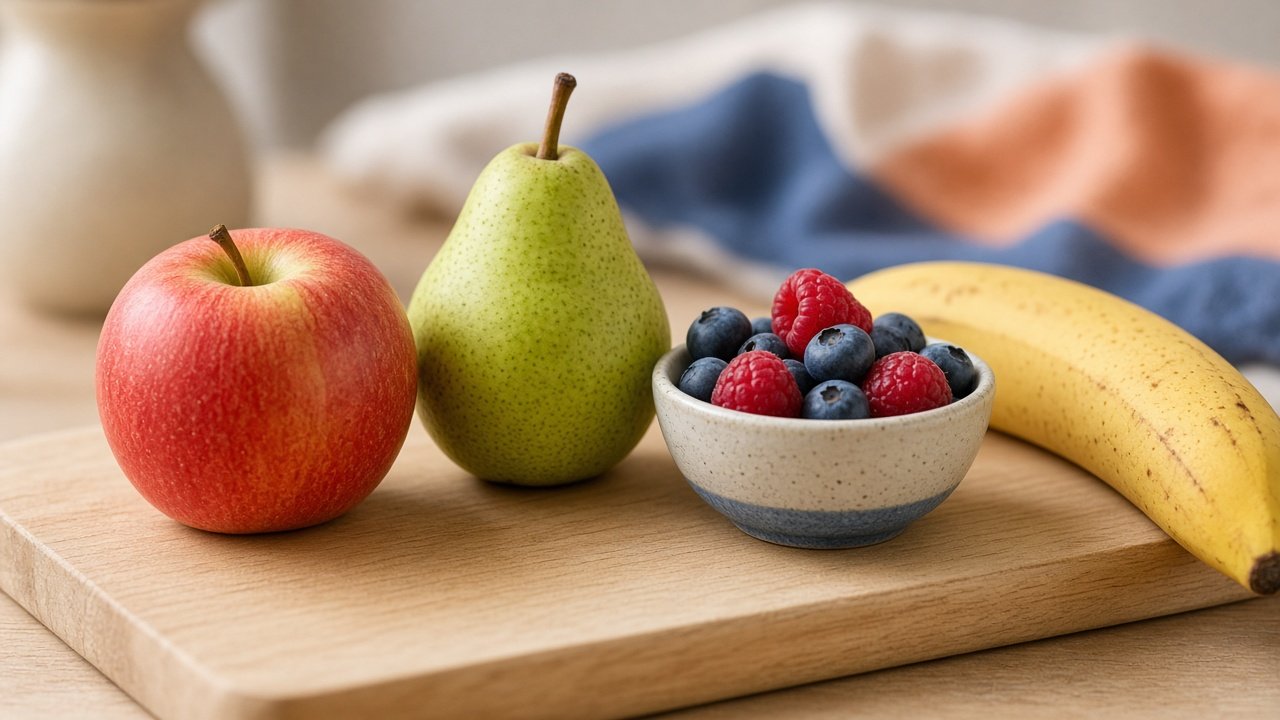
Preference goes to fresh fruit, frozen fruit without additions and fruit from can or jar in its own juice. Fruit in syrup, heavily sugared jam and fruit-juice lemonades sit lower or in the zone you take as little as possible. Dried fruit may, according to Gezond Leven, be eaten in moderation (think a handful), but does not replace fresh fruit.
Why juice is not the same
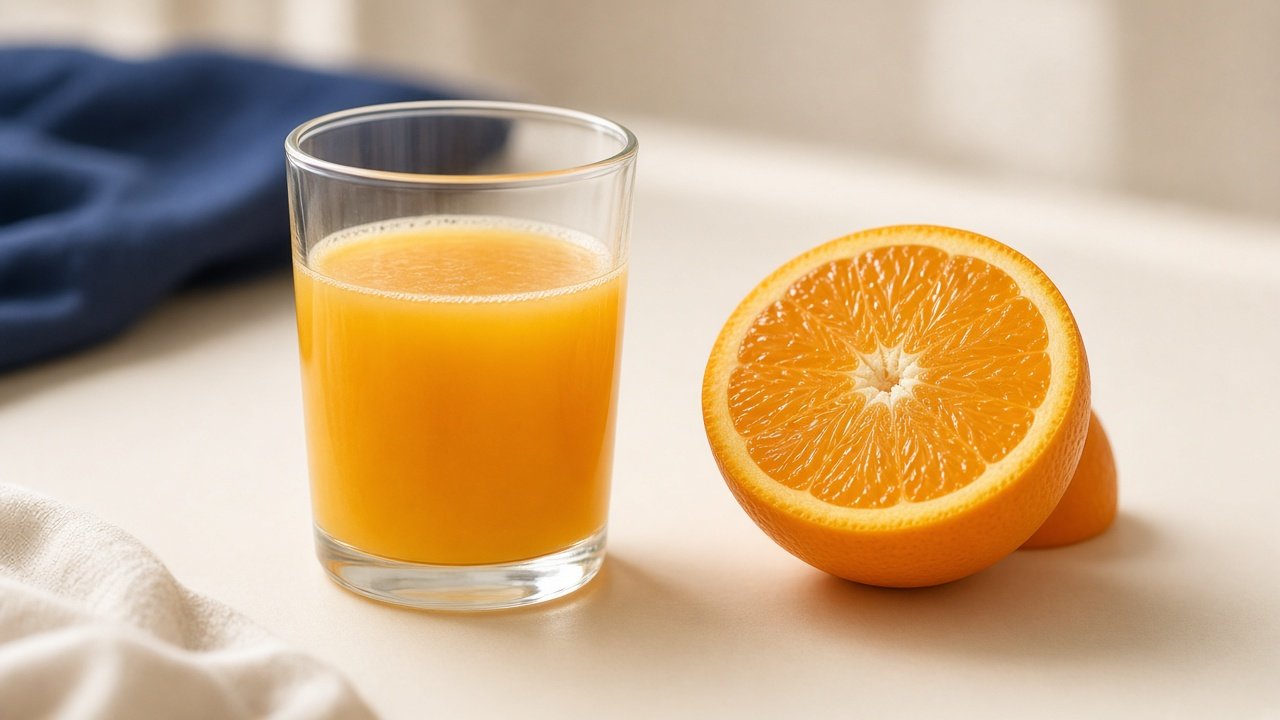
Gezond Leven explains that fruit juice and smoothies deliver fewer fibres and faster sugars than whole fruit. For a 200-millilitre glass of orange juice you already easily use two to three oranges, while one whole orange fills you more. The sugars in juice count as free sugars. That is why juice and smoothies sit in the grey zone, not as a standard replacement for a piece of fruit. If you want to cut soft drinks or juice, you find support in the article on sugary drinks.
How do you fit in 250 grams?
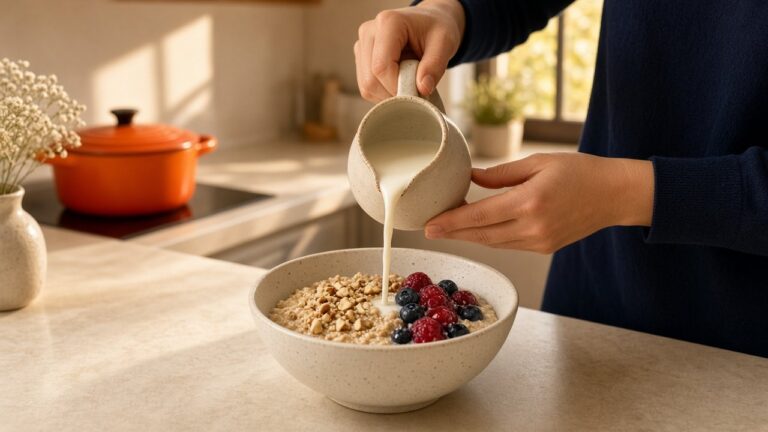
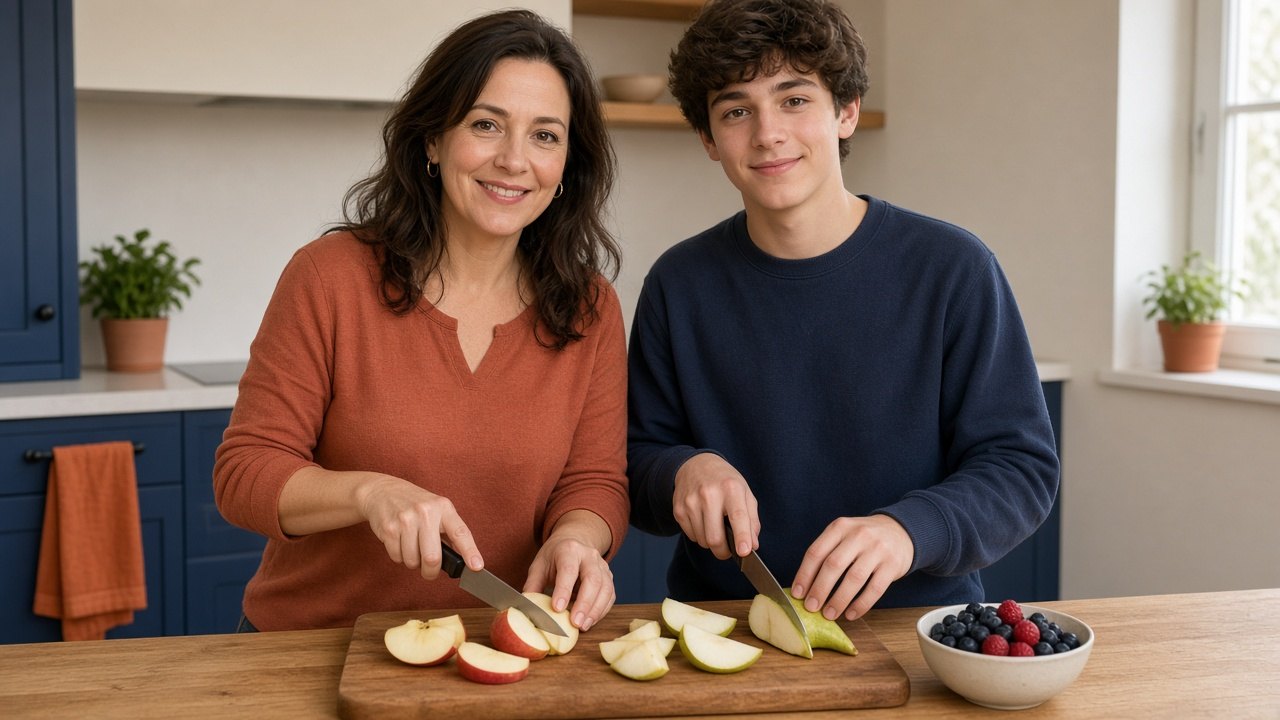
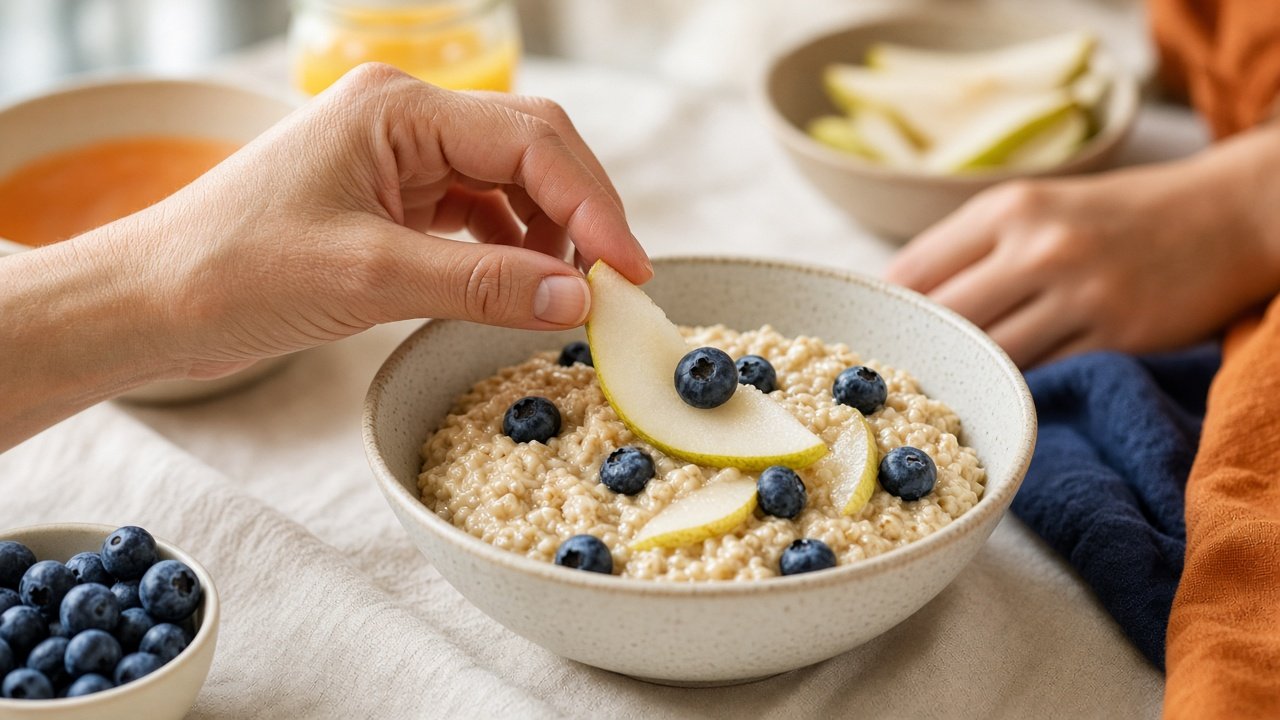
Fruit fits at breakfast, as a snack or as dessert. Gezond Leven suggests putting the fruit bowl in sight and choosing seasonal fruit: often cheaper and tastier. With oatmeal as breakfast, berries or a sliced apple work well. At lunch or the evening meal, fruit can sit next to a bowl of vegetable soup or eggs without becoming a separate “diet moment”.
Gezond Leven notes that a bit more than half of Flemings eat fruit every day, but that portions often stay too small. Young people and adults score worse than toddlers; men on average eat less fruit than women. Scaling up can happen in steps: first one fixed piece a day, then a second moment.
Two pieces of fruit sound little until you notice that many days sit at zero or one. Put fruit where you see it: on the desk, in the fridge at eye level, in the bag for the road. Gezond Leven names that visibility explicitly as a lever. Seasonal fruit in October, such as apples and pears, makes the habit cheaper than imported summer fruit out of season.
Fruit puree without added sugar can cover part of the portion, but three spoonfuls do not automatically replace the fibre structure of a whole apple. The same goes for a handful of dried apricots: handy on the go, easy to overeat, and according to Gezond Leven not a full standard replacement for fresh fruit.
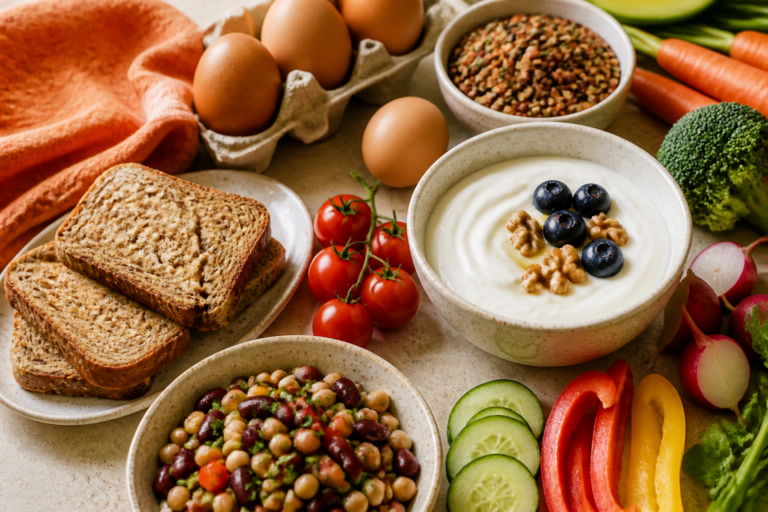
Combine fruit with protein or whole grains if you want to stay fuller longer, for example plain yoghurt or oatmeal. That way you avoid the pattern “only sweet fruit and then hunger for something else”. Stay within the 250 grams as the SHC guideline; more can fit in a varied pattern, but juice remains the weaker route if you count fibres and teeth.
Grapefruit can, according to Gezond Leven, affect how some medicines work; ask your doctor or pharmacist. With diabetes or a strict diet, discuss portions and timing with a dietitian.
Sources
- Vlaams Instituut Gezond Leven. Fruit. gezondleven.be, accessed 16 October 2026.
- Vlaams Instituut Gezond Leven. Aanbevelingen van de Hoge gezondheidsraad met focus op voedingsmiddelen. gezondleven.be, 2025.
- Superior Health Council. Voedingsaanbevelingen voor de Belgische bevolking – 2025. Advice no. 9805-9807, 2025.