
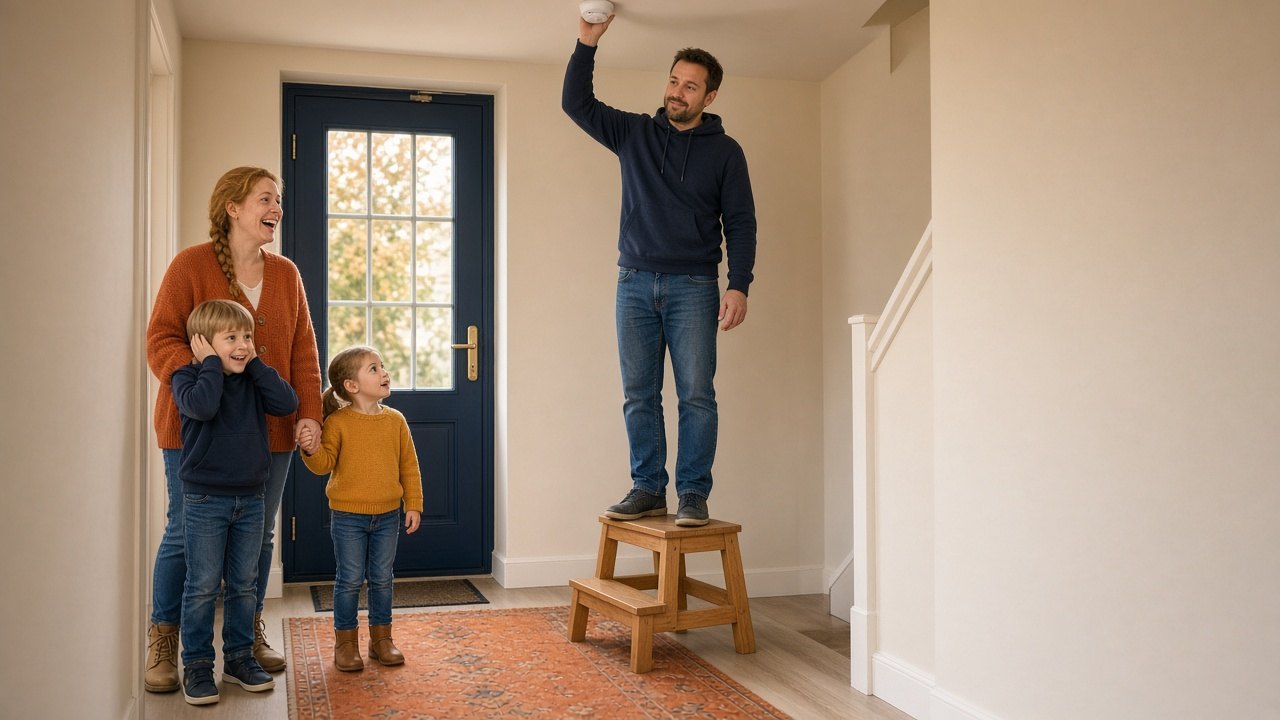
CO detector: why it does not belong in the bathroom, even though half of poisonings happen there
General information, not medical or technical advice. If you suspect CO poisoning, ventilate, go outside and call 112.
According to the Belgian fire service, a CO detector does not belong in the bathroom, even though half of all CO poisonings happen there. The reason is the steam. As the heating season begins, here is where the detector does go, why servicing your heating and chimney matters at least as much and which warning signs your family should know.
What CO is and why it goes wrong more often in winter
CO stands for carbon monoxide, which Gezondheid en Wetenschap, the Flemish medical information website, describes as a dangerous, odourless and invisible gas. It forms when fuels such as coal, wood, oil or gas are burned. With enough oxygen, CO is converted into non-toxic CO2. With too little oxygen, the amount of CO rises to a dangerous level.
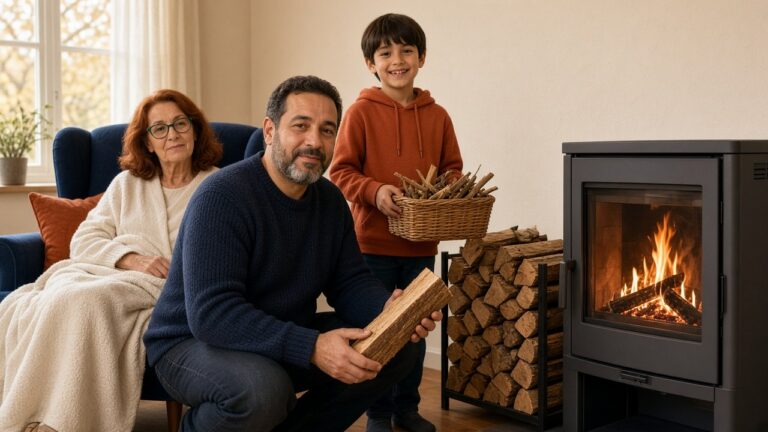
Gezondheid en Wetenschap calls carbon monoxide poisoning the deadliest form of poisoning in Belgium. Each year there are around 800 to 900 victims and about 20 deaths. It happens most often between November and April, the period when people use stoves more.
Having your heating and chimney serviced
The fire service advises having an appliance installed and serviced by a qualified professional. Timely servicing, it says, means having it cleaned and checked every year or every two years. Flues such as the chimney are best checked every year. With gas appliances you can check the flame yourself: a blue flame is good, a yellow flame points to poor combustion. According to the fire service, an old gas water heater with a pilot light is best replaced by a new appliance with built-in safety features.
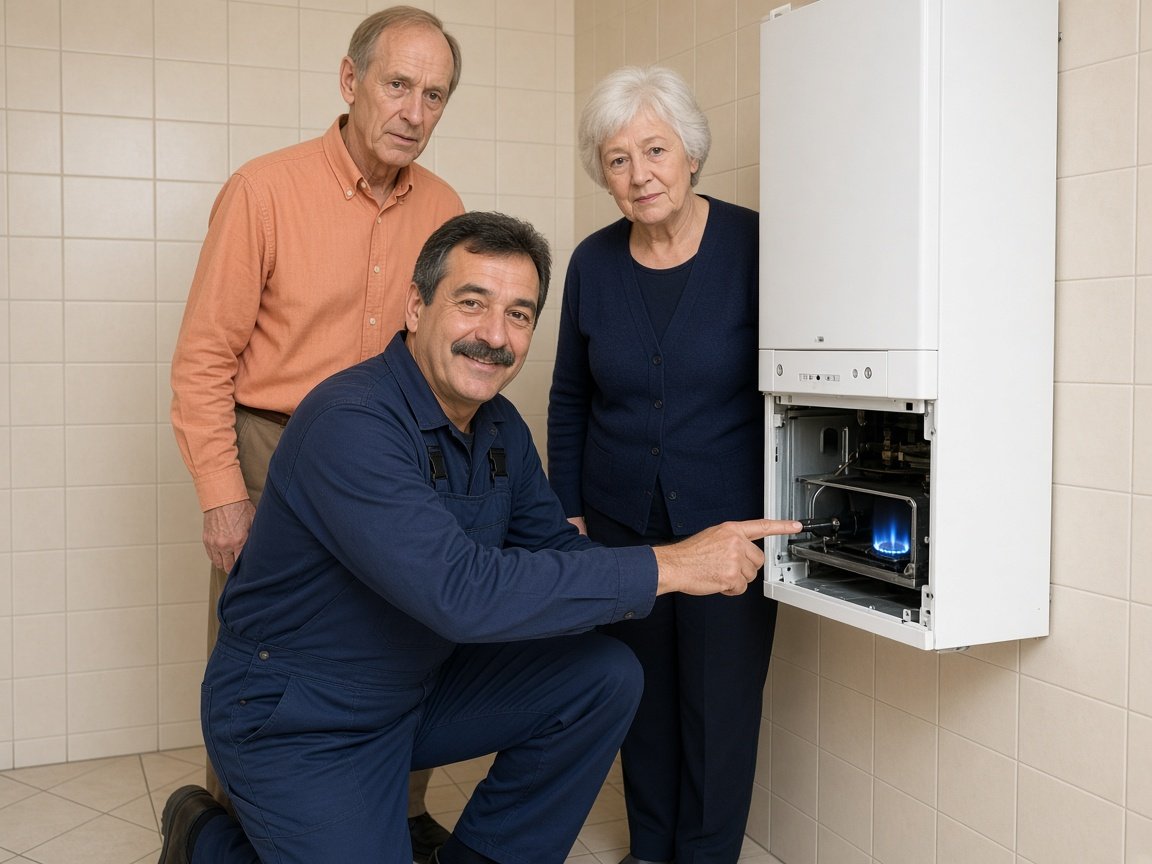
Vlaanderen.be, the Flemish government’s website, advises not to run portable heaters for longer than 10 minutes per half hour and never to barbecue indoors.
Choosing a CO detector and putting it in the right place
Choose a detector that meets the product standard NBN EN 50291 and carries a quality mark such as BOSEC, NF, TÜV, Q-label or VDS. According to the fire service, such a detector costs from 30 euros and most last 5 to ten years.
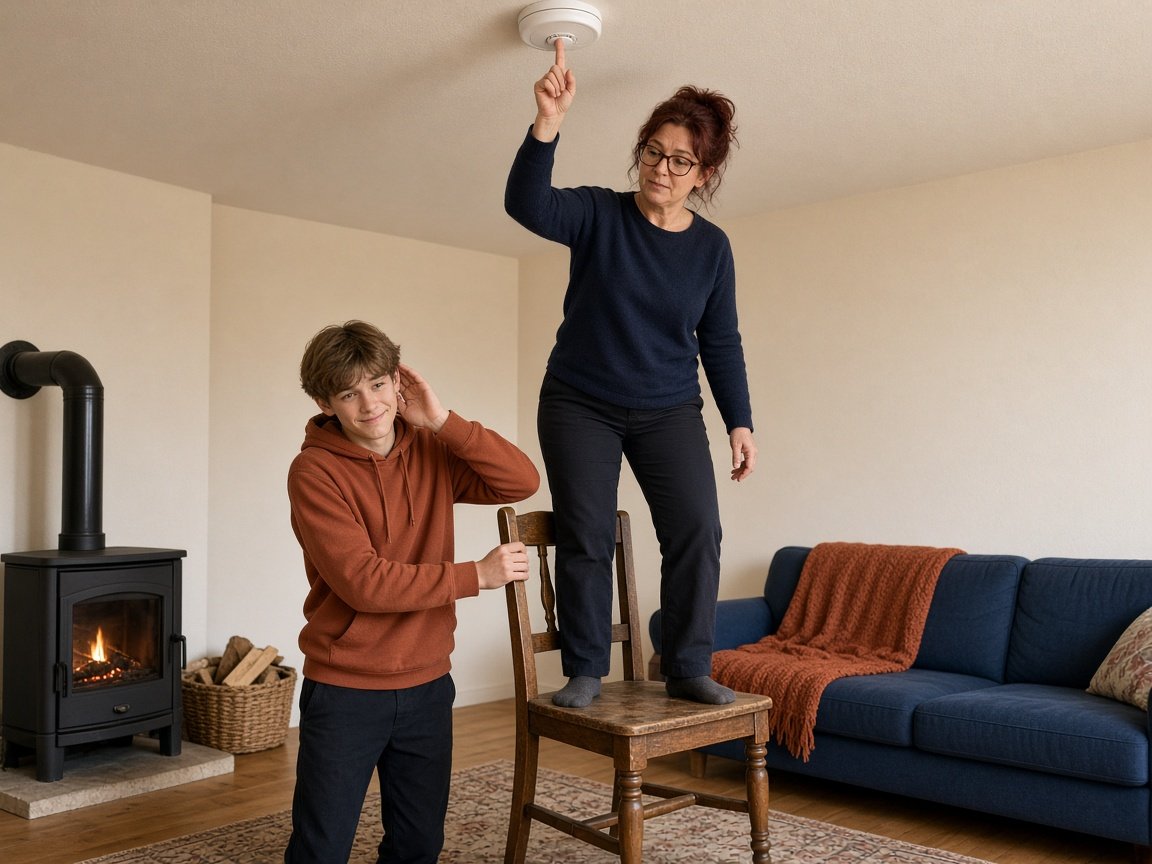
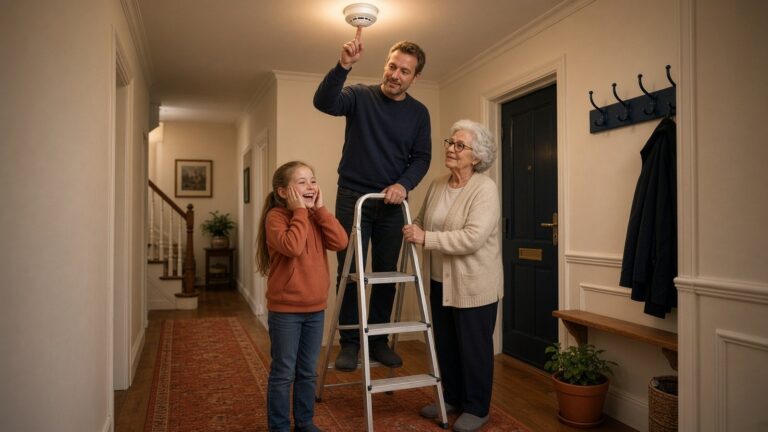
In every room with a combustion appliance, the detector goes in the centre of the ceiling, 1 to 3 metres from the appliance and at least 30 centimetres from the walls. In a room without a combustion appliance where you spend a lot of time, such as the living room, place it at shoulder height, about 1.50 metres. The fire service also recommends a detector in the bedroom, at head height when you are lying down.
Why the CO detector does not go in the bathroom
Because of the high concentration of steam, a detector in the bathroom is not advisable according to the fire service. Place it in the nearest room, such as the hallway or the stairwell. Vlaanderen.be is less strict and writes that a detector in the bathroom needs to be checked more often or replaced sooner.
Test the detector regularly with the test button, ideally with the whole family, so everyone recognises the alarm, and agree on an escape route. According to the fire service, a detector can give a false sense of security, for example if it is badly placed or not replaced in time. So it does not replace servicing and ventilation.
Warning signs and who is more vulnerable
According to Gezondheid en Wetenschap, headache is the most common symptom. Vlaanderen.be lists as warning signs several people having a headache, tiredness, nausea or dizziness at the same time, complaints at a fixed time such as during a bath, a shower or near a paraffin heater, and complaints that ease when you ventilate or go outside. Soot, a lot of moisture and condensation and yellow instead of blue flames are also signs.
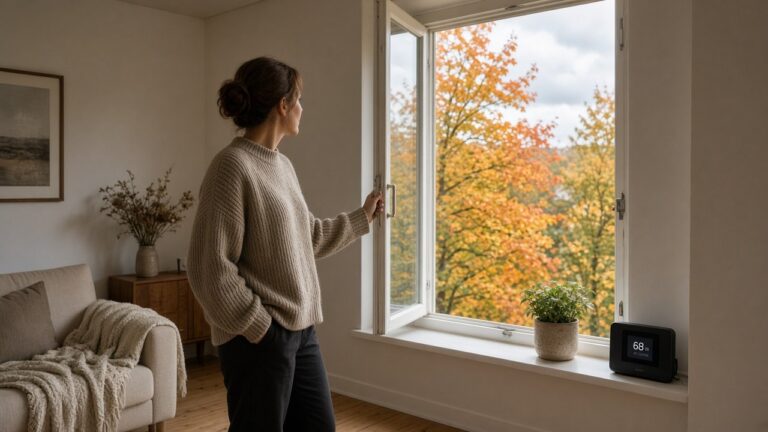
If you suspect a problem, make sure you are not overcome yourself. Never simply walk into a room where someone lies unconscious and do not use switches or a lighter. Ventilate, call 112, switch off the source if you can and get everyone outside.
CO is dangerous for everyone, but according to the Belgian Poison Centre, pregnant women, young children, who breathe faster, and adults who are exerting themselves are at greater risk. People with cardiovascular disease, thyroid problems, asthma or anaemia are also at risk, as are older people, in whom unrecognised heart and breathing problems are common. Planning to be active indoors with the children during the autumn break? Test the detector first. Does an older neighbour live next door? Asking whether their heating has been checked is a form of social contact with a useful side effect.
Sources
- Gezondheid en Wetenschap. CO-vergiftiging (koolstofmonoxidevergiftiging). Laatst aangepast op 28 augustus 2025, geraadpleegd in oktober 2026.
- Vlaamse overheid, Vlaanderen.be. Let op voor CO-vergiftiging. Geraadpleegd in oktober 2026.
- De Brandweer. CO-vergiftiging. Geraadpleegd in oktober 2026.
- Antigifcentrum. CO-vergiftiging. Geraadpleegd in oktober 2026.

One Comment