
Stress eats your recovery: sleep, walking and training without punishment
Chronic stress robs sleep and training quality. Recovery moments, walking and training as support — no punishment and no weight-loss claims.

Chronic stress robs sleep and training quality. Recovery moments, walking and training as support — no punishment and no weight-loss claims.
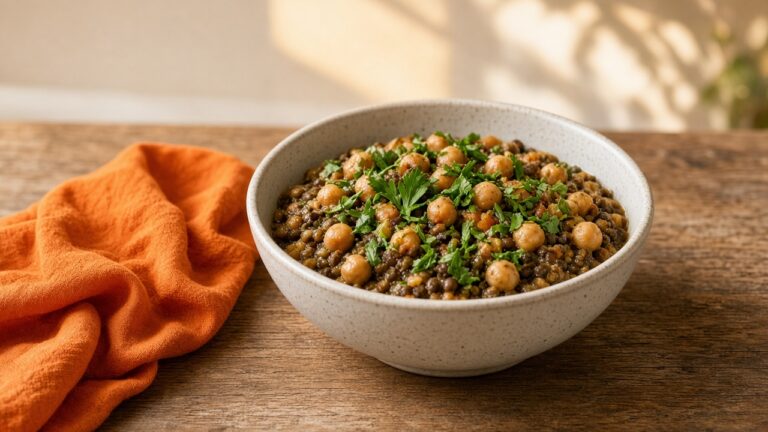
Eating more legumes can cause wind at first. Read what Belgian and Dutch guidelines advise, and how to let your gut adjust gradually.
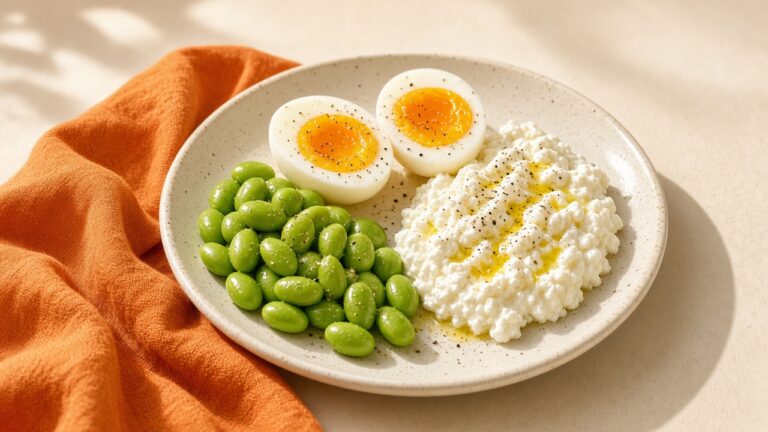
Leucine matters for muscle protein synthesis, but it already sits in normal protein-rich meals (~25–30 g protein). For most recreational athletes, separate leucine powder is unnecessary.

The green Mediterranean diet was tested mainly in men with overweight, not in athletes. Read where the stories about ten extra years come from and what you can apply in Belgium.
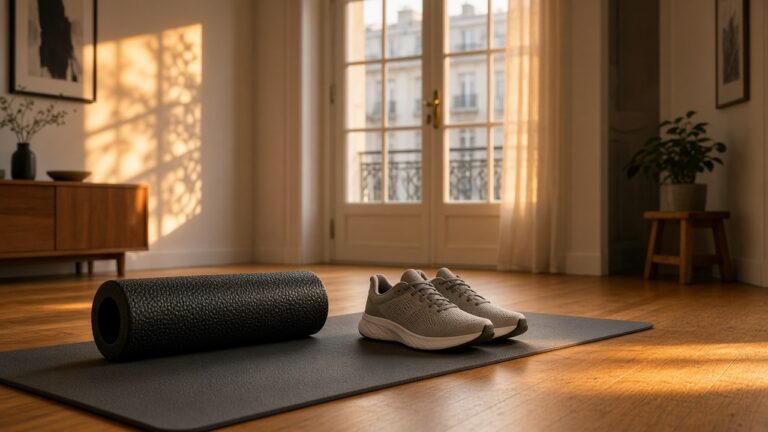
Foam rolling can feel temporarily looser and soften muscle soreness a bit. No recovery reset: short sessions, mild pressure, and sleep still weighs more.
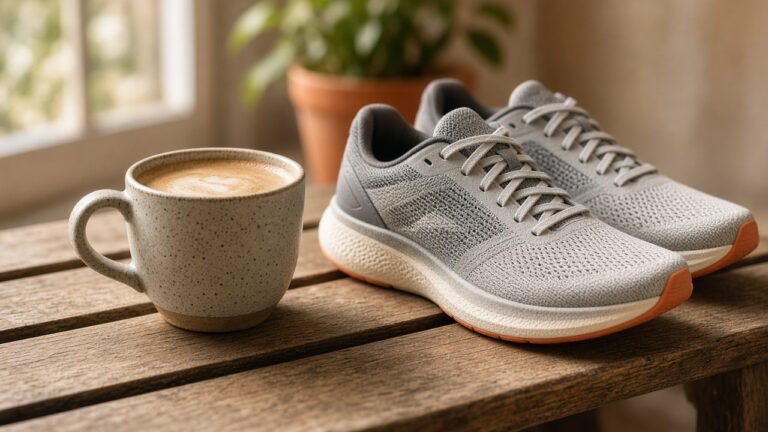
Caffeine can help pace and focus, but late doses eat into recovery. EFSA limits, timing and a normal work week — without energy-drink hype.

Cold plunge feels heroic; after hypertrophy it can dampen adaptation. Timing, goal and limits for recreational athletes — no biohacking theatre.
Leucine shots, recovery drinks, ‘anti-aging’ jars: five questions that puncture marketing. Literacy with limits — not purchase advice.

After holiday or illness, session 1 can feel ‘fine’ — until the injury follows. Practical build-up, red flags and week reality, without the 10% myth as dogma.
If your performance drops, your sleep suffers or your mood changes, you may not be recuperating enough. Here is what to watch for and what you can do.
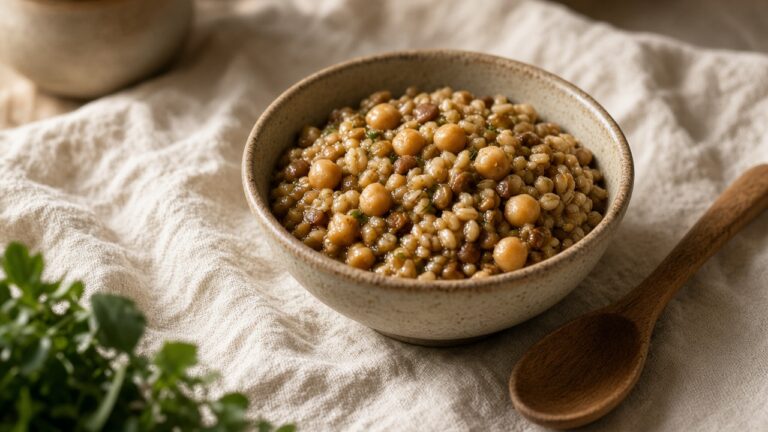
Legumes and plant protein can carry athletes — if total intake, leucine and timing line up. Food-guide framing without anti-meat hype or shake pitches.

From ‘+10 years’ headlines to biohack stacks: five myths that cost active people time — with WHO/Sciensano framing and what still stands.