
Grip strength as a longevity signal: functionally strong without PR obsession
Grip strength correlates with health outcomes — train it functionally via carries and loaded work, not as your only KPI.
Staying fit for longer doesn't start with a pill or a trendy test. It's in what you do this week with strength, sleep, food and movement — and what you'll still notice ten years from now.
I dig into what actually counts, say so when the evidence gets thin, and happily let the rest wait.
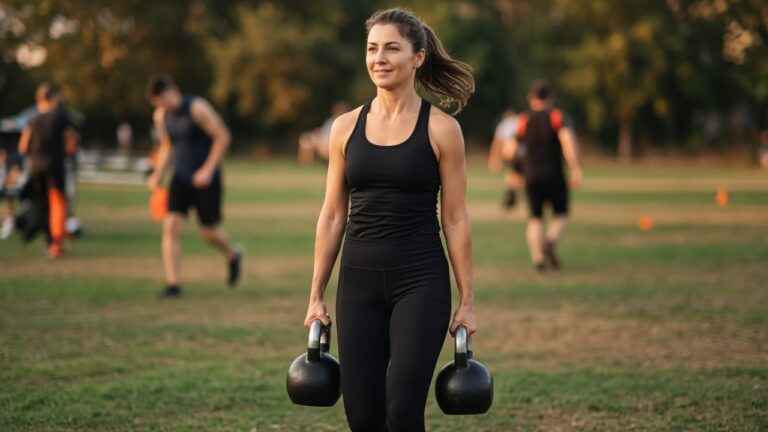
Grip strength correlates with health outcomes — train it functionally via carries and loaded work, not as your only KPI.
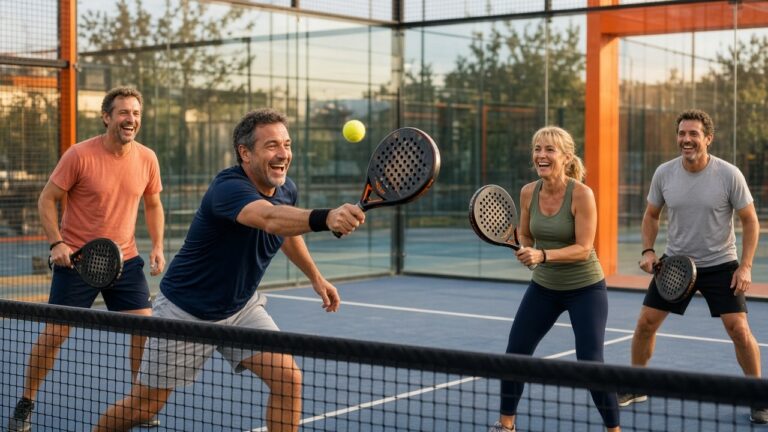
Racket sport combines cardio, reaction and social movement. Strong for healthspan — with strength and injury sense.
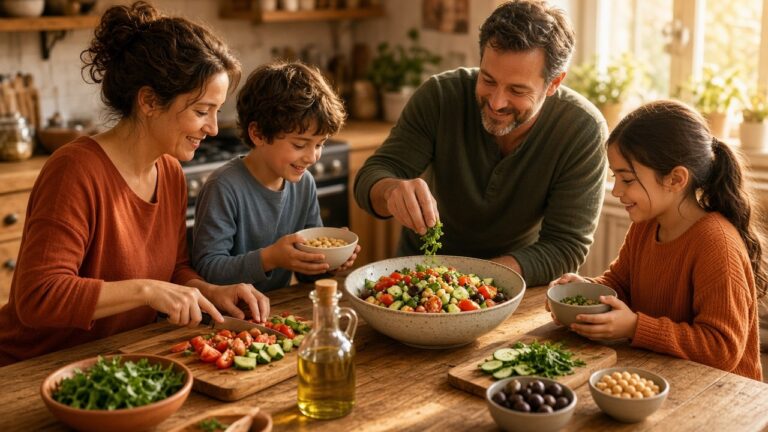
The green Mediterranean diet was tested mainly in men with overweight, not in athletes. Read where the stories about ten extra years come from and what you can apply in Belgium.

From ‘+10 years’ headlines to biohack stacks: five myths that cost active people time — with WHO/Sciensano framing and what still stands.
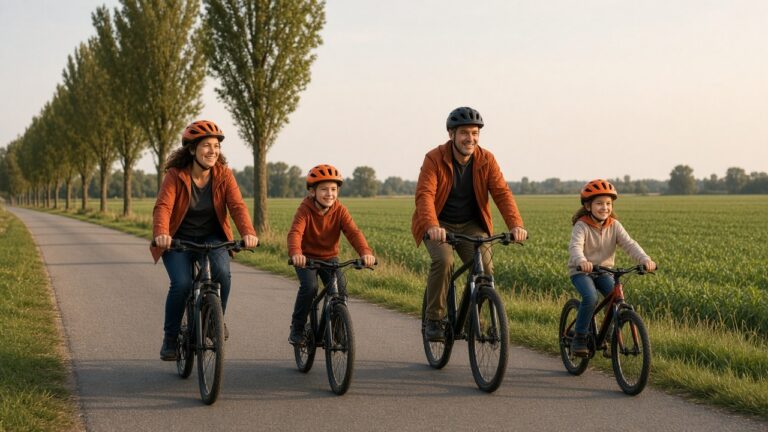
A minimal health week keeps strength, easy endurance, sleep and a simple eating pattern in place, even in a packed week. You get a worked example for the WHO minutes and read what research says about the minimum.
Healthspan vs lifespan is about years alive versus years in which you still function well. This article looks at what the WHO recommends and what diet models do and do not say.

Do you really need 10,000? What large studies say about steps, ordinary movement and training, and how to move a little more in an ordinary week.

Longevity for athletes is less about “live longer” hype and more about healthspan: staying fit without extremes. A practitioner filter on myths, levers, and a realistic week to start.