

Alcohol and sleep: why a drink can disrupt your night’s rest
General information, not medical advice.
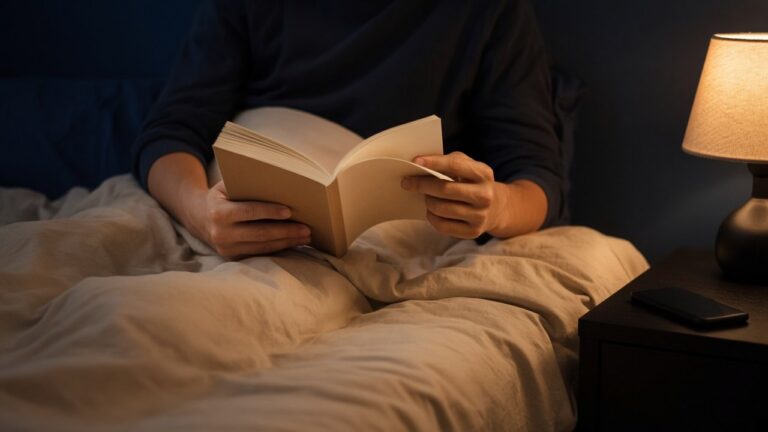
Some people reach for a glass of wine or beer in the evening to fall asleep more easily. According to De Druglijn, alcohol can indeed help start sleep, but it undermines the quality of that sleep. Alcohol disrupts REM sleep, the dream sleep in which your muscles relax and you process information and emotions from the day. You can therefore feel tired despite many hours in bed. De Druglijn also writes that alcohol can wake you at night, even after a single drink. People who use alcohol long-term can, according to De Druglijn, develop sleep disorders.
What a 2025 review found
Gardiner and colleagues bundled in Sleep Medicine Reviews (2025) 27 studies on alcohol and night-time sleep in healthy adults: a review that merges the results of earlier research. They saw a later start of REM sleep and a shorter REM duration. That disruption already appeared at a low dose, up to 0.50 grams of alcohol per kilogram of body weight. The authors call that about two standard drinks; at 70 kilos, 0.50 grams per kilo comes to about 35 grams of alcohol, or a little over three Belgian standard drinks of 10 grams. The disruption grew stronger as the dose rose.
At a high dose, from about 0.85 grams per kilogram (the authors speak of about five standard drinks), time to fall asleep seems to shorten, and also the time to deep sleep. That faster sleep onset went, according to the authors, probably together with even more REM disruption afterwards. On total sleep time, sleep efficiency and waking after falling asleep, uncertainty in the data was large; they draw no firm conclusion there. The study does not separately mention what happens in older adults.
In short: the feeling that alcohol “helps you sleep” is partly true for falling asleep at higher doses, but the build-up of your sleep, especially REM sleep, suffers, already at low doses. Whether you also wake more often, these data leave open.
What Gezond Leven and the SHC recommend
Alcohol is, according to Gezond Leven, a harmful substance you do not need to live. Anyone who still drinks sticks, according to Gezond Leven, to a maximum of ten standard drinks a week, spread over several days. The Superior Health Council phrases it similarly in 2025 in advice 9805-9807: do not drink alcohol, and if you do, limit to a maximum of 10 standard units a week, spread out.
Practical for your evening
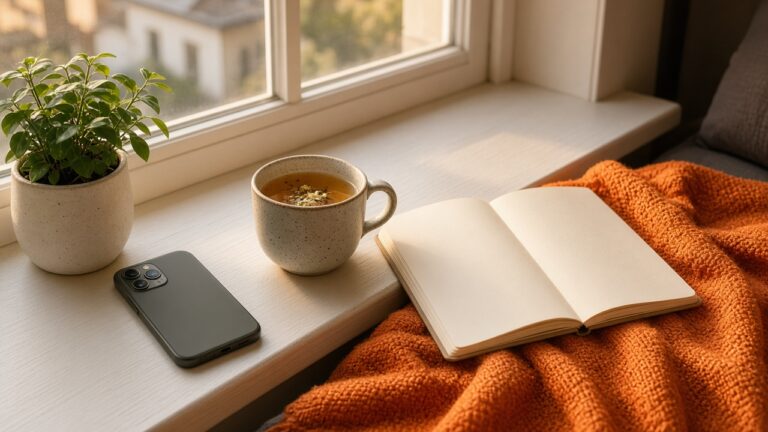
An alcohol-free ritual just before sleep often makes a bigger difference than a “last drink”. Plan alcohol earlier with a meal rather than as a sleep aid, or consciously choose tea that evening.
If you want to protect your night’s rest, move alcohol further from bedtime or leave it that evening. Swap a habitual glass once for an alcohol-free alternative or herbal tea. For night-time waking, read more in the article on getting up after about 20 minutes.
When to see a doctor?
If you keep sleeping badly despite changes, drink more than you want, or notice withdrawal symptoms, talk to your GP. De Druglijn (078 15 10 20) also offers anonymous info on alcohol by phone, chat or email.
Sources
- De Druglijn. Hoe gezond of ongezond is alcohol? Wat doet het met je lichaam? druglijn.be, accessed 15 October 2026.
- Gardiner C, Weakley J, Burke LM, et al. The effect of alcohol on subsequent sleep in healthy adults: A systematic review and meta-analysis. Sleep Medicine Reviews. 2025;80:102030.
- Vlaams Instituut Gezond Leven. (Light)–frisdrank, energie– en sportdrank en alcohol. gezondleven.be, accessed 15 October 2026.
- Superior Health Council. Voedingsaanbevelingen voor de Belgische bevolking – 2025. Advice no. 9805-9807, 2025.




One Comment