Race-day eating for amateurs: what actually helps — and what makes your stomach look silly
TLDR
- Race day for amateurs: familiar carbs, light stomach, eat on time — no experiments with a new gel or a legume bomb.
- Before the start: what you already tested in training; during: small carb doses if the effort runs long; after: food + fluids, no panic shake.
- Fibre bombs, heavy fats and “new superfoods” on race morning make your stomach look silly — literally.
- See sport gels & bars, eating around training, hydration & electrolytes.
Start pen, spelt croissant from the bakery “because it’s healthy”, and halfway through the run your stomach knots up. I’ve made that mistake — well meant, badly timed. Let’s reframe: race-day eating is not an influencer protocol. It’s mostly: nothing new, enough fuel, keep the gut calm. Whether it’s a local 10 miles, a sportive or a company cross — same logic.
What actually helps on event day
Carbs are your fast fuel for tempo efforts. Sports-nutrition guidance (ISSN-style; EFSA/WHO frame total diet, not the start pen) stays simple: top up glycogen the day before with familiar meals, eat 2–4 hours before the start something carb-forward with few surprises, and for efforts longer than ~60–90 minutes take small carb doses on the way if you’ve trained that.
Hydration: don’t start dehydrated, drink to thirst plus a plan you practised in training — not sudden litres. Electrolytes are often unnecessary on short events with normal food; relevant in heat or long rides — see the hydration piece.
When yes
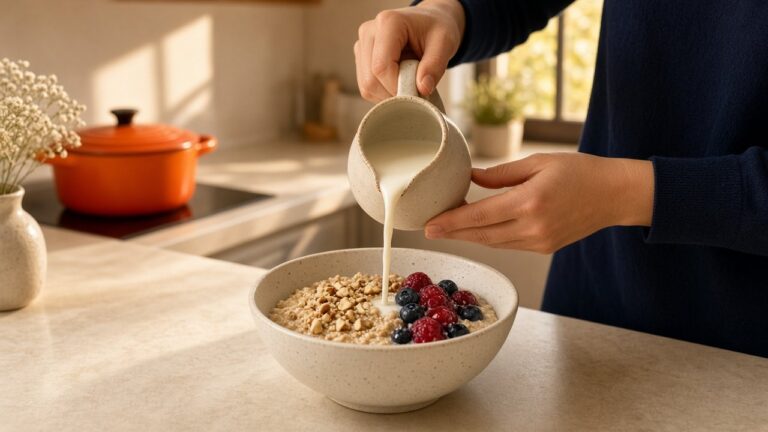
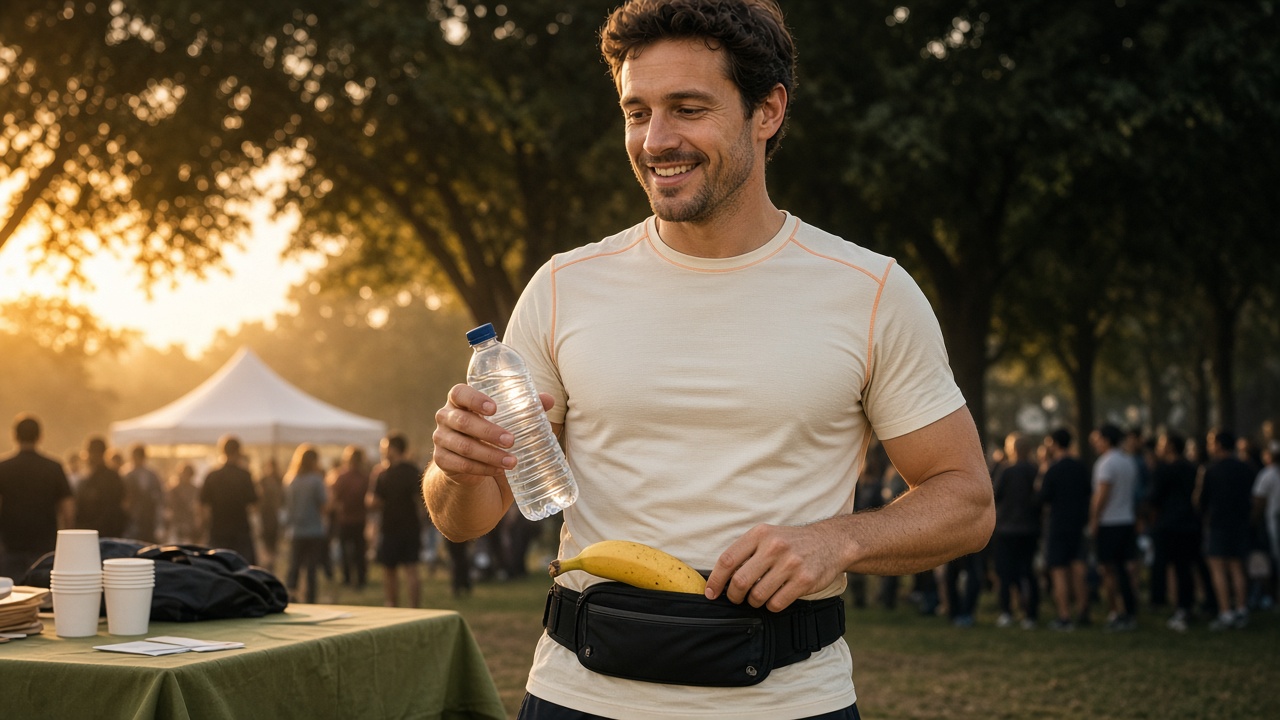
- Familiar breakfast carbs: oats, white bread with jam/honey, rice cake, banana — what your stomach already knows from long training days.
- Gels/bars only if practised: first time trying a new gel at km 8 is a classic. Test in easy endurance sessions.
- Afterwards: fluids, salt to taste, carbs + some protein within a few hours — a meal often beats a fancy shake. See recovery shake vs meal and chocolate milk after training.
When not / limits
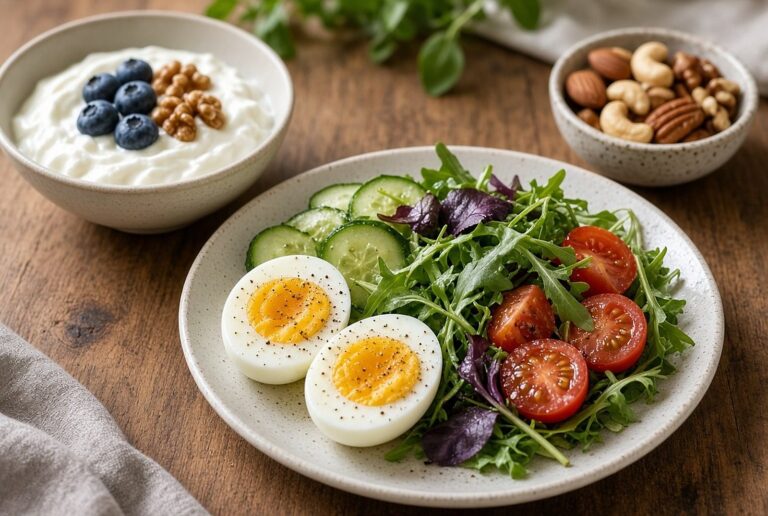
- Not: legumes, huge salads or heavy fries as a “loading strategy” in the morning: fibre and fat sit heavy; save the stew for the night before or after.
- Not: new supplements, shots or “race-only” powders: stomach and gut don’t love surprises under adrenaline.
- Not: panic overhydration: too much water without a plan can make you nauseous; electrolytes aren’t magic at every 10K.
- Short events (<45–60 min): often enough with a solid meal the night before + light breakfast; gels usually unnecessary.
Night before vs morning of
My rule of thumb: the night before can be a bit richer in carbs (pasta, rice, potato) without experimental sauce. Morning: smaller, earlier, more familiar. Caffeine if you always do it — not as a premiere; limits around training are in our coffee piece. And accept: nerves blunt appetite. Drink and eat what goes down; don’t force three plates “because you’re supposed to”.
Practical Engy tip
Write down your race-morning menu after a successful long session. Copy that on race day. No new bakery specials in the start pen.
Recommendations in bullets
- Familiar carbs, light stomach, eat on time.
- Test nothing new on race morning.
- Gels/bars only if practised in training.
- Afterwards: fluids + normal meal > panic protocol.
- Link to gels, timing, hydration and recovery drinks on Engy.
Sources (selection)
- ISSN / sports nutrition — carb intake pre/during endurance events (practical framing).
- EFSA / WHO — diet & hydration in the total pattern.
- Sporza/HLN-style race-day nutrition pieces — inspiration; not prose copy.
- Engy: sportgels-repen-amateur, eten-rondom-training-timing, hydratatie-elektrolyten-training, recuperatieshake-vs-maaltijd, chocomelk-na-training.