
Stool test after 50: why the free home test counts even without symptoms
General information, not medical advice. If you have symptoms such as blood in your stool or a change in your bowel habits, do not wait for the test and see your GP.
The stool test after 50 is a free screening test you do at home that detects traces of blood in your stool. These can point to polyps or bowel cancer. According to the latest annual report of the Centrum voor Kankeropsporing, the centre that runs population screening in Flanders, 73 percent of the cancers found through the test were detected early. That is why it pays to take part, even without symptoms.
Why the stool test after 50 counts even without symptoms
Polyps are growths in the wall of the large intestine and can be the forerunner of bowel cancer. According to the screening programme, bowel cancer develops slowly and at first causes no symptoms. That is exactly why you do the test even when you feel fine.
Of the cancers detected through the test, 73 percent were at stage 0 or I. These are the earliest stages, when the disease is still limited and treatment is usually simpler. The earlier you catch it, the better, as the programme itself puts it.
How many people take part?
Since 2020, everyone aged 50 up to and including 74 who lives in Flanders and is eligible receives a letter with a stool test every two years. If you do not respond, a reminder letter follows after ten weeks. The coverage rate, the share of that age group that is up to date with early detection of bowel cancer, was 64.7 percent in 2024. That is still below the target of 70 percent.
The youngest group in particular lags behind. Among 50 to 54-year-olds, 52.8 percent are up to date, and among the men in that group only 48.8 percent, compared with 56.8 percent of the women. In addition, 24.2 percent of the target group have never taken part. Just turned fifty? Then be sure to open that letter.
How the test works
At home you take a small sample of your stool and send it free of charge to the central lab, which checks whether it contains blood. Send the sample as soon as possible. If you cannot do so straight away, keep it in the fridge and follow the time limit in the instructions. Lost your test or never received a letter? Since November 2025 you can order a new test through the citizen portal, after logging in with your electronic ID card or itsme. If you are eligible, you will receive a free test within about three weeks.
What an abnormal result means
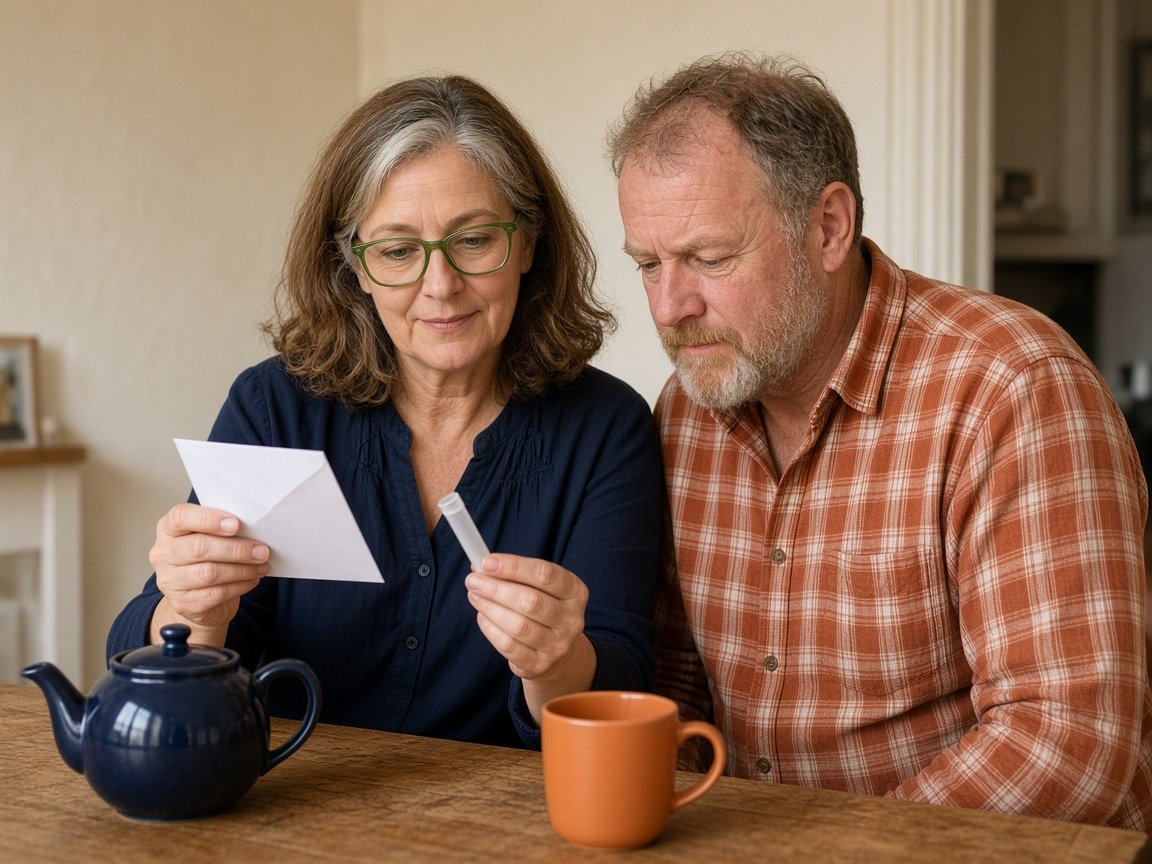
An abnormal result means blood was found. That is not a diagnosis: according to the screening programme, it does not necessarily mean you have bowel cancer. In 2024, 6.1 percent of participants had an abnormal result. In 60 out of 100 abnormal tests, adenomas or bowel cancer were found afterwards. Adenomas are polyps that can become malignant. Conversely, the test rarely raises a false alarm in people without cancer or an adenoma: its specificity, the ability to correctly identify healthy people as healthy, is 97 percent.
Why follow-up with a colonoscopy matters
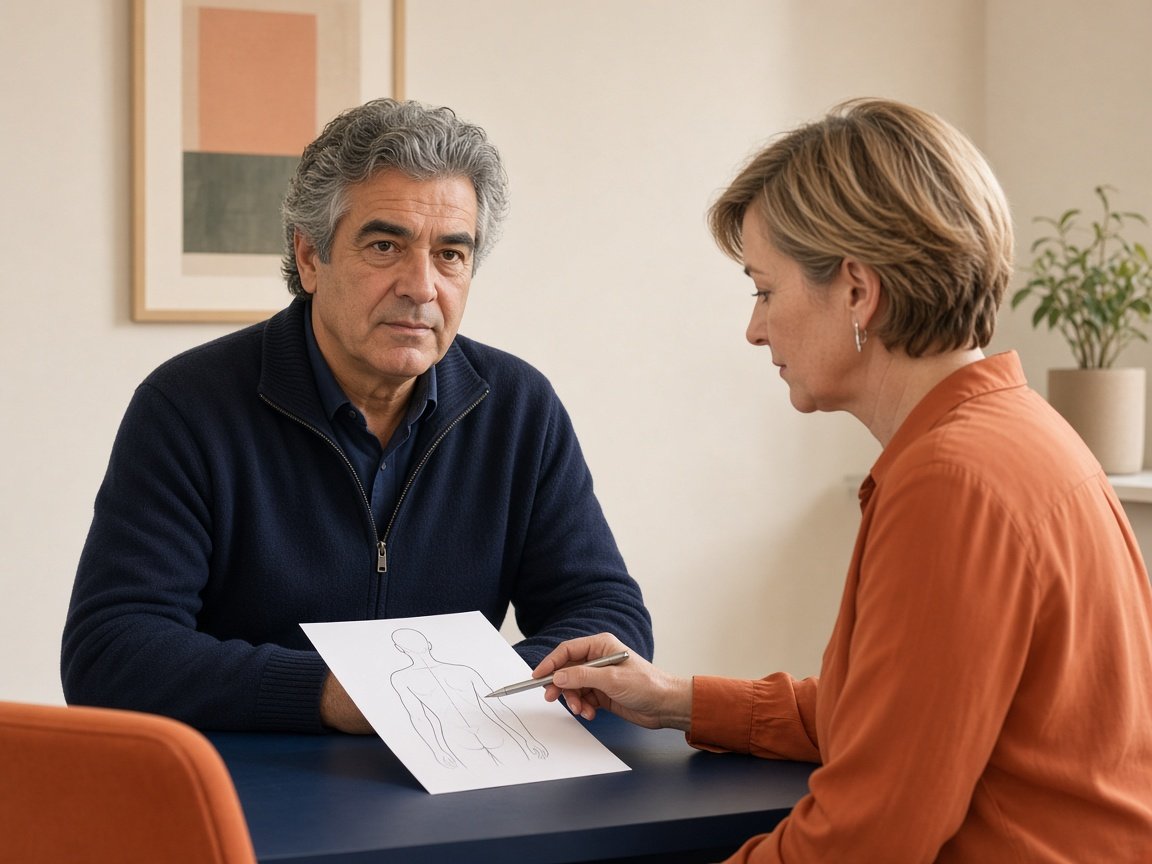
An abnormal result is followed by a colonoscopy. That is where doctors make the real diagnosis, says Prof. Danny De Looze (Ghent University Hospital). According to him, most polyps never become malignant, but a doctor cannot see which ones will, which is why he removes them all. Yet 1 in 7 people with an abnormal test did not receive correct follow-up within 12 months. Without a colonoscopy, it remains unclear where the blood comes from.
When no blood is found
A favourable result does not give complete certainty, because no test does, and polyps do not always bleed. Nor is the test a cancer test, De Looze stresses: it only detects blood in the stool. Self-tests you buy yourself have a drawback, in his view, because no doctor is involved. The free test is one part of healthy ageing, alongside for example measuring your blood pressure at home, getting enough steps a day and the five levers for more healthy years.
When to see your GP straight away?
If you have blood or mucus in your stool, a change in your normal bowel habits or frequent abdominal pain or cramps, see your GP. Do not wait for the next invitation, even if your previous test was favourable.
Sources
- Centrum voor Kankeropsporing en Belgian Cancer Registry. Infosheet belangrijkste indicatoren Bevolkingsonderzoek Dikkedarmkanker, screeningsjaar 2024. Oktober 2025.
- Centrum voor Kankeropsporing. Infosheet 2026 voor de huisartsen, Bevolkingsonderzoek Dikkedarmkanker. Maart 2026.
- Bevolkingsonderzoek Dikkedarmkanker. Waarom deelnemen? en Bevolkingsonderzoek dikkedarmkanker. Geraadpleegd in oktober 2026.
- Bevolkingsonderzoek Dikkedarmkanker. Hoe verloopt het onderzoek? en Het resultaat. Geraadpleegd in oktober 2026.
- Bevolkingsonderzoek Dikkedarmkanker. Stoelgangtest zinvol? Hoe vroeger je erbij bent, hoe beter. Nieuwsbericht met prof. dr. Danny De Looze. Geraadpleegd in oktober 2026.