
Social contact as you get older: why it matters for your health
General information, not medical advice.
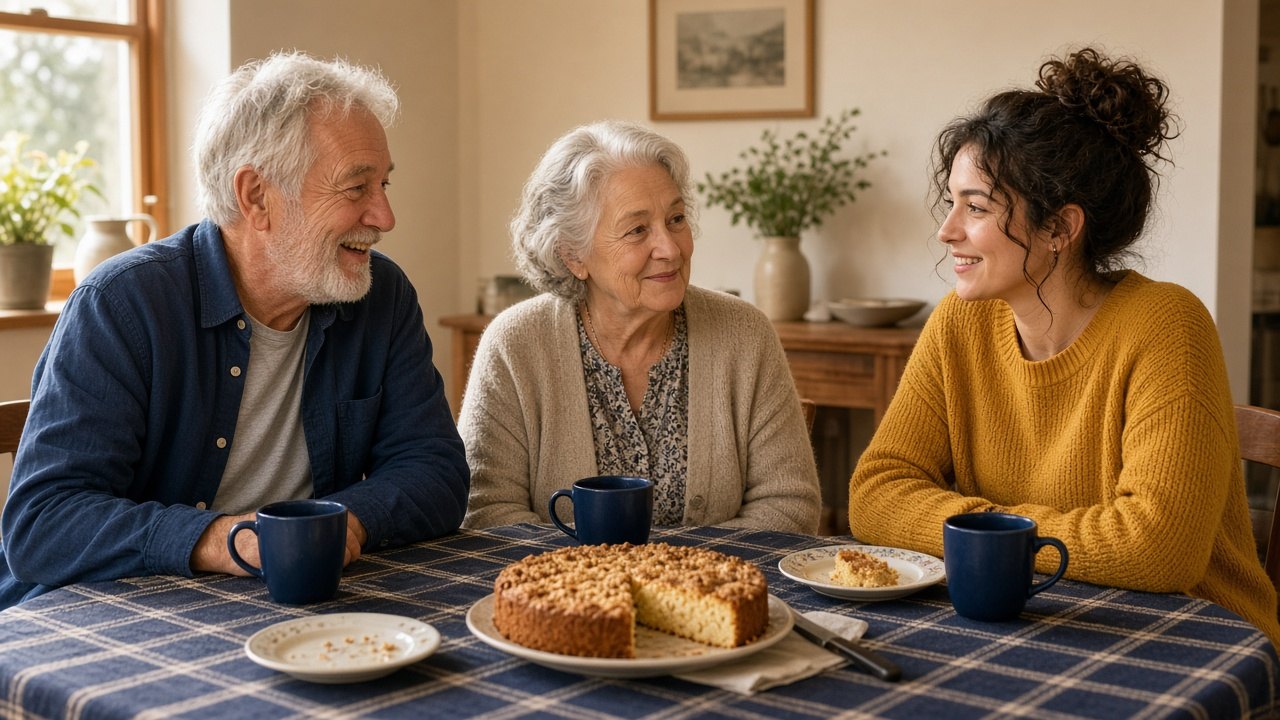
When you think of healthy ageing, you usually think of exercise, food and sleep. In June 2025 the World Health Organization (WHO) published a report on social connection, in which it asks for contact with others to be taken as seriously as physical and mental health. Coffee with a neighbour or a regular walk with friends may seem small, but according to the WHO, strong social connections can lead to better health and a longer life.
The difference between feeling lonely and being socially isolated
The WHO makes a clear distinction. Social isolation can be measured: you have too few roles, relationships and contacts with others. Loneliness is a feeling: the painful gap between the contacts you have and the contacts you want or need. So you can see lots of people and still feel lonely, or see few people and be content with that.
What the figures say
According to the WHO, about one in six people worldwide (15.8%) feel lonely. Social isolation is estimated to affect up to one in three older adults, although data on isolation are more limited than data on loneliness. The WHO links loneliness to an estimated more than 871,000 deaths a year, about 100 every hour. According to the WHO, loneliness and isolation increase the risk of stroke, heart disease, diabetes, cognitive decline and early death. People who are lonely are also twice as likely to become depressed.
In Belgium, Sciensano included loneliness for the first time in the 2023-2024 Health Interview Survey. It measures loneliness with a six-question questionnaire, and a score of 2 or more out of 6 already counts as moderate to severe loneliness. On that basis, 48.3% of people aged 15 and over had moderate to severe loneliness, and 11.6% severe loneliness (a score of 5 or 6). In Flanders the figures were 45.2% and 11.6%. About one in eight people (13.3%) have social contact less than once a week.
In this survey, older people do not feel lonely more often than younger adults: 47.2% among 65 to 74-year-olds and 42.0% among those aged 75 and over. Sciensano does point out that earlier research found more problems at older ages, and that healthy, active older people are more likely to take part in such surveys. People who live alone feel lonely more often: 54.1% compared with 46.8% among those who do not live alone. The figure is also higher among people without a secondary school diploma (58.8%) than among people with a higher education degree (43.2%).
Moments when contacts fall away
The WHO names several major changes that can lead to loneliness and isolation: moving house, losing your job, a break-up, retiring or losing someone close. Poor physical or mental health, living alone and a lack of local facilities, such as public transport, parks or places to meet, also play a part.
Small steps the WHO suggests
According to the WHO, everyone can make a difference through simple, everyday steps:
- Reach out to a friend who is going through a hard time.
- Put your phone away during a conversation, so you can give the other person your full attention.
- Greet your neighbours and stop for a chat now and then.
- Join a local group or association, or do volunteer work.
You can also link these steps to habits you already have, for example by planning a long walk at the weekend with a friend or neighbour. In its 2025 dietary recommendations, Belgium’s Superior Health Council points to eating together: it supports physical and mental well-being and strengthens social connection. According to the Council, a home-cooked meal you share with others also counts, such as a pot of vegetable soup you make extra of for the neighbours.
When to see a doctor
If loneliness weighs heavily on you, the WHO says it is important to find out what help is available. Your GP is a good first point of contact. The WHO mentions psychological support, such as social skills training or cognitive behavioural therapy (a form of talking therapy), as a way to build and maintain connections. If you would first like to talk to someone anonymously, you can call Tele-Onthaal free of charge on 106, day and night, in Dutch, or Télé-Accueil on 107 in French.
Sources
- World Health Organization. From loneliness to social connection: charting a path to healthier societies – Report of the WHO Commission on Social Connection. 30 June 2025.
- World Health Organization. Social connection. Questions and answers, 30 June 2025.
- World Health Organization. Social connection linked to improved health and reduced risk of early death. News release, 30 June 2025.
- Verhaegen KA, Braekman E, Gisle L. Gezondheidsenquête 2023-2024: Sociale gezondheid. Sciensano, October 2025.
- Superior Health Council (Hoge Gezondheidsraad). Voedingsaanbevelingen voor de Belgische bevolking – 2025 (Dietary recommendations for the Belgian population). Advisory report no. 9805-9807, 2025.
- Nutrition Information Center (NICE). Voedingsaanbevelingen van de Hoge Gezondheidsraad. nice-info.be, 17 June 2025.
- Tele-Onthaal. Tele-Onthaal: bel 106. tele-onthaal.be, accessed 14 October 2026.
- Fédération des Centres de Télé-Accueil de Belgique. Télé-Accueil: besoin de parler ? Appelez le 107. tele-accueil.be, accessed 14 October 2026.


One Comment