
A short afternoon nap: when 20 minutes help (or don’t)
General information, not medical advice. If you have ongoing sleep problems, talk to your GP.
In short
- Gezond Leven advises against daytime naps if you struggle to sleep at night; a power nap is fine, but preferably no longer than 20 minutes.
- A longer afternoon nap can lower your sleep pressure and make it harder to fall asleep in the evening.
- According to Gezond Leven, caffeine after 3 p.m. dampens sleep pressure; so do not combine a nap with late coffee.
- Steady bed and wake times matter more than a perfect nap routine.
After lunch energy sometimes dips. A short nap then sounds appealing, especially on a weekday afternoon. The difference is duration and how well you already sleep at night. If you regularly sleep poorly at night, a long afternoon nap can make the problem bigger.
What Gezond Leven writes about naps
On the page “Wat is slaap?”, Flanders’ Gezond Leven explains that sleeping during the day can disturb your sleep rhythm. To get the sleep pattern back to normal, that text says you may need up to three weeks of practice. The concrete tip: better not to nap during the day if you have trouble sleeping. If you still take a power nap or afternoon nap, keep it to no more than 20 minutes.
The same twenty-minute limit returns in tips for hot nights: with extreme fatigue, a short power nap after lunch, not a two-hour siesta. A long nap removes sleep pressure you need in the evening to fall asleep smoothly.
When a short nap can work
- Your nights are mostly fine and you have a one-off dip (early morning, hard morning training, jet lag).
- You plan it early enough: ideally early afternoon, so you rebuild sleep pressure before bedtime.
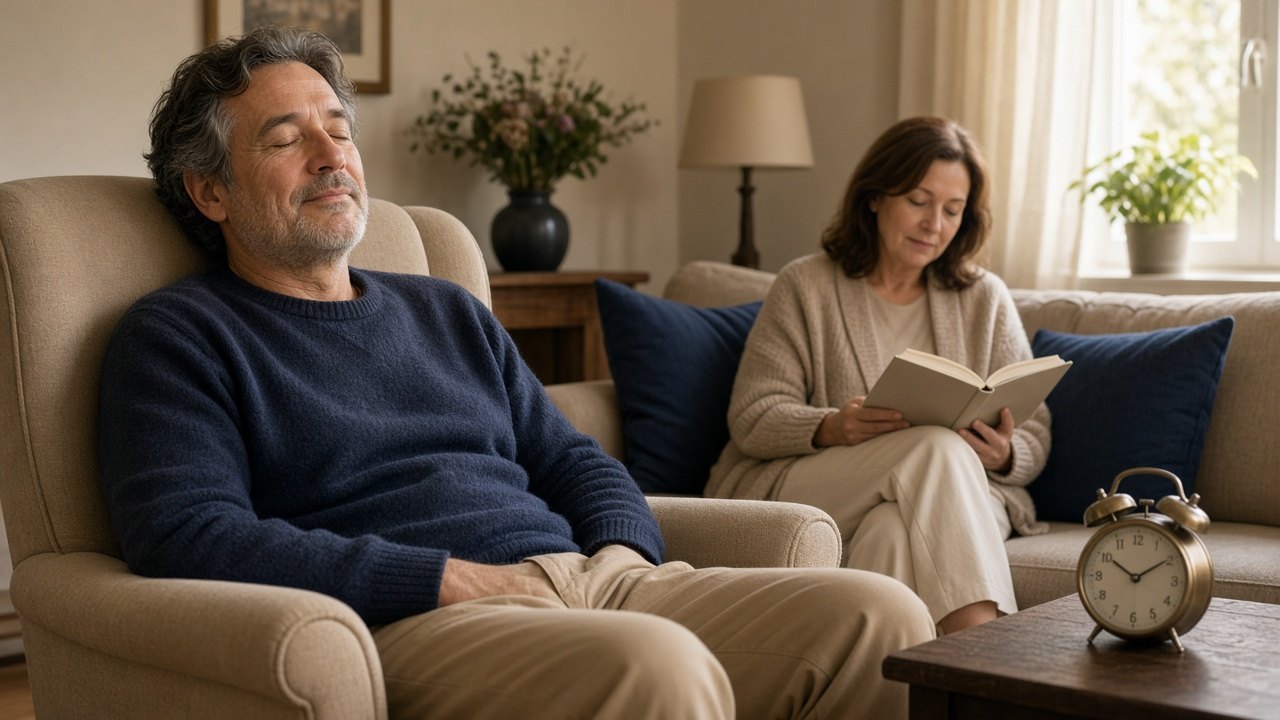
- You set an alarm for about 20 minutes and nap in a chair or on the sofa, not necessarily in bed, so you sink less deeply.
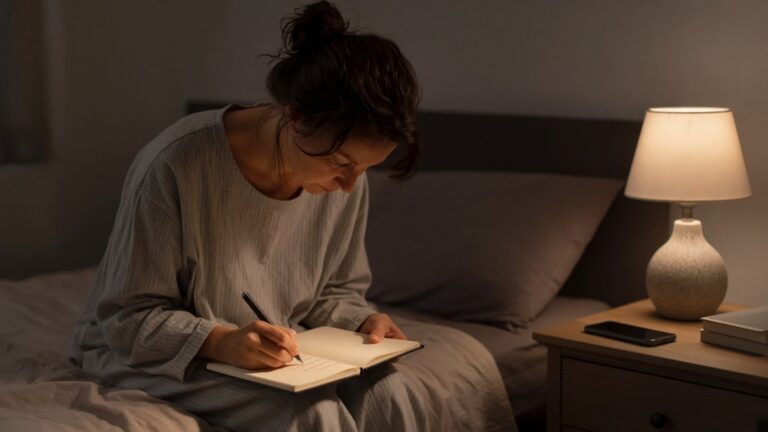
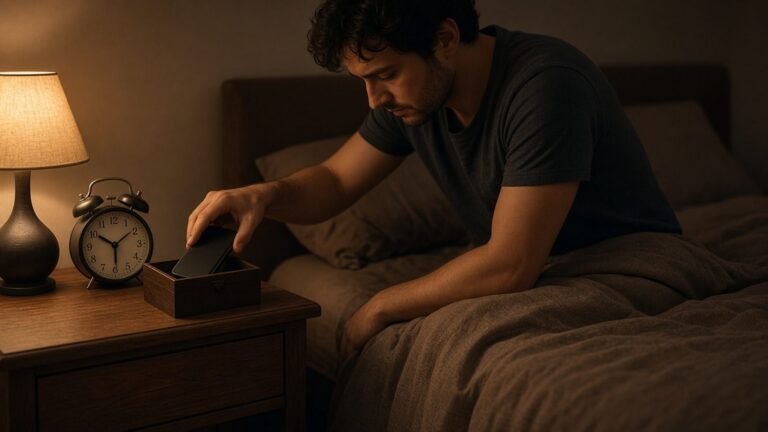
If you structurally lack night sleep, steady bed and wake times weigh more than catching up with a nap. Evening habits help too: the phone outside the bedroom, warmer evening light, or reading instead of scrolling.
What not to combine with a nap
Gezond Leven advises against caffeine after 3 p.m., because caffeine blocks adenosine and lowers sleep pressure. An afternoon nap plus late coffee stacks two dampers on your evening sleep. More nuance on caffeine timing around training is in the piece on caffeine later in the day.
Also avoid a nap late afternoon or early evening: it then clashes sooner with your natural sleep window. And do not use a nap as a fixed fix for chronic fatigue without looking at the cause (irregular hours, too little daytime movement, alcohol in the evening).
What to keep in mind
Ongoing daytime tiredness, snoring with breathing pauses, or insomnia that lasts for weeks belongs with your GP or a sleep clinic. A short afternoon nap is a tool for a dip, not a treatment. If you work shifts or have young children, adapt the tip to reality: sometimes a short nap is the only recovery available, as long as you keep the 20-minute limit in view.
Sources
- Vlaams Instituut Gezond Leven. Wat is slaap? gezondleven.be, accessed October 2026.
- Vlaams Instituut Gezond Leven. Toch goed slapen tijdens warme nachten? Met deze tips lukt het. gezondleven.be, accessed October 2026.
- Vlaams Instituut Gezond Leven. Je slaap verbeteren. gezondleven.be, accessed October 2026.




One Comment