HRV obsession: limits of your recovery score
TLDR
- HRV is a useful recovery signal — not a daily truth or a moral score.
- Yes: multi-day trend + context (sleep, stress, alcohol, training).
- No: one low morning reading = panic or cancelling training without more.
- Pair with orthosomnia & sleep apps and sleep as a recovery checklist.
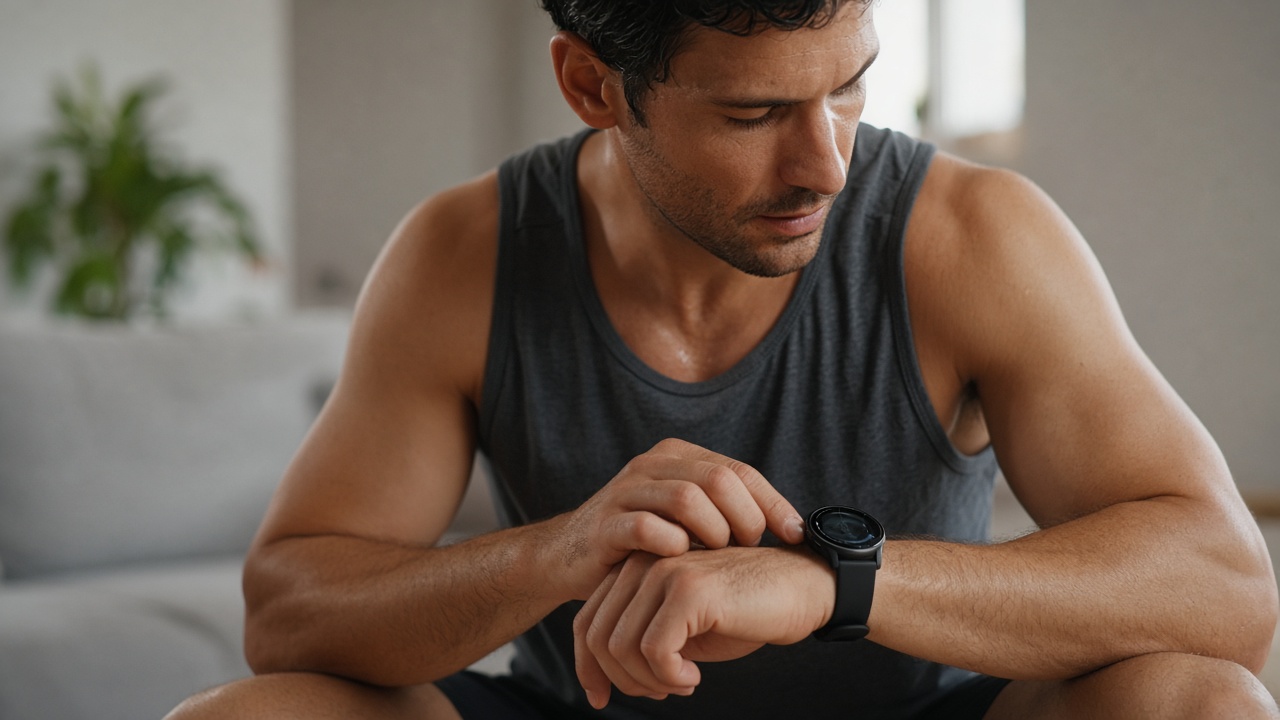
I can open my wearable in the morning and instantly feel judged by a “low” HRV. Perspective: heart rate variability swings with breathing, alcohol, a late meal, illness, travel and measurement error. Obsession looks data-driven — often it is orthosomnia in another jacket: the number runs your day. Literacy: limits of HRV-guided decisions.
What HRV is — and is not
HRV says something about autonomic balance over the measurement window — often overnight or a standardised morning reading. A dip after a hard session or a bad night can be normal. It becomes a problem when every outlier turns into guilt, anxiety or chasing a perfect “recovery score.”
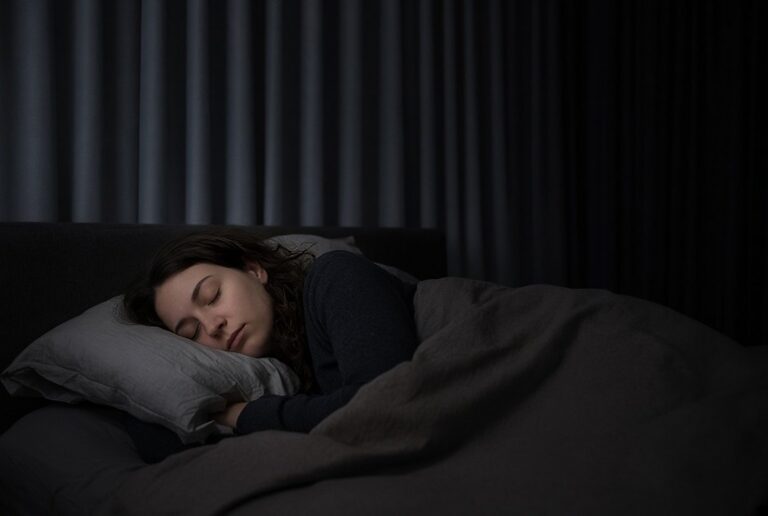
There is no universal “good” HRV. Age, genetics, fitness and device differ. What matters is your trend over several days, next to resting heart rate, sleep quality and how training feels. Same trap as sleep apps: the dashboard becomes the boss. See orthosomnia: when your sleep app steals your night.
When HRV is useful
- You measure consistently (same device, preferably a morning routine or reliable overnight reading).
- You look at a 3–7 day trend, not one red dot.
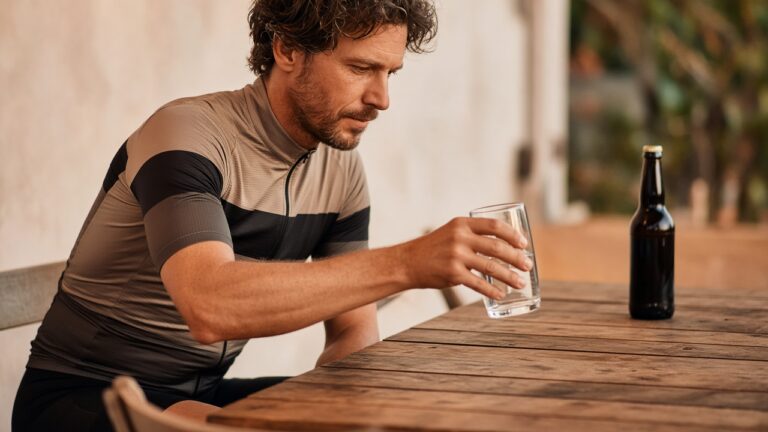
- Context included: alcohol, travel, illness, deadline week, heavy blocks.
- Decision = adjust, not panic: zone 2 (an easy endurance pace at which you can still talk comfortably) instead of intervals, or an earlier bedtime — see signs of insufficient recovery.
When to relativise / let go
- You check compulsively and sleep worse because of the score: hide the widget or measure less often.
- One low day after a party or late film: expected, not a crisis.
- Different apps, different “readiness”: don’t shop around until you find a green number.
- You ignore the base levers: sleep regularity, caffeine timing, alcohol — see alcohol & recovery — outweigh micro-optimising HRV.
Practical Engy approach
My default: HRV may weigh in as a quiet adviser, not a coach with a red card. Falling trend + poor sleep + heavy legs? Then train easier or rest. One odd morning while I feel fine? Keep going in zone 2 and reassess. I do not maximise HRV; I try to stay trainable.
If the number creates stress, the tool costs too much attention. Turn notifications off, review weekly instead of minute-by-minute, and return to the checklist: bedtime, morning light, training dose, alcohol. Duller than a chart — and usually more effective. See sleep as a recovery checklist and recovery within 24 hours.
Practical Engy tip
Rule: three mornings in a row clearly below your own baseline and subjectively tired = adjust. One red day = note it, don’t dramatise. Does the app feel like exam fear? A week without a readiness score is also data.
Recommendations in bullets
- HRV = trend + context, not daily morality.
- Score obsession looks like orthosomnia — protect your attention.
- Persistent dip: lower intensity, sleep and stress first.
- Link to orthosomnia, sleep checklist and recovery signs on Engy.
Sources (selection)
- HRV recovery practice — standardised measuring; trend > single score; influencers: alcohol, sleep, illness, breathing.
- Clinical / longevity practice — do not maximise HRV; improve recovery capacity via fundamentals.
- Engy: orthosomnia-slaapapps, slaap-als-recovery-checklist, signalen-te-weinig-herstel, alcohol-training-herstel, herstel-binnen-24-uur.