Vitamin D for athletes: useful in winter, often not needed in summer
TLDR
- Vitamin D makes more sense in the dark months than as a year-round “must” for every active adult — season and status first, hype later.
- Summer: sun + food often cover enough; winter: deficiency shows up more often, especially with little outdoor light.
- No panic dose: measure or follow Sciensano/EFSA frames; megadoses without reason are not a longevity hack.
- See also creatine & vitamin D literacy and how to read a supplement label.
Every autumn the same reels show up: “winter = everyone D-deficient, take 4000 IU now.” Feeds mix sunless tips with sports claims. As a practitioner I first check whether I get outdoors enough and whether there is a recent status — not whether my shaker is orange. Put it in perspective: vitamin D matters for bones, immune context and possibly training recovery, but it is not a winter wonder fix for every gym session.
Season first — why winter is different
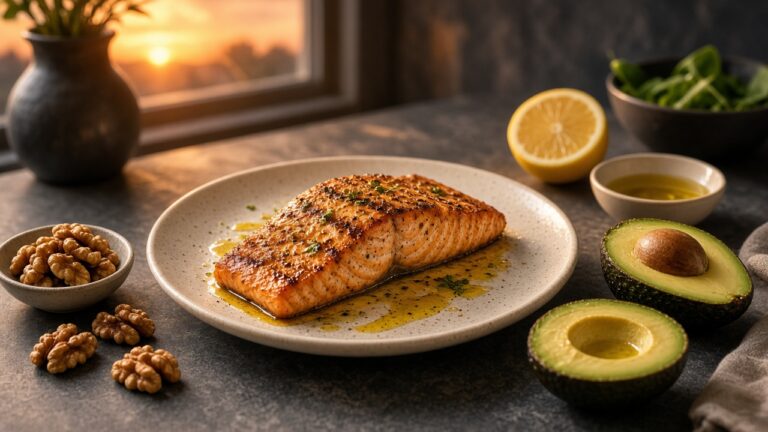
At our latitude the skin makes little vitamin D from sunlight in the dark months. Sciensano and EFSA frames (aimed at EU readers: not a US-style “megadose challenge”) have long pointed to seasonal variation. Summer with regular outdoor time and a normal diet (oily fish, eggs, fortified products) often covers enough for many active adults. Winter — short days, office, evening indoor training — is another context.
That does not mean “everyone is deficient from October.” It means: check context before you buy a tub. Our earlier piece on creatine & vitamin D remains the broader literacy hub; here Engy zooms in on seasons for athletes.
When yes to supplement
- Dark months + little outdoor time: late autumn to early spring, especially if you sit indoors by day.
- Known low status: doctor/lab confirmed deficiency or borderline — then targeted supplementation is more logical than guessing.
- Risk groups in context: little sun exposure, darker skin, covering clothing, or a diet without D sources — not “because you run.”
When not / limits
- Not as year-round panic: sunny summer weeks + outdoor training are often enough base; extra IU “just in case” without reason is overkill.
- Not as pre-workout: acute performance gain from a D capsule right before the set is not the story.
- No solo megadoses: too much vitamin D can be toxic; stick to EU reference values or medical advice.
- Read the label: IU vs µg, dose per capsule — see supplement-label literacy and A-brand vs store brand.
Practical without hype
My simple rule: summer → prioritise sun + food; winter → consider a moderate, label-clear dose if you get little light, or have status checked if you have complaints/risks. Sport alone does not change the seasonal physics of UV. WHO/Sciensano-style public-health messages stay sober: adequate status, no influencer scheme.
Practical Engy tip
Put one checkpoint in your calendar in October: “outdoor light + food OK, or supplement/measure?” No daily anxiety scroll over IU memes.
Recommendations in bullets
- Season and outdoor light weigh more than sports-label hype.
- Summer often food + sun; winter more often a reason for moderate supplementation.
- Measure or follow medical advice if unsure — no solo megadoses.
- Read IU/µg and dose on the label; brand name is secondary.
- Link to creatine/D literacy and label pieces, not panic reels.
Sources (selection)
- Sciensano / public-health frames — vitamin D and season.
- EFSA — vitamin D intake references and upper limits.
- Seasonal pieces from press / university hospitals — inspiration; relativise claims.
- Engy: creatine-vitamine-d-literacy, hoe-lees-je-een-supplementlabel.