Sleep with night shifts or early starts: what is realistic
General information, not medical advice. If you keep sleeping badly despite your efforts, or nod off at work or behind the wheel, talk to your GP or occupational health doctor.
Night shifts and very early starts ask your body to sleep when it wants to be awake. This article explains why that is so hard, what research says about the effects and what you can do yourself to still get enough rest.
Why night shifts work against your body clock
Your body follows a day-night rhythm, the circadian rhythm, which determines when you feel alert and when you get sleepy. This internal clock is set mainly by light. If you work at night, you sleep during the day while your clock is set to being awake. Daytime sleep is therefore often shorter and lighter, and on days off you usually switch back to a daytime rhythm.
Since 2019, the International Agency for Research on Cancer (IARC), the cancer agency of the World Health Organization, has classified night shift work as probably carcinogenic. That classification is about the strength of the evidence, not about how large the risk is for one person. It is still a reason to take sleep during shift work seriously.
How much sleep you need
In their 2015 consensus, two American sleep societies recommend that adults regularly sleep at least 7 hours a night. With shift work you do not always manage that in one block. A fixed sleep slot after every night shift helps, and a short nap before you leave can reduce the shortfall. The article on a 20-minute nap explains how to keep it short. Why regularity matters so much is covered in the article on sleep consistency.
Using light during night shifts
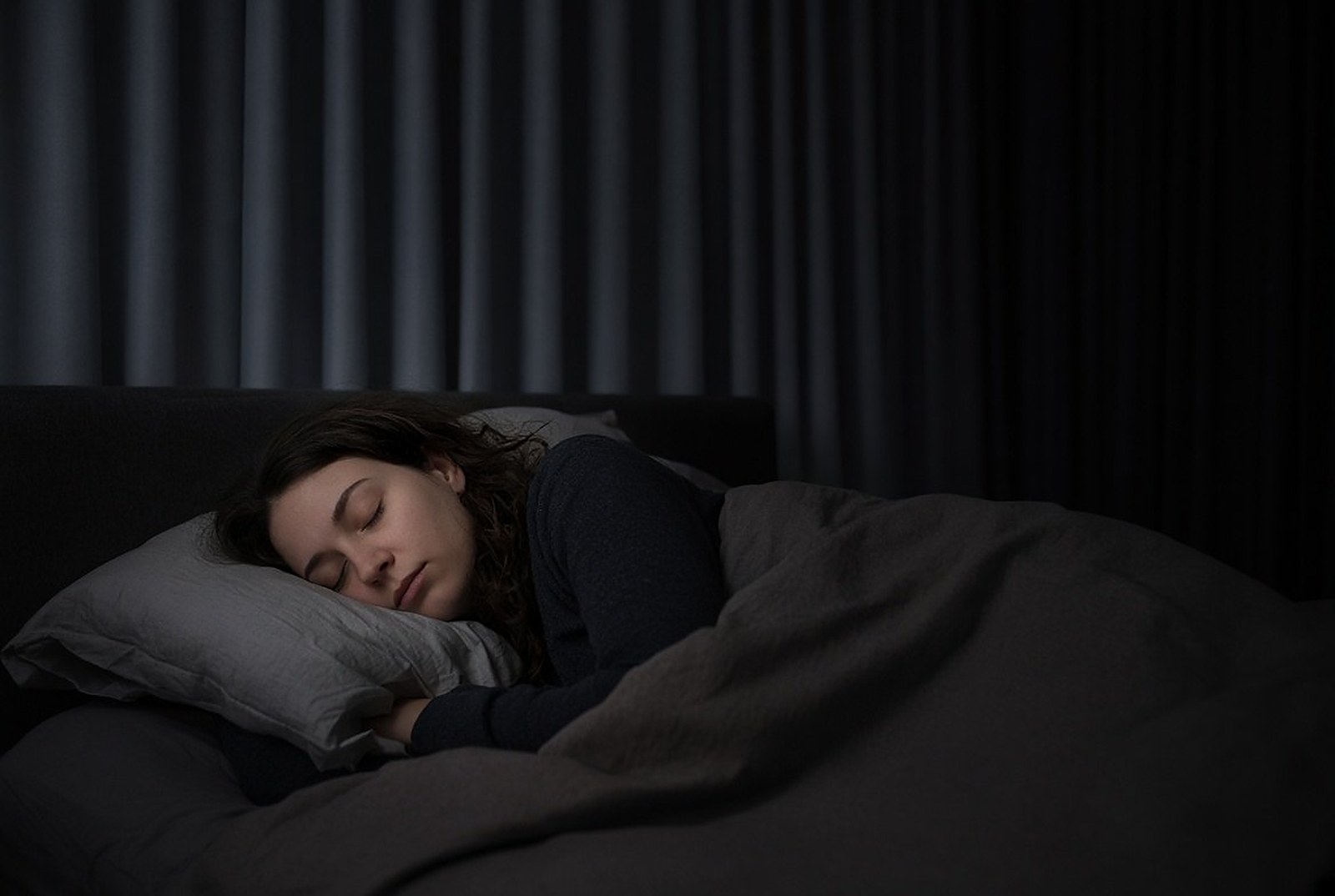
Light is your strongest tool. In 2022, an international group of light and sleep researchers advised dimming light to no more than 10 lux at eye level in the hours before sleep, and keeping the room as dark as possible while you sleep. If you sleep during the day, that means blackout curtains or a sleep mask, and possibly sunglasses on the way home. During your shift, bright light helps you stay alert.

Caffeine and food during your shift
Coffee can help you stay awake during the first half of a night shift. The European Food Safety Authority (EFSA) notes that even 100 milligrams of caffeine, about one cup of coffee, shortly before bedtime can delay falling asleep. So stop drinking coffee in the last part of your shift, as the article on stopping caffeine before sleep also explains. Keep meals at regular times as far as possible and stick to light meals at night.
Very early starts
With very early starts the problem is different: you have to get up while your body is still in the middle of its night. On workdays, go to bed earlier and dim the lights in good time the evening before, so your body clock shifts a little earlier. Bright light shortly after getting up helps with this. Keep your sleep times on days off as close as possible to those on workdays. A big gap between the two feels like a small jet lag, which is why it is called social jet lag.
Full compensation is rarely possible. If shift work has been ruining your sleep for years, you can discuss with your employer or occupational health doctor whether other hours are possible.
References
- IARC Working Group. Night shift work (IARC Monographs on the Identification of Carcinogenic Hazards to Humans, volume 124). International Agency for Research on Cancer. 2020.
- Watson NF, Badr MS, Belenky G e.a. Recommended amount of sleep for a healthy adult: a joint consensus statement of the American Academy of Sleep Medicine and Sleep Research Society. Sleep. 2015;38(6):843-844.
- Brown TM, Brainard GC, Cajochen C e.a. Recommendations for daytime, evening, and nighttime indoor light exposure to best support physiology, sleep, and wakefulness in healthy adults. PLOS Biology. 2022;20(3):e3001571.
- EFSA Panel on Dietetic Products, Nutrition and Allergies. Scientific Opinion on the safety of caffeine. EFSA Journal. 2015;13(5):4102.